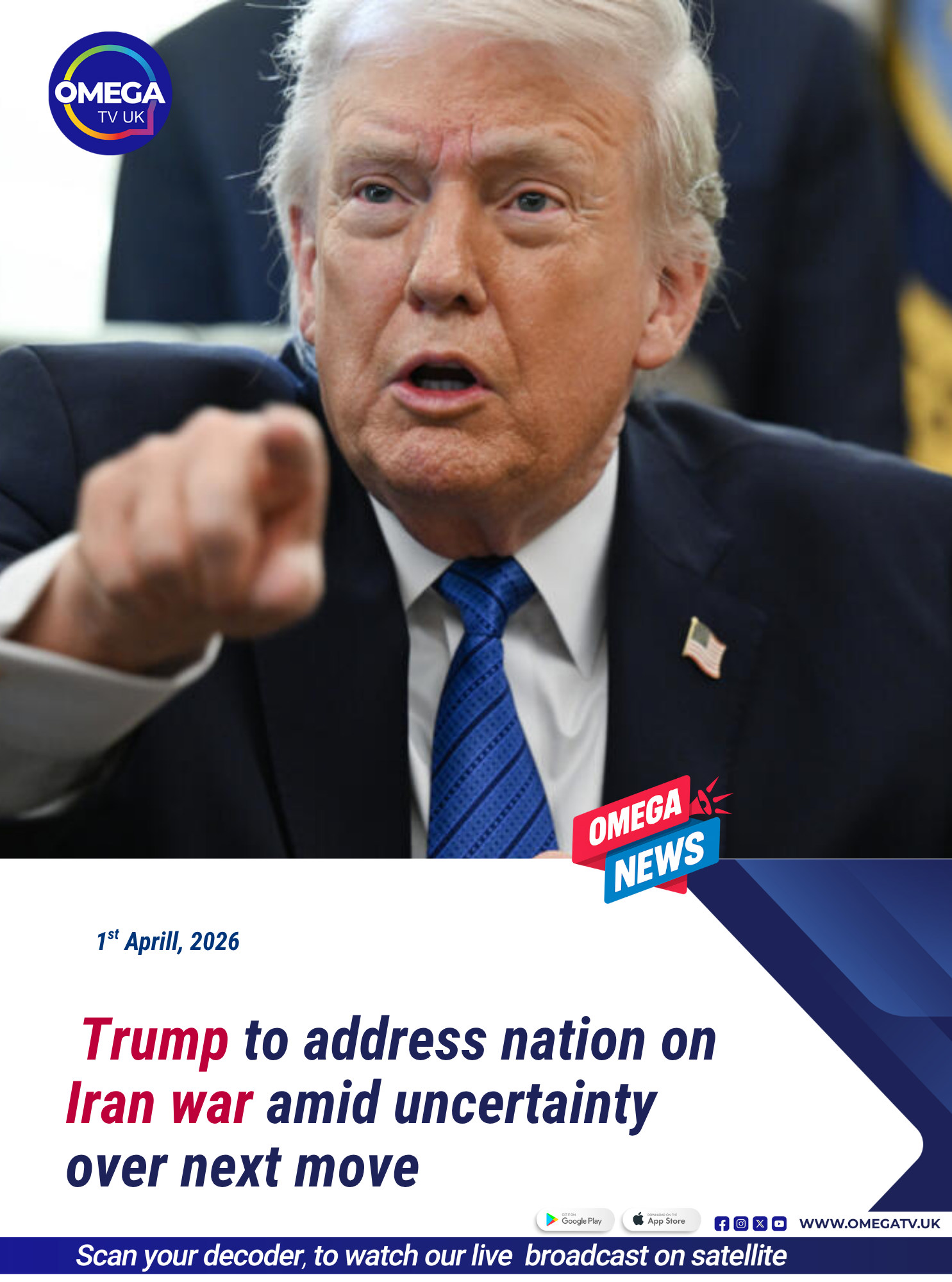
Across the world, millions are expected to tune in as former U.S. President Donald Trump delivers a primetime address on the ongoing war in Iran, a moment that has intensified speculation about the future direction of the conflict and the United States’ role in it.

The speech comes at a critical juncture, with the war showing no clear signs of resolution and questions mounting about whether Trump will signal de-escalation or a potential escalation of military action. While the administration has suggested that no major announcement is planned, the timing and urgency of the address have fueled expectations that it could provide insight into the next phase of the conflict.
Analysts note that uncertainty surrounding Trump’s intentions may be intentional. Known for keeping his strategy closely guarded, he often signals positions that later shift, leaving both allies and adversaries uncertain about his next move. This approach has become a defining feature of his leadership style, particularly in matters of foreign policy and military engagement.
The speech also arrives amid growing domestic pressure within the United States to bring the conflict to a close. Public opinion appears to be strongly against prolonged military involvement in Iran, especially if it involves the possibility of U.S. troops being deployed on Iranian soil. A recent Reuters poll indicated that roughly