Bozizé’s Defence Challenges Legality of Trial as Proceedings Continue in Central African Republic
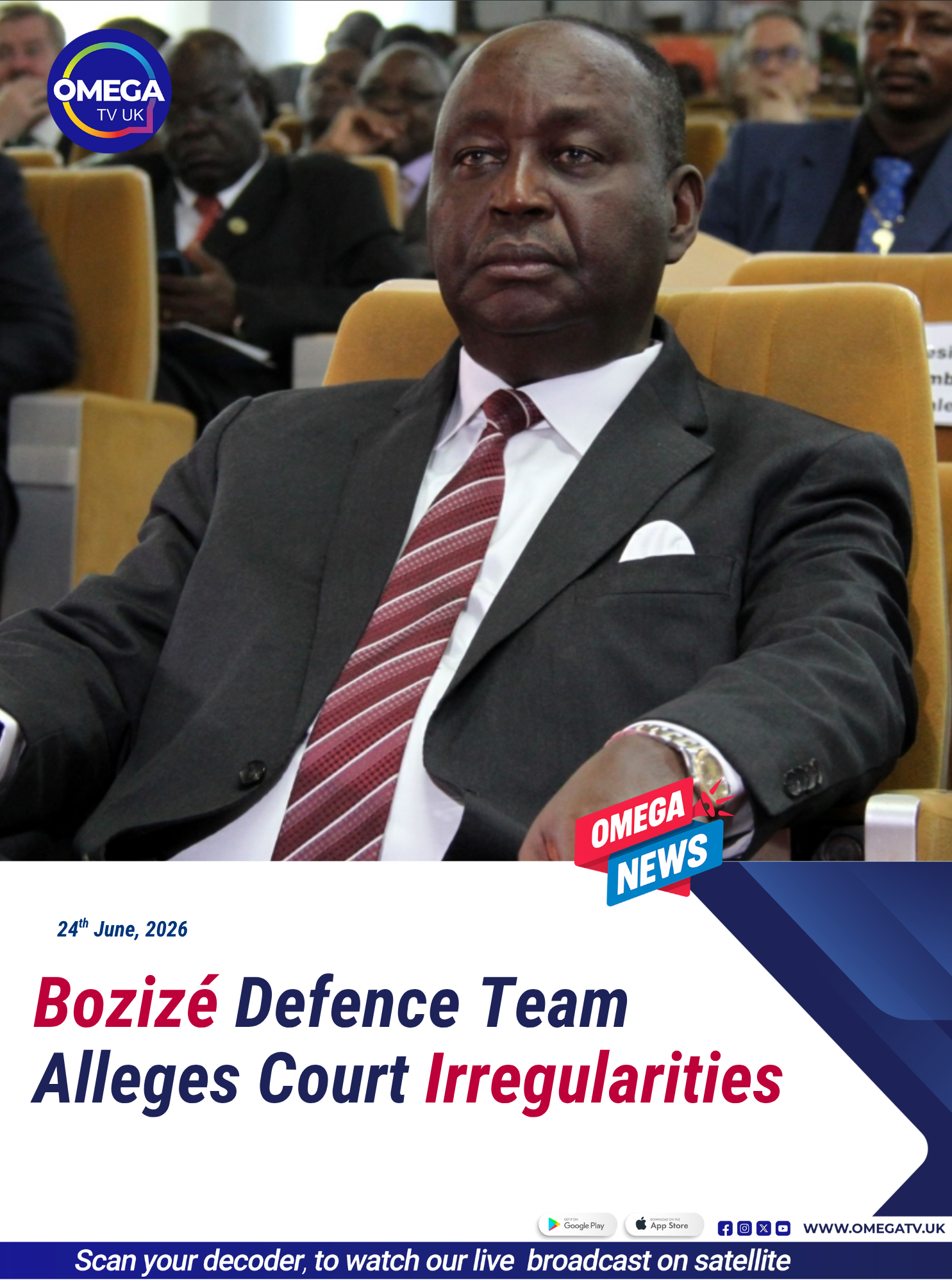
The legal team representing former Central African Republic President François Bozizé has raised strong objections to the ongoing criminal proceedings against him, arguing that key legal procedures were not followed before the trial commenced.

Bozizé, who governed the Central African Republic from 2003 until his removal from power in 2013, is facing multiple charges of crimes against humanity linked to alleged abuses committed during the final years of his administration. The case is being heard before the Special Criminal Court, a tribunal established with support from the United Nations to investigate and prosecute serious crimes committed during periods of conflict in the country.
The trial officially opened last week despite Bozizé’s absence from the courtroom. Currently living in exile in Guinea-Bissau, the former leader has not returned to the Central African Republic to face the charges. His defence lawyers contend that legal requirements necessary for a trial in absentia have not been satisfied, making the proceedings premature and potentially unlawful.
According to members of the defence team, national laws require certain government officials, including the ministers responsible for justice and foreign affairs, to be formally notified before a trial can proceed in the absence of the accused. They argue that these notifications were not properly carried out and that the court should postpone the proceedings until all procedural obligations have been met.
The lawyers maintain that respecting legal procedures is essential to ensuring a fair trial and protecting the rights of the accused. They have therefore requested a delay, insisting that the court should address the alleged administrative shortcomings before continuing with the case.
Judges overseeing the trial, however, rejected the request and ruled that there was sufficient legal basis to move forward. The court noted that Bozizé is already the subject of a public arrest warrant and has been made aware of the allegations against him. According to the judges, his decision not to appear before the court does not prevent the judicial process from continuing.
The Special Criminal Court was established to address some of the most serious crimes committed during years of political instability and armed conflict in the Central African Republic. The tribunal has the authority to prosecute cases involving war crimes, crimes against humanity, and other grave violations of human rights.
Bozizé is not the only individual facing charges in the case. Three former senior military officers who served during his administration are also standing trial. Prosecutors accuse the defendants of involvement in a range of serious offences, including murder, torture, and enforced disappearances.
The alleged crimes are said to have occurred between 2009 and 2013 in several locations, including the capital Bangui as well as the towns of Bossembélé and Bouar. Prosecutors claim that security forces operating under the former administration committed widespread abuses during efforts to suppress opposition and maintain control.
Human rights organizations have closely monitored the proceedings, viewing the case as an important test of accountability in a country that has endured decades of violence and political turmoil. Supporters of the trial argue that it offers victims and their families an opportunity to seek justice for alleged abuses committed during a turbulent period in the nation’s history.
The defence, meanwhile, continues to insist that legal safeguards must be respected regardless of the severity of the accusations. As the trial moves forward, the court will examine evidence and witness testimony to determine whether Bozizé and his co-defendants bear responsibility for the crimes alleged by prosecutors.
The proceedings are expected to attract significant attention both within the Central African Republic and internationally as the country continues efforts to strengthen the rule of law and address past human rights violations.