New policies intensify global abortion debate as activists warn of risks from reduced healthcare access
The United States’ renewed push to restrict abortion access overseas is increasing concerns among health advocates in Africa, where unsafe abortions remain a major cause of maternal illness and death.

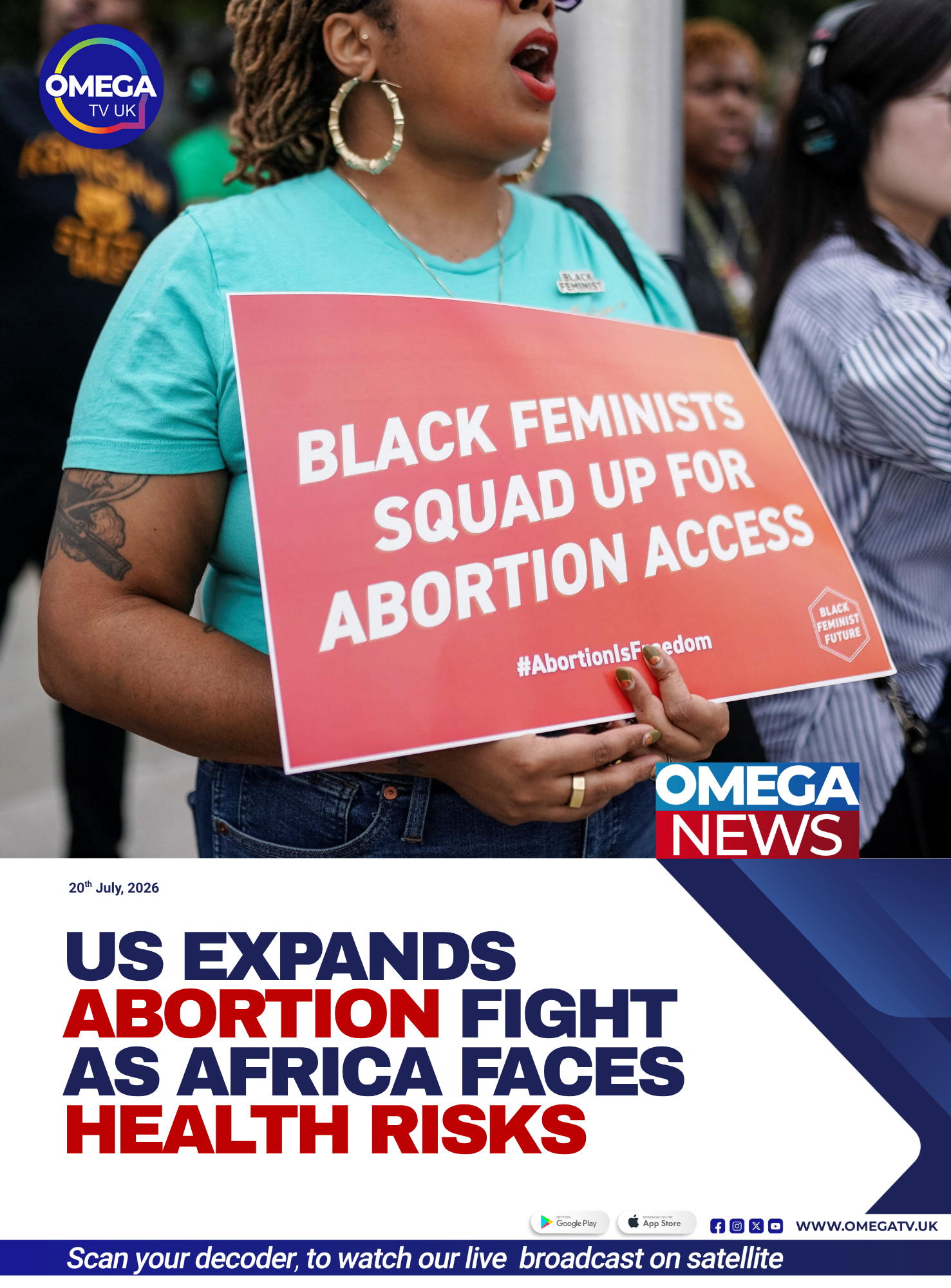
For decades, American anti-abortion organisations have campaigned against abortion both within the United States and internationally. Their efforts gained momentum after the reversal of Roe v. Wade, the landmark US Supreme Court decision that had protected abortion rights for decades.
Now, under the Trump administration, new restrictions on foreign aid are expanding the global debate over reproductive healthcare, with African countries among those most affected.
Health experts warn that reduced funding for organisations providing reproductive health services could increase medical risks for women, particularly in regions where healthcare systems already face major challenges.
Foreign aid restrictions spark international concerns
US Vice President JD Vance announced plans to block international organisations that provide or support abortion services from receiving American funding.
The move expands previous policies that limited US aid to overseas groups involved in abortion-related services.
Experts estimate that billions of dollars in international assistance could be affected, potentially influencing healthcare programmes around the world.
Africa remains especially vulnerable because many countries rely heavily on international funding to support healthcare services, including maternal health programmes.
The continent has some of the highest rates of unsafe abortions and maternal mortality globally, according to health organisations.
Growing influence of US anti-abortion groups in Africa
Research has shown that conservative US organisations have increased their involvement in Africa, funding campaigns that promote traditional family values and oppose abortion access.
An analysis of financial records from several US nonprofits found that spending on activities in Africa increased significantly between 2019 and 2024.
Experts say the growth reflects a wider international campaign by American groups seeking to influence reproductive rights policies abroad.
Claire Provost from the Institute for Journalism and Social Change said the scale of investment shows that US organisations are playing an increasingly visible role in debates around reproductive healthcare across Africa.
Rights activists on the continent have raised concerns that foreign-funded campaigns could affect women’s access to essential health services.
Kenya highlights challenges facing women
Kenya is one of the countries where abortion remains a highly debated issue.
The country’s constitution allows abortion in certain circumstances, including when a woman’s health or life is at risk. Court decisions have also expanded access in cases involving rape, incest and serious health concerns.
However, Kenya’s colonial-era penal code still criminalises some abortion-related actions, creating uncertainty for women and healthcare providers.
In rural communities, stigma and limited access to healthcare services continue to push some women toward unsafe procedures.
The death of Mary Olouch, a 25-year-old Kenyan woman who died after an unsafe abortion, has become a painful example of the dangers women face when safe healthcare options are unavailable.
Community health workers say her death encouraged more women in her village to openly discuss reproductive health and seek advice.
Debate continues over women’s health and policy decisions
Supporters of abortion restrictions argue that their policies protect family values and unborn children.
However, reproductive health advocates argue that limiting access to abortion services does not remove the need for such care but instead increases the dangers faced by vulnerable women.
As global debates over abortion continue, African health experts are calling for policies that prioritise women’s health, safety and access to medical support.
The issue remains one of the most contested public health debates worldwide, with millions of women affected by decisions made both within and outside their own countries.