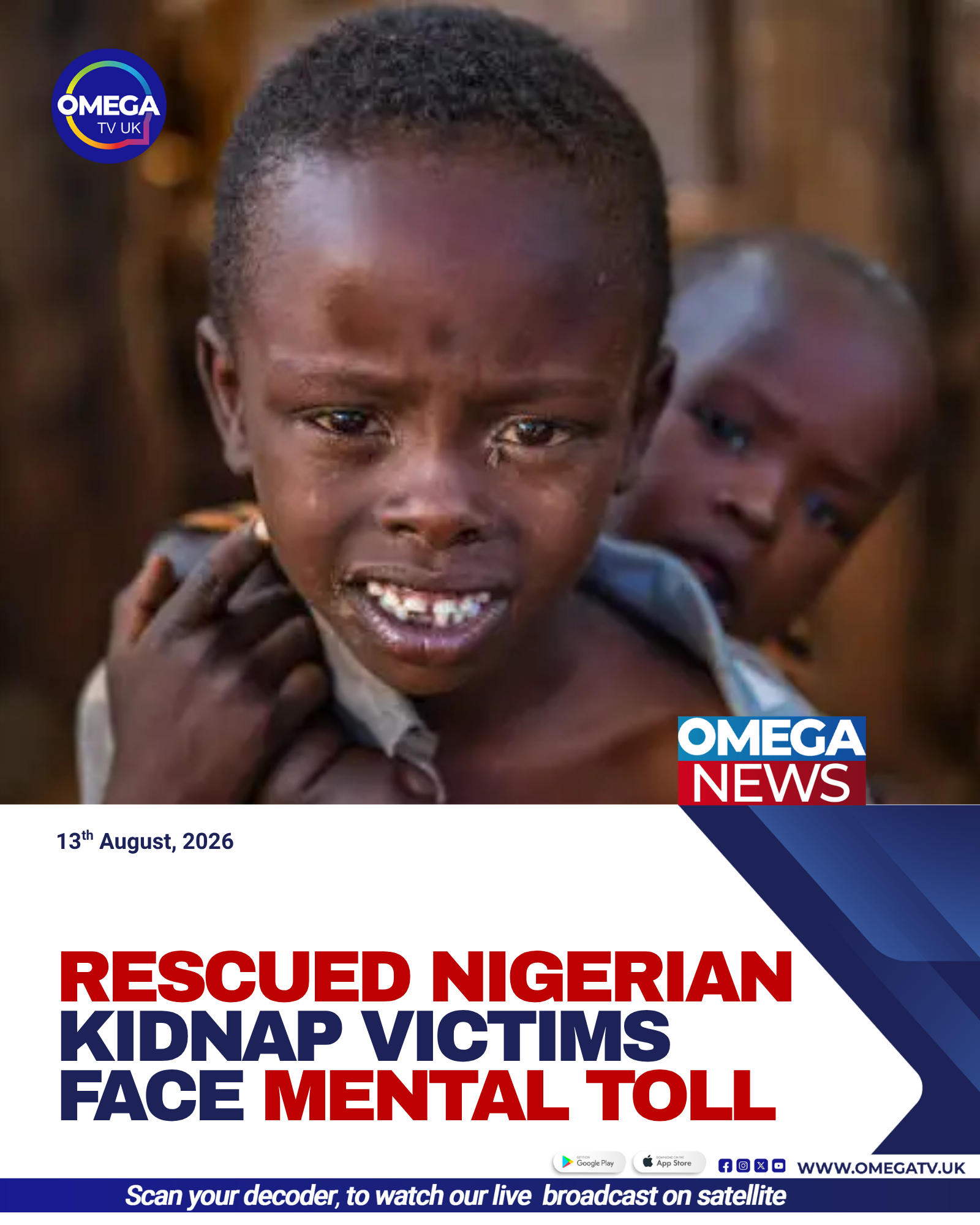
Hundreds of people rescued after months in captivity are receiving medical care in Nigeria, with doctors treating severe malnutrition, injuries and psychological trauma.

Survivors receive treatment
Among the 308 people rescued in what the Nigerian government described as its largest single-day rescue operation were 163 victims taken from the Kainji Lake National Park forest.
Many are now being treated at the Kwara State University Teaching Hospital in Ilorin after spending months in captivity.
Months of harsh conditions
The victims were reportedly held for about six months after suspected jihadists attacked the village of Woro near Nigeria’s border with Benin.
Doctors say many survivors arrived in poor physical condition, suffering from severe malnutrition and skin diseases. Some also had fractures and other medical problems.
Children among those rescued
Children are among those receiving treatment, with some requiring intensive medical care.
Medical staff said several victims still needed blood transfusions, while doctors were working to stabilise those in the most serious condition.
Births in captivity
Doctors also said some women gave birth while being held in the forest, without access to proper medical facilities.
The hospital’s chief medical director, Dr Ahmed Bola Abdulkadir, said some babies were born only days before their mothers were rescued.
Psychological trauma
Beyond their physical injuries, survivors are also dealing with the psychological impact of their captivity.
Medical teams have brought in psychiatrists to help those struggling with the effects of months of violence, fear and deprivation.
One survivor, Hajara, described the experience as something she would not wish on anyone.
Nigeria’s kidnapping crisis
Kidnapping for ransom remains a major security challenge in Nigeria, with criminal groups operating across parts of the north and central regions.
Jihadist groups have also expanded their activities beyond the north-east, while armed bandit groups continue to carry out attacks and abductions in the north-west.
Long road to recovery
Although the victims are now free, medical workers say recovery will take time.
The priority is to restore their physical health while providing psychological support to help survivors and their families begin rebuilding their lives after months in captivity.