MI5 Warns of Rising Threats From Russia, Iran and AI
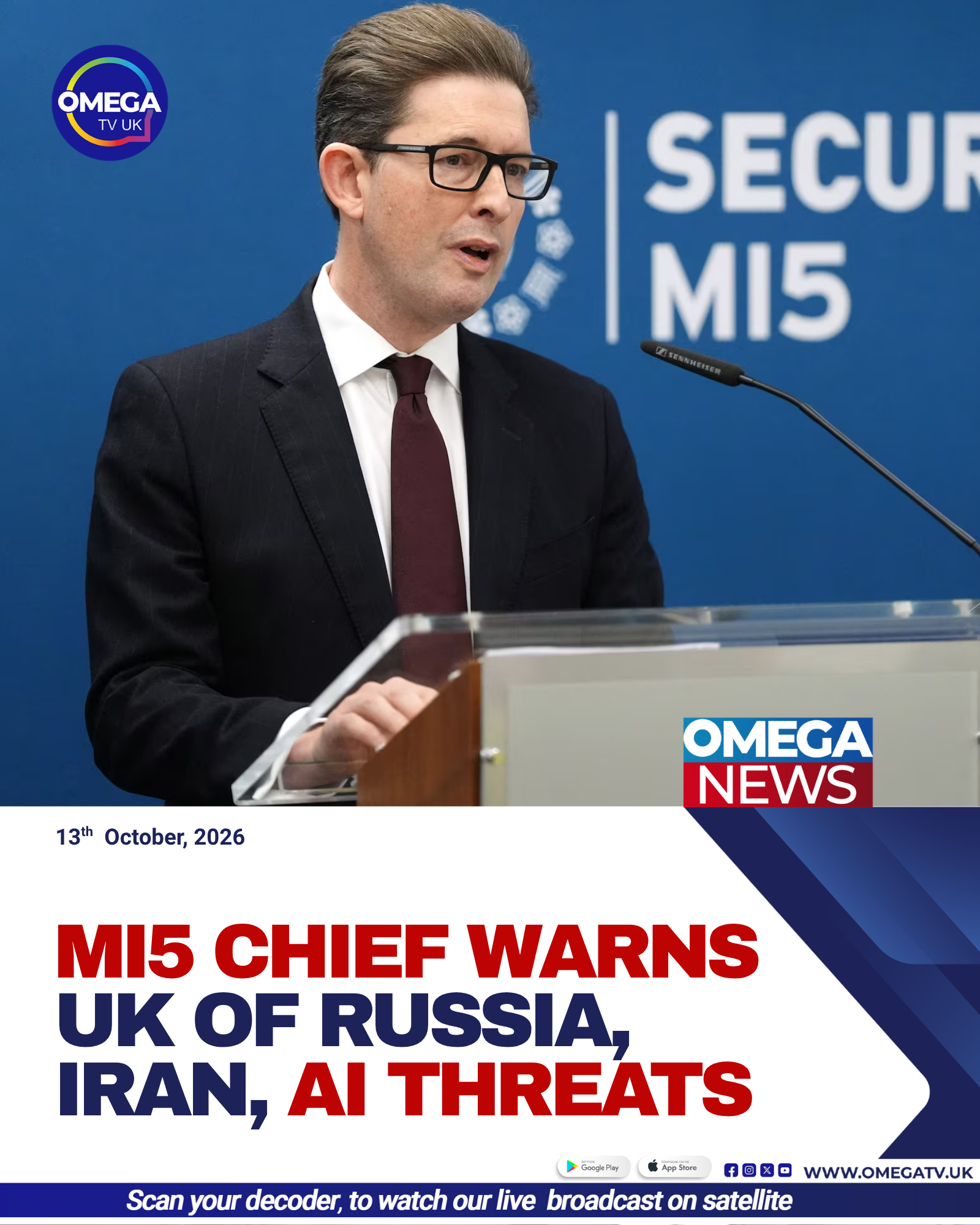
MI5 chief Sir Ken McCallum has warned that threats to the UK from Russia, Iran and terrorism are intensifying, while artificial intelligence is creating new challenges for national security.

Foreign Threats Quadruple
McCallum said threats from foreign adversaries had quadrupled over the past decade, with MI5 now devoting more resources to countering state threats than during the Cold War. He described Russia as the leading aggressor, accusing Moscow of using hybrid warfare, including cyberattacks, sabotage and disinformation, to destabilise European countries.
Russia Relies on Criminal Proxies
The intelligence chief said the expulsion of nearly 1,000 Russian officials and suspected spies since Russia’s full-scale invasion of Ukraine had weakened the Kremlin’s traditional covert operations in the UK. He said Russia was increasingly turning to criminals to carry out attempted attacks, while its military campaign in Ukraine continued at a high cost.
McCallum also addressed claims of Russian interference in the 2016 Brexit referendum, saying attempts to influence the debate through online trolls, bot farms and Russian media were already publicly documented. However, he distinguished attempts at interference from evidence that they had changed the referendum result.
Iran-Linked Activities Under Investigation
McCallum said 50 arrests had been made over Iran-linked activities during the past year. He said the alleged aggression had targeted Jewish communities as well as military installations.
He also referred to security concerns beyond RAF Fairford in Gloucestershire, where seven people had reportedly been arrested and released on bail following an incident involving three suspicious vans. Andy Burnham said the incident was almost certainly directed by Iran’s Islamic Revolutionary Guard, while McCallum stressed that such incidents were not isolated.
AI Creates New Security Risks
The MI5 chief warned that artificial intelligence was accelerating the contest between cyber attackers and security agencies. He said investigators had encountered terrorists seeking to use AI to improve reconnaissance and attack methods, including through AI-enabled drones.
He also warned that extremist groups could use the technology to produce personalised propaganda and radicalising material. The potential use of AI to develop or deploy biological weapons was another concern, although McCallum said that threat had not yet materialised.
New AI Threat Assessment Centre
MI5 has launched an AI Threat Assessment Centre to evaluate emerging risks and distinguish realistic threats from exaggerated claims. The agency is working with GCHQ, MI6 and the UK’s AI Security Institute to strengthen the country’s response to AI-related security challenges.
McCallum said the technology could introduce unprecedented risks because human history offered little experience of dealing with an actor more intelligent than humans.
Extremist Terrorism Remains a Concern
McCallum also warned of growing threats from Islamist and extreme right-wing terrorism. He said Al Qaeda and the so-called Islamic State continued to inspire or direct attacks, while extreme right-wing cases increasingly involved anti-immigration and anti-Muslim grievances developing into terrorist intent.
He added that online radicalisation was contributing to the problem, particularly among young people. McCallum revealed that MI5 had recently investigated a radicalised 13-year-old in the UK, with information from the investigation helping an international partner prevent a potentially lethal attack.
The UK raised its terrorism threat level to severe in April, meaning an attack was considered highly likely. McCallum said the National Security Act, introduced in 2023 to address threats from foreign states, was also being used against activities linked to Russia, Iran and China.