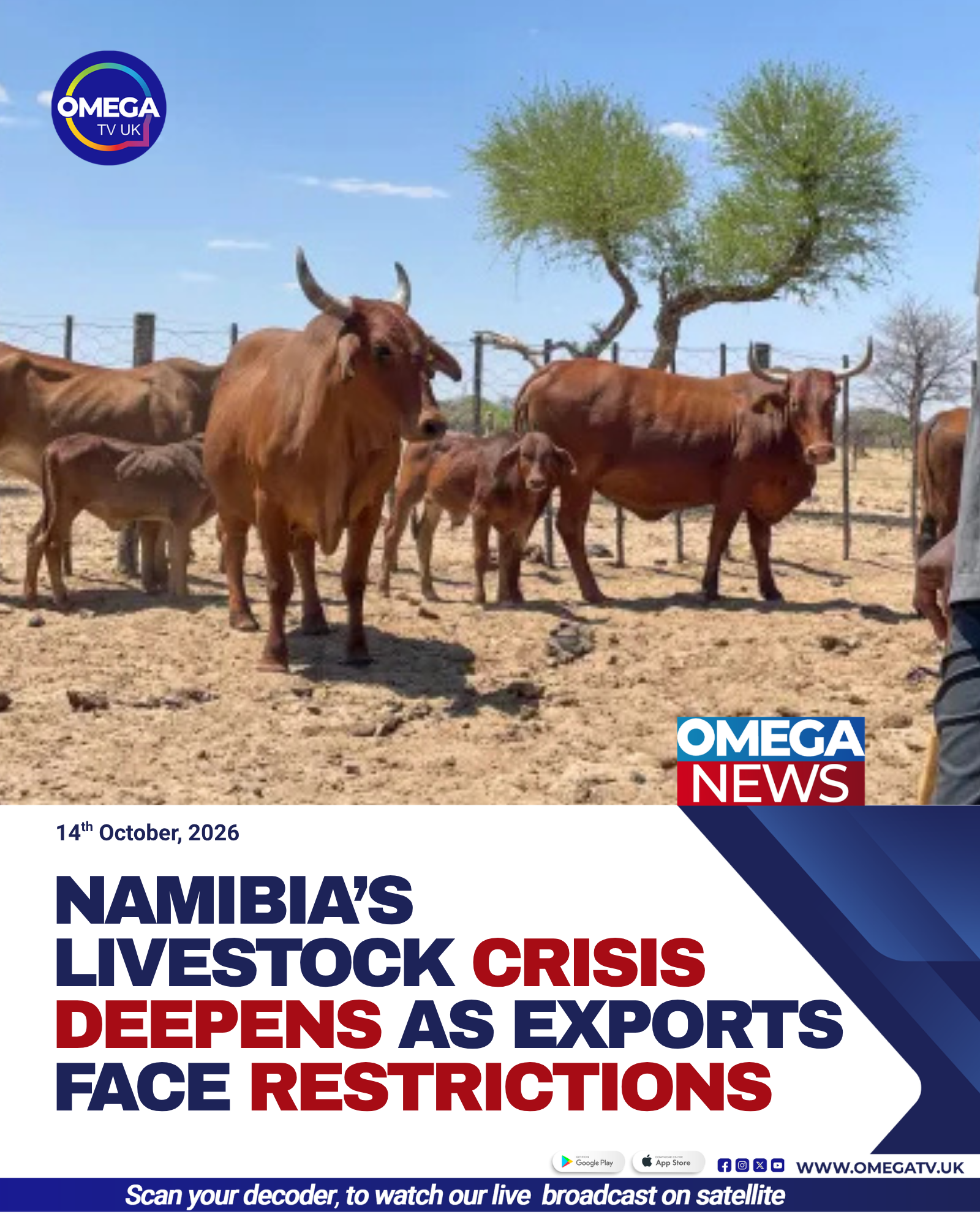
Namibia’s foot-and-mouth disease (FMD) threatens local meat supplies, creating tension among farmers, vendors, and processors, as well as jeopardizing potential export markets. The disease, which has already been confirmed in two regions of the country, has caused the closure of some international export markets for livestock, as well as restricted the movement of animals within the country.

At Single Quarter, Windhoek’s largest open-air meat market, vendors are complaining of lower supplies and higher prices.
“We had to close the market for a few days. It was right before the weekend and the end of the month. We need the money,” said Francisco, a market vendor.
Another vendor added that the high prices were hurting their profits since the disruption was affecting their sales.
According to the Directorate of Veterinary Services, the first case of foot-and-mouth disease in Namibia was detected at a commercial farm in the Karasburg State Veterinary District in the southern //Kharas Region on 23 September 2026.
President Netumbo Nandi-Ndaitwah stated that surveillance teams had identified 127 positive cases in 15 farms as of 5 October.
However, the agriculture ministry reported that as of 6 October, there had been 129 positive samples and 17 infected farms.
The second outbreak of FMD was detected on 7 October, when tests on 12 cattle samples from Kalala Island in Kabbe constituency of the northern Zambezi Region were all found to be positive.
Movement of cloven-hoofed animals and their products has been restricted throughout the Zambezi Region, with bans also being imposed on livestock auctions, informal markets, and other gatherings of animals.
Furthermore, the government has implemented emergency vaccination programs as well as roadblocks to monitor and restrict movement. Measures to control the epidemic have also affected international trade, with the EU restricting imports of certain fresh and processed meat products from Namibia’s approved export zones as of 5 October.
The EU’s trade restrictions do not constitute a total embargo on Namibian meat. The ban does not apply to certain processed meats that have been inspected and approved to lower the risk of disease transmission.
Furthermore, livestock shipments that arrived in the EU before 23 September 2026 may continue to be exported for a period of 90 days, provided they meet the required regulations. It is still unknown how the EU restrictions, as well as other restrictions in other countries, would affect Namibia’s export market.
“A restriction like this, although it is for the better reasons, has economic implications. When markets close, those who are producing livestock in Namibia feel the implications,” said Marianne Pretorius, spokesperson for the Namibia Agricultural Union, in an interview with Al Jazeera.
The disruptions to trade caused by the restrictions were also felt in the meat processing sector.
According to the Namibian newspaper, Meat Corporation of Namibia’s workers had been placed on special leave, starting with about 400 employees who were given three weeks’ unpaid vacation, with the option to return to work after 23 October.
The company had also paid farmers N$31 million for animals slaughtered for meat at its Windhoek abattoir between 29 August and 11 September.
Meanwhile, ordinary Namibians are suffering from both the scarcity of meat and the rising prices, as some shoppers have begun stockpiling. According to the article, a local supermarket manager in Windhoek said customers were buying more meat than usual because they were concerned about future shortages.
In addition to the tightening of measures, including the installation of veterinary fencing in the //Kharas Region along the Orange River, Namibia is taking steps to contain the epidemic. “The biggest concern for farmers is that it will impact not only those people whose animals are infected, but also those who are not yet infected. It’s essential that we get things back to normal as soon as possible,” said Gert Engelbrecht, a farmer from Aranos.
Veterinary officials are now working to trace down livestock movements in an effort to control the spread of the disease.
Meanwhile, surveillance operations have been stepped up to detect any further outbreaks.