Covid Inquiry Finds Care Home Failures
Inquiry Condemns Government Response

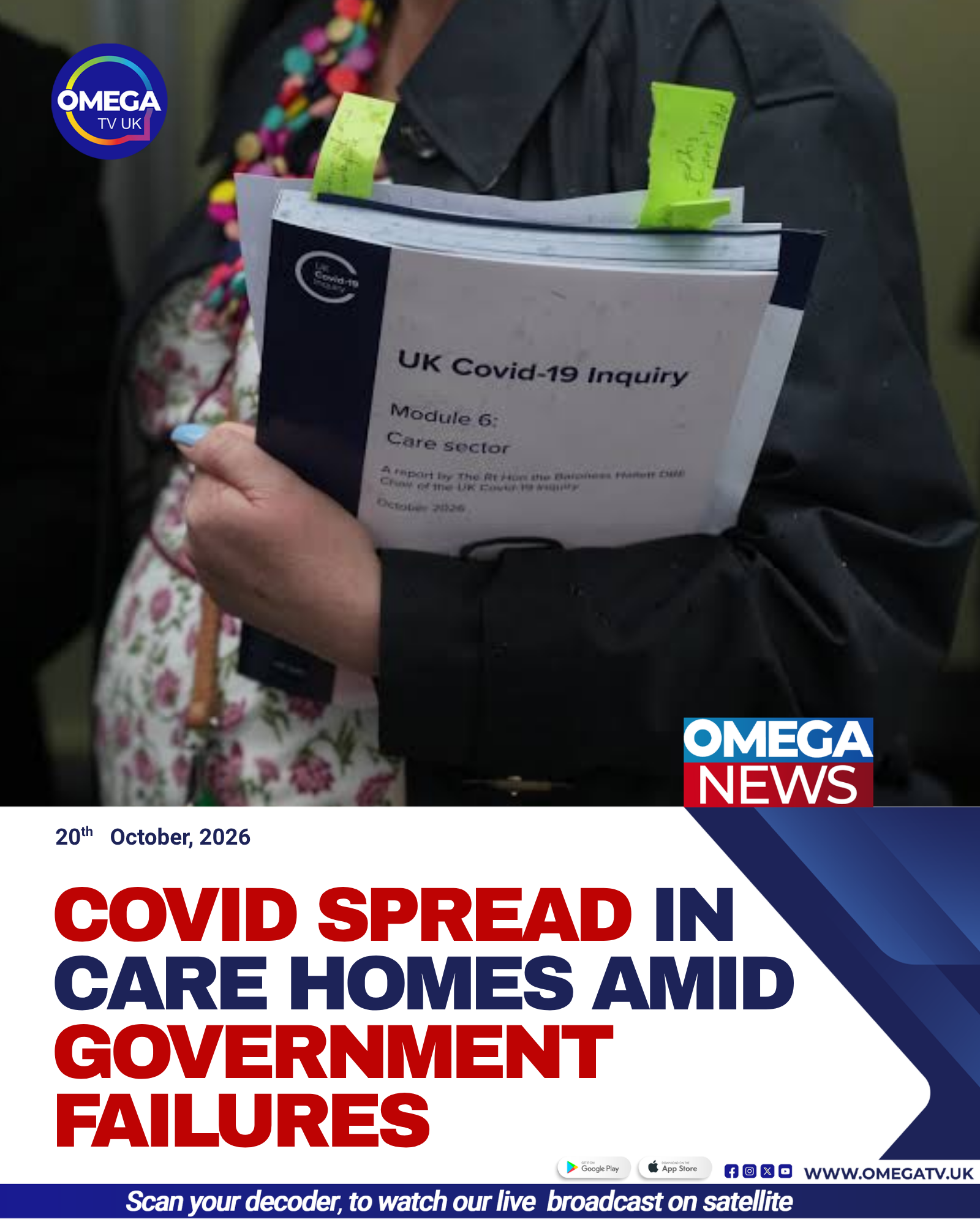
The UK Covid-19 Inquiry has found that government failures created conditions in which the virus spread rapidly through care homes during the pandemic, causing widespread illness and deaths among vulnerable residents. The report on adult social care said ministers’ claims that a “protective ring” had been placed around care homes were unfounded.
Baroness Heather Hallett, who chairs the inquiry, said the pandemic had “totally disrupted” the lives of care home residents and had a devastating impact on the sector. More than 43,000 deaths involving Covid were recorded in care homes between March 2020 and July 2022.
Hospital Discharges Increased Risks
The report highlighted decisions to transfer patients from hospitals into care homes during the early stages of the pandemic without adequate guidance on isolating new arrivals. This created opportunities for the virus to enter facilities housing older people and others at heightened risk.
Care homes faced the challenge of protecting residents while receiving people discharged from hospitals, at a time when clear infection-control guidance was lacking. The inquiry’s findings raise questions about whether sufficient precautions were taken before these transfers occurred.
Care Workers Faced PPE Shortages
The inquiry also documented severe difficulties in obtaining personal protective equipment, known as PPE, during the pandemic’s early stages.
Some care workers were forced to improvise because suitable protective supplies were unavailable. Reports described staff using festival waterproof ponchos, painters’ overalls and bin bags as makeshift protective clothing.
These shortages left workers struggling to protect themselves and residents while continuing to provide essential care. The findings highlight the pressures faced by a sector that depended on frontline staff to maintain services during a rapidly developing public health emergency.
Government Knew Sector Was Vulnerable
According to the report, the government at the time knew the adult social care sector was “extremely vulnerable” but failed to take adequate action before the crisis intensified.
Families who lost relatives during the pandemic have criticised the response, arguing that earlier intervention could have better protected residents. The inquiry’s findings add to concerns about whether care homes received sufficient planning, resources and support compared with other parts of the health system.
The report examines how decisions made during the early stages of the outbreak affected care providers and their ability to respond to the spread of infection.
More Than 43,000 Deaths Recorded
The scale of deaths involving Covid in care homes underlines the impact of the pandemic on residents, families and staff. Many facilities had to manage infection risks while maintaining daily care for people who often required close contact and assistance.
The inquiry said the pandemic fundamentally disrupted care home life. Its findings are intended to establish what went wrong and identify lessons for the handling of future public health emergencies.
Government Promises Action Plan
Prime Minister Andy Burnham has pledged to use the inquiry’s findings to develop an action plan for a future pandemic. The commitment comes as the report places renewed focus on preparedness across adult social care.
Any future response will need to address the challenges identified by the inquiry, including safe hospital discharges, clear infection-control guidance, access to protective equipment and support for care workers.
The findings also raise broader questions about how governments should protect vulnerable people when health emergencies place pressure on hospitals and social care services.
Lessons for Future Pandemics
The inquiry’s conclusions underline the importance of treating adult social care as a central part of emergency planning rather than a separate service. Care homes require timely guidance, adequate supplies and coordinated decisions between hospitals, government agencies and care providers.
For families who lost loved ones, the report offers an account of failures during a period of profound disruption. The government’s promised action plan will be closely watched as officials consider how to prevent similar problems in future emergencies.