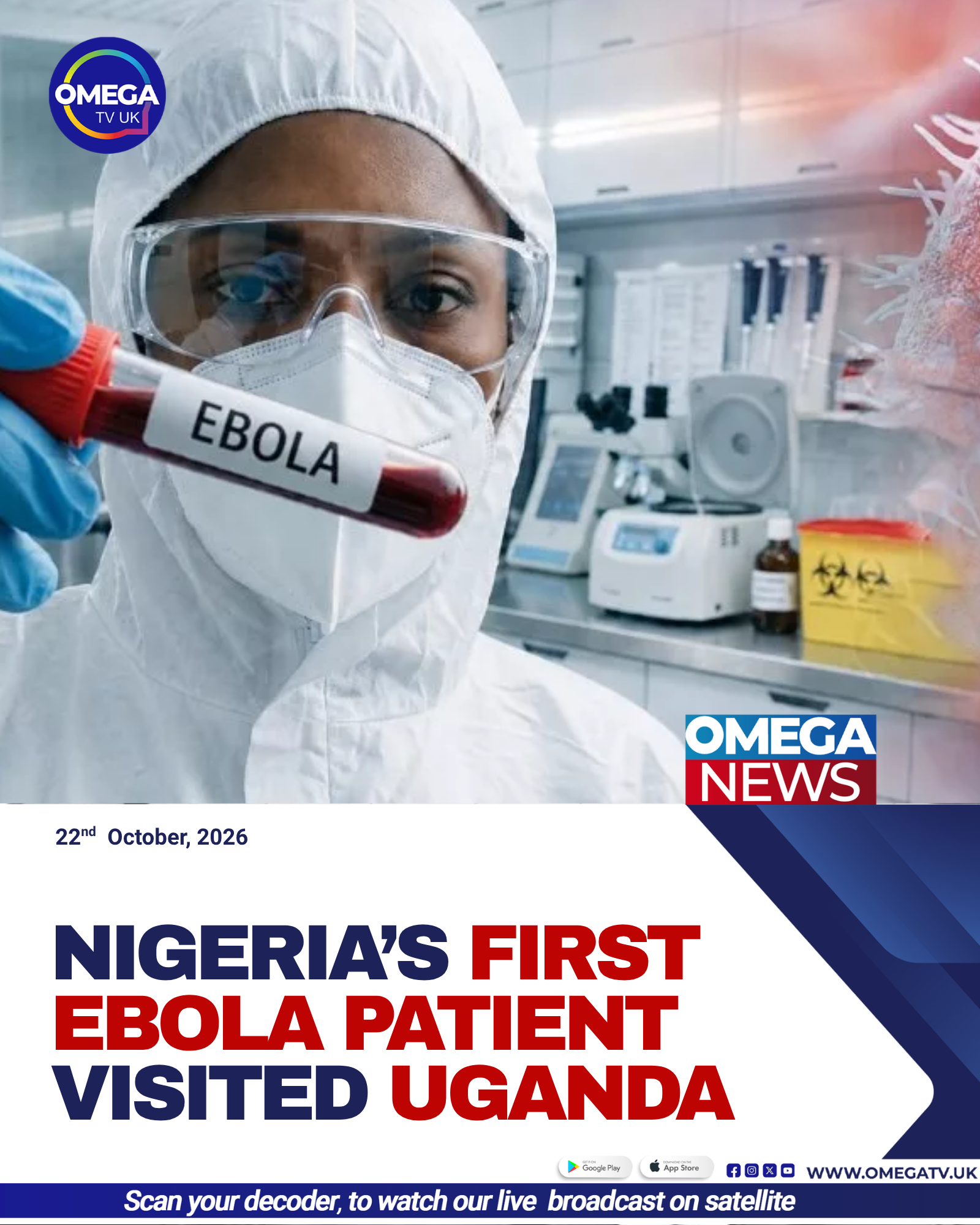
Nigeria Confirms Ebola Case After Uganda Trip
Nigeria has confirmed its first Ebola case in more than a decade after a 42-year-old woman fell ill following a holiday in Uganda. Health authorities are monitoring dozens of people who came into contact with the patient as they work to prevent the virus from spreading.

Patient Recently Returned From Uganda
The woman, who is originally from Uganda and lives in Nigeria’s capital, Abuja, is the wife of a diplomat. She spent approximately two and a half weeks in Kampala before returning to Nigeria on 3 October, according to Dr Jean Kaseya, head of the Africa Centres for Disease Control and Prevention.
Nigeria’s Health Minister, Muhammad Ali Pate, confirmed that she also made a two-hour stopover in Ethiopia’s capital during her return journey.
The woman developed symptoms three days after arriving in Abuja. She tested positive for Ebola on Tuesday, with the minister reporting that her condition was stable and improving.
“She’s stable, she’s improving,” Pate told the BBC.
Dozens of Contacts Identified
Nigerian authorities have identified 44 people who came into contact with the patient and placed them in isolation. Officials said none of the identified contacts had developed symptoms at the time of the report, including the person who travelled with her.
Aviation Minister Festus Keyamo separately said 46 people had been prevented from boarding flights. They included 44 people who had come into contact with the woman at hospital and two people who worked at her home.
Nigeria has also strengthened health surveillance at international airports, introducing measures including temperature checks, health screenings, traveller monitoring and digital health declarations.
Neighbouring Cameroon has increased surveillance at its airports and ports amid concerns about the potential spread of the virus.
Symptoms Initially Mistaken for Malaria
Kaseya said the woman first experienced symptoms on 6 October and initially sought treatment at a private hospital, believing she had malaria. She later visited another private hospital and was admitted on 11 October.
Public health authorities were alerted on Monday, 19 October, after her condition failed to improve. Her Ebola diagnosis was confirmed the following day after three laboratory tests, according to Pate.
Malaria is common in Nigeria, and its symptoms can resemble those of Ebola. Both illnesses may cause fever, headaches, muscle aches and gastrointestinal symptoms, making early identification particularly important.
Authorities Identify Virus Strain
The patient was diagnosed with the Bundibugyo strain of Ebola, the same species associated with an outbreak in the Democratic Republic of Congo.
According to figures cited in the report from the European Centre for Disease Prevention and Control, the wider outbreak had recorded thousands of cases and deaths.
The incubation period for Ebola ranges from two to 21 days, meaning people exposed to the virus may not develop symptoms immediately. Health authorities therefore need to monitor contacts over time.
Ebola spreads through direct contact with the bodily fluids of an infected person, including blood and vomit. Severe illness can involve vomiting, diarrhoea and organ failure, while some patients experience internal or external bleeding.
There is no approved vaccine or specific treatment for the Bundibugyo strain, although trials are under way.
Nigeria Seeks to Prevent Wider Outbreak
The latest case has prompted renewed attention to Nigeria’s ability to contain Ebola. Uganda, which reported cases during the wider outbreak, declared itself free of the disease in August after its final patient was discharged.
Nigeria previously contained an Ebola outbreak in 2014, when 20 confirmed cases and eight deaths were recorded.
Pate expressed confidence that the country could respond effectively, pointing to improvements in disease surveillance, laboratory capacity and the training of thousands of epidemiologists.
“Nigeria has muscle memory that has been activated,” he said, while cautioning that the current outbreak requires vigilance and a response tailored to the circumstances.
Authorities continue to monitor the patient’s contacts and strengthen screening measures as they seek to prevent further infections.