Africa’s richest businessman, Aliko Dangote says his massive refinery project will prioritise supplying fuel to Nigeria before exporting to other countries, a move expected to ease the nation’s long-standing fuel shortages.

Speaking about the operations of the Dangote Petroleum Refinery, Dangote said the facility’s main goal is to stabilise fuel supply within Nigeria and reduce the country’s dependence on imported petroleum products.
For decades, Nigeria despite being one of Africa’s largest oil producers has relied heavily on imported refined fuel due to limited local refining capacity. This situation has frequently resulted in supply disruptions, rising fuel prices and pressure on government finances.
Dangote explained that prioritising domestic supply would help address these challenges by ensuring that Nigerian consumers and businesses have consistent access to petrol, diesel and aviation fuel.
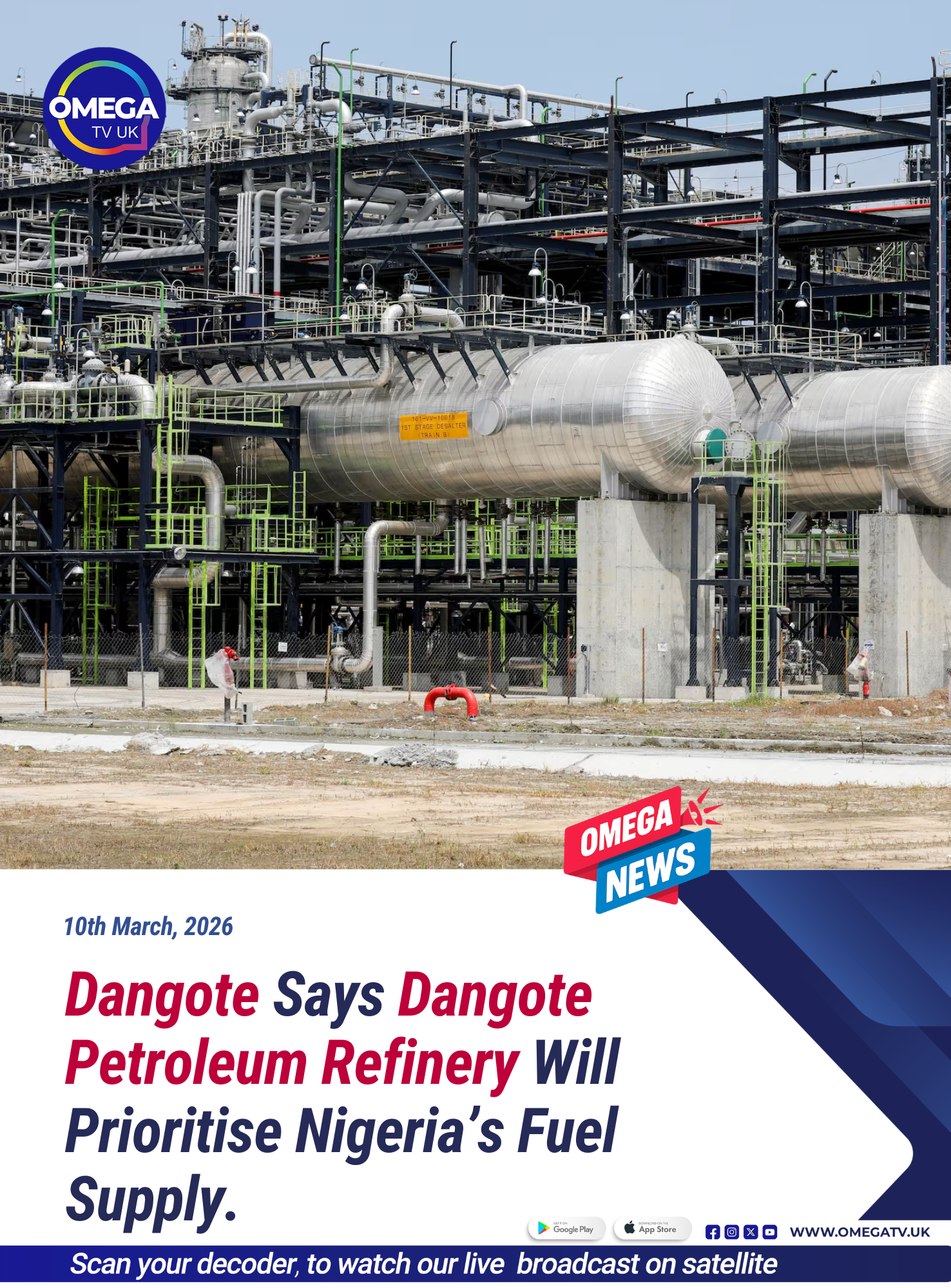
The refinery, located in Lekki Free Trade Zone, is considered the largest single-train refinery in the world, with a refining capacity of about 650,000 barrels of crude oil per day. Once fully operational, it is expected to significantly transform Nigeria’s energy sector and reduce the need for fuel imports.
Dangote also emphasised that stabilising Nigeria’s fuel market would have wider economic benefits. Reliable fuel supply can support transportation, manufacturing and power generation, all of which are critical to economic growth.
Industry analysts say the refinery could potentially make Nigeria a net exporter of refined petroleum products in the future. However, Dangote noted that meeting domestic demand will remain the top priority before expanding exports to other African markets.
The development comes at a time when many African countries are seeking to strengthen energy security and reduce reliance on imported refined fuel. By boosting local refining capacity, the Dangote refinery is expected to play a key role in reshaping the continent’s oil and gas landscape.
As operations scale up, expectations remain high that the project will bring stability to Nigeria’s fuel market while creating jobs and supporting economic development across the region.