Iranians rally in tribute to slain leader weeks after killing

Thousands of people across Iran have taken to the streets to honour former supreme leader Ali Khamenei, weeks after his assassination during a conflict involving the United States and Israel.
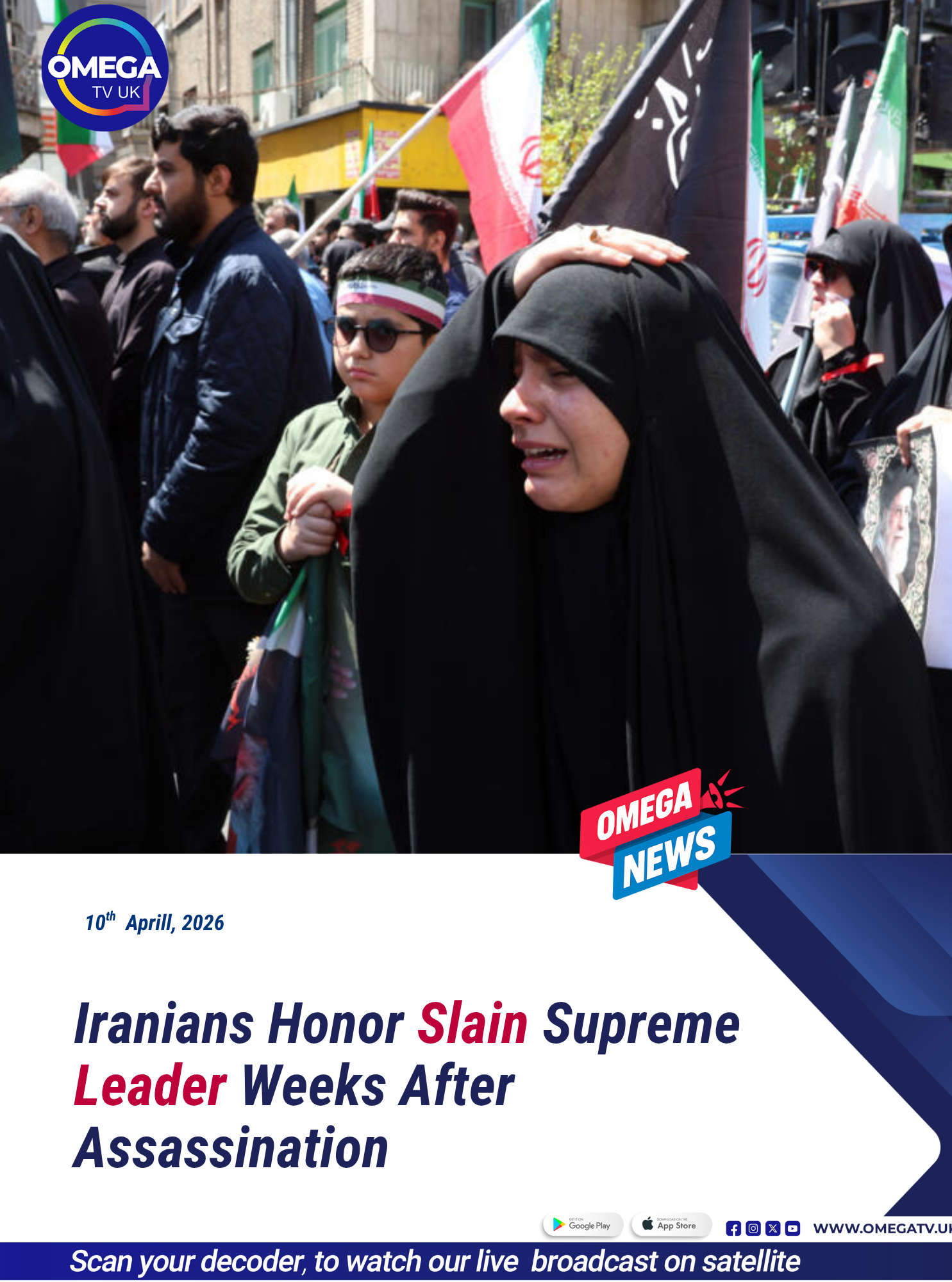
The nationwide tributes marked the end of the traditional 40-day mourning period observed in Islamic culture, with large gatherings held in major cities including Tehran, Urmia, and Gorgan.
Supporters carried portraits of Khamenei and waved Iranian flags, expressing grief and anger over his death. Many demonstrators also voiced criticism of ongoing diplomatic efforts, including talks expected to take place in Pakistan.
Khamenei, who led Iran for more than three decades, was killed on February 28 in strikes that targeted his residence in Tehran. The attack also reportedly killed dozens of senior officials and military figures.
Speaking at the rallies, mourners described the assassination as a major provocation. One participant said the killing crossed a “red line,” reflecting widespread sentiment among supporters.
Iranian President Masoud Pezeshkian attended the commemorations and was seen interacting with members of the public, according to state media.
The tributes began at 9:40am local time—the exact moment the strikes occurred—adding symbolic weight to the memorial events.
Meanwhile, attention has turned to Khamenei’s successor, Mojtaba Khamenei, who assumed leadership in early March. He was reportedly injured during the same attack and has not appeared publicly since, raising questions about his condition and leadership.
The gatherings come amid a fragile ceasefire in the region, following days of intense conflict. While the violence has temporarily subsided, tensions remain high, with uncertainty surrounding future diplomatic negotiations.
Analysts say the public displays of mourning also serve as a show of unity and defiance, as Iran navigates a sensitive political transition and ongoing regional tensions.
With emotions still raw and geopolitical stakes high, the situation remains fluid, and developments in the coming weeks could shape the future of the region.