World Cup 2026 Creates Billion-Dollar Winners and Losers Beyond the Pitch
FIFA, sponsors and betting companies profit while fans and some host cities face financial challenges
The 2026 World Cup has become the biggest tournament in football history, with more teams, more matches and more global attention than any previous edition.

As football’s biggest stars compete for glory on the pitch, billions of dollars are being generated away from the action. However, while some organisations and businesses are enjoying huge financial gains, others — including many fans and some host cities — are facing rising costs and disappointing returns.
FIFA Emerges as the Biggest Financial Winner
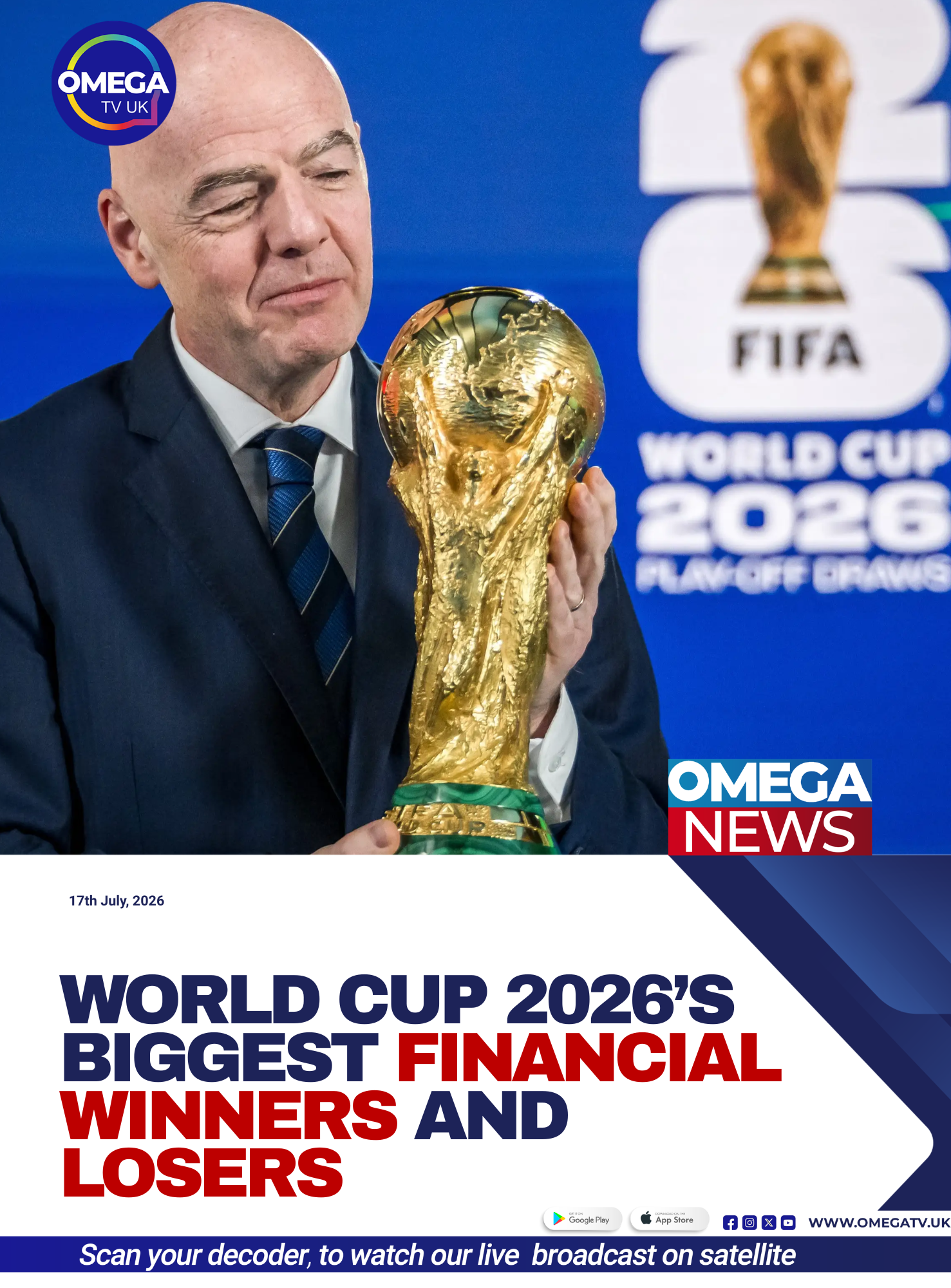
Football’s global governing body, FIFA, stands out as one of the biggest beneficiaries of the expanded tournament.
The organisation generated a record $7.6 billion (£5.6 billion) from the 2022 World Cup in Qatar and is expected to surpass that figure from the 2026 tournament, which features 48 teams for the first time.
According to Deutsche Bank Research strategist Marion Laboure, FIFA is “without question” the main financial winner, with its revenue across the four-year World Cup cycle expected to approach $13 billion.
FIFA’s income comes from broadcasting rights, sponsorship deals, licensing agreements, hospitality packages and ticket sales. The organisation has also expanded into the ticket resale market, collecting a 15% fee from both buyers and sellers.
With discussions about potentially expanding future tournaments to 64 teams, including possible participation from countries such as China and India, FIFA could see even greater financial growth.
Fans Face Rising Costs
While supporters have enjoyed memorable football moments, many fans have faced significant financial pressure.
Ticket prices have become one of the biggest talking points of the tournament, with FIFA’s dynamic pricing system increasing costs as demand rises.
Tickets for the World Cup final at MetLife Stadium were officially listed at prices reaching $32,970, while some resale tickets were advertised for more than $2 million.
Beyond ticket costs, fans have also dealt with expensive flights, accommodation and transport.
In New Jersey, train fares to MetLife Stadium increased dramatically during the tournament, rising from a normal return price of $12.90 to as much as $150 before public backlash forced reductions.
Broadcasters and Sponsors Cash In
Television networks and sponsors are among the major winners of the tournament.
Although broadcasters pay huge sums for rights, the global audience allows them to generate significant advertising revenue.
Fox Sports reportedly paid $485 million for US broadcasting rights, with companies paying hundreds of thousands of dollars for short advertising slots during matches.
New features such as sponsored hydration breaks have created additional advertising opportunities.
Major sponsors including Adidas and Coca-Cola have also benefited from global exposure, using the tournament to promote their brands.
David Beckham Wins Commercially
Former England captain David Beckham continues to benefit from football’s commercial power.
Despite retiring from professional football more than a decade ago, Beckham remains one of the sport’s biggest marketing figures.
His business interests, including ownership of Inter Miami, have helped strengthen his influence in American football, with the club valued at around $1.45 billion.
Host Cities See Mixed Results
The 16 World Cup host cities across the United States, Canada and Mexico have welcomed millions of visitors, boosting hotels, restaurants and local businesses.
However, experts argue that the long-term economic benefits of hosting major sporting events are often exaggerated.
Oxford University expert Alexander Budzier said tournaments may create temporary jobs but do not necessarily create lasting wealth.
He argued that the biggest benefits usually come from long-term infrastructure projects, which are limited for this World Cup because many existing stadiums and facilities are being used.
Merchandise Sellers and Betting Companies Benefit
Football merchandise businesses have experienced a major boost, with Nike reporting national team shirt sales more than double those of the 2022 World Cup.
England’s kit has reportedly been among the best-selling, while Mexico, France and Brazil shirts have also performed strongly.
Betting companies are another major winner, with analysts estimating that around $50 billion could be wagered during the tournament.
The expanded format, featuring more than 100 matches, has created even more opportunities for sports betting companies.
However, the growth of gambling has also raised concerns about increased betting participation, especially among younger audiences.
The 2026 World Cup has therefore created a complex financial picture — producing enormous profits for FIFA, sponsors and businesses, while leaving some fans and local communities questioning whether the costs match the benefits.