African Leaders Warn of Growing Health Risks as Aid Declines
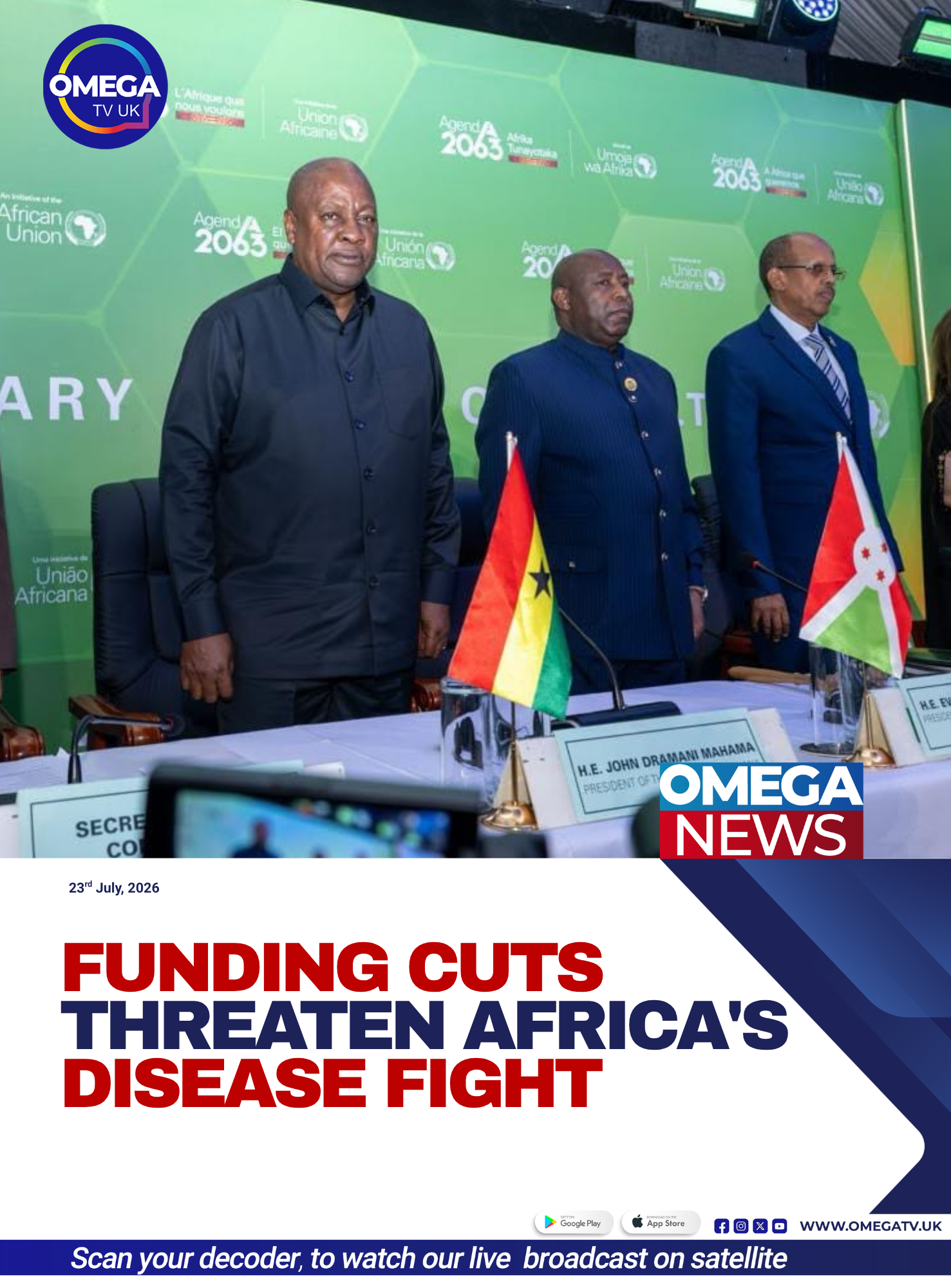
Africa risks losing decades of progress in the fight against major diseases as international funding cuts and limited domestic investment put health systems under increasing pressure, health officials warned at an African Union health summit in Accra.

The Extraordinary Summit brought together African leaders and global health officials to discuss ways to strengthen healthcare systems across the continent amid rising challenges, including disease outbreaks and funding shortages.
World Health Organization (WHO) Director-General Tedros Adhanom Ghebreyesus warned that reduced international support could slow efforts against HIV, malaria, tuberculosis, and other infectious diseases.
He urged African governments to take greater responsibility for financing their own health systems and prioritising long-term healthcare investments.
“Strengthening health systems must be at the centre of everything you decide in Accra,” Tedros said, adding that while international organisations can provide technical support, African leaders must drive political commitment and domestic funding.
Ebola Outbreak Raises Fresh Concerns
The summit comes as the Democratic Republic of Congo faces one of its most serious Ebola outbreaks in recent years.
The outbreak, which was identified in May after spreading unnoticed for weeks, has increased concerns about Africa’s ability to respond quickly to emerging health threats.
The outbreak is occurring in eastern Congo, a region already affected by conflict and instability.
Health officials say the current outbreak is linked to the Bundibugyo virus, a strain of Ebola with no approved vaccine or specific treatment currently available.
The situation has highlighted the importance of stronger disease surveillance systems, emergency response capacity, and reliable healthcare funding across the continent.
Inequality and Pandemics Remain Connected
Winnie Byanyima, executive director of UNAIDS, warned that inequality continues to increase vulnerability to health crises.
She said pandemics and inequality create a cycle where outbreaks worsen existing social and economic challenges, leaving communities more exposed to future threats.
Byanyima stressed that addressing inequality is essential to preventing future pandemics and ensuring that all communities have access to healthcare.
Her comments came as African countries continue recovering from the impact of COVID-19 while facing ongoing struggles with diseases such as HIV, malaria, and tuberculosis.
Push for Stronger African Health Systems
The two-day summit in Accra focused on improving health security across Africa through stronger political leadership, better partnerships, and increased local production of medicines and vaccines.
Officials discussed the importance of developing Africa’s pharmaceutical industry to reduce dependence on external supplies during health emergencies.
African Union leaders have increasingly called for greater self-reliance in healthcare, particularly after global supply shortages during the COVID-19 pandemic exposed weaknesses in international health systems.
Experts say sustainable progress will require a combination of government investment, international cooperation, and stronger public health infrastructure.
As disease threats continue to evolve, leaders at the summit warned that maintaining progress will depend on urgent action and long-term commitment.
Without increased investment, officials fear Africa could lose important gains made over decades in controlling some of the world’s most serious health challenges.