Energy Markets React as US-Iran Tensions and Red Sea Attacks Drive Prices Higher
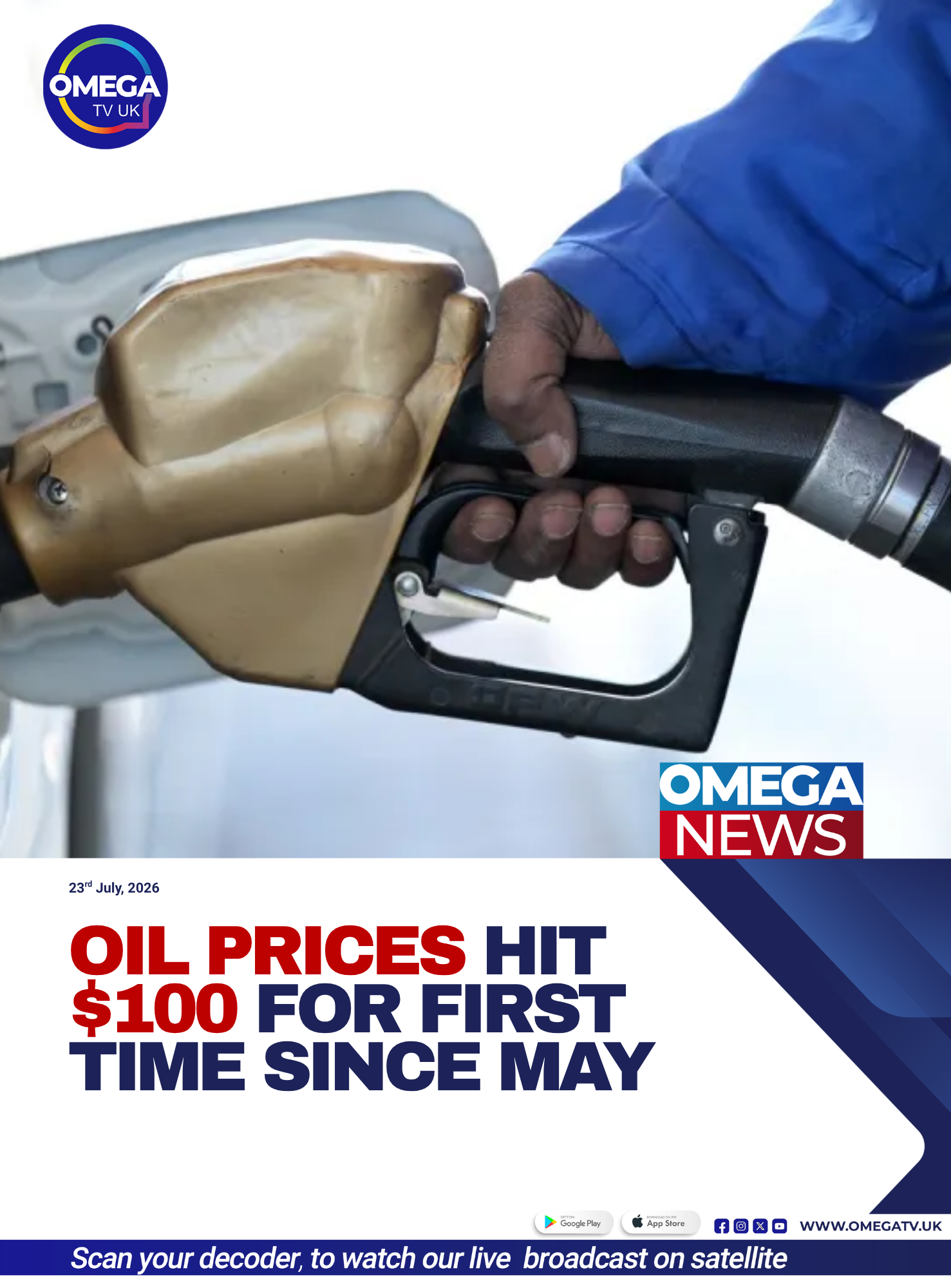
Oil prices have reached $100 a barrel for the first time since May as rising tensions in the Middle East spark concerns over global energy supplies.

Brent crude, the international benchmark for oil prices, climbed more than 6% on Thursday after several days of increases linked to escalating military activity involving the United States and Iran.
The latest surge came after Yemen’s Houthi movement attacked oil tankers in the Red Sea, raising fears over disruptions to a major shipping route used by Saudi Arabia to transport oil while avoiding the Strait of Hormuz.
Conflict Threatens Energy Stability
Oil markets had previously eased after a temporary ceasefire between the United States and Iran reduced concerns about supply disruptions.
Prices had fallen back to levels seen before military action by the US and Israel against Iran began on February 28.
However, the ceasefire has since broken down, with US Secretary of State Marco Rubio saying Iranian leaders were not prepared to reach a deal.
The renewed conflict has pushed investors to worry that further disruptions could affect oil production and transportation routes across the region.
Fuel Prices Rise for Consumers
The increase in oil prices is expected to affect consumers worldwide as higher energy costs often lead to more expensive petrol and diesel.
In the United Kingdom, petrol prices have already increased by about 5p per litre since the start of July, reaching nearly £1.56 per litre.
Diesel prices have risen to an average of around £1.72 per litre, according to motoring organisation RAC.
In the United States, average petrol prices have climbed above $4 per gallon, increasing from around $3.92 a month earlier.
Higher fuel costs can also affect the prices of everyday goods, as businesses often pass increased transportation expenses on to customers.
Inflation Concerns Return
The renewed energy price increases have raised concerns that inflation could rise again in major economies.
Inflation has recently slowed in both the UK and the US, helped partly by lower petrol and diesel prices.
However, economists warn that continued increases in energy costs could reverse some of that progress.
Jonathan Raymond, an investment manager at Quilter Cheviot, said higher energy prices could create additional challenges for central banks trying to control inflation.
He warned that policymakers may need to keep interest rates higher for longer if energy costs remain elevated.
Central Banks Face Difficult Decisions
The Bank of England has kept UK interest rates unchanged at 3.75% during its last four meetings.
Economists still expect possible rate cuts next year if energy prices stabilise, but renewed inflation pressures could complicate those plans.
In the United States, Federal Reserve Chair Kevin Warsh has said the central bank remains focused on restoring price stability.
The Federal Reserve recently maintained interest rates between 3.5% and 3.75%, despite pressure from President Donald Trump for lower borrowing costs.
As tensions in the Middle East continue, markets remain focused on whether oil prices will continue rising and how governments will respond to the economic impact.