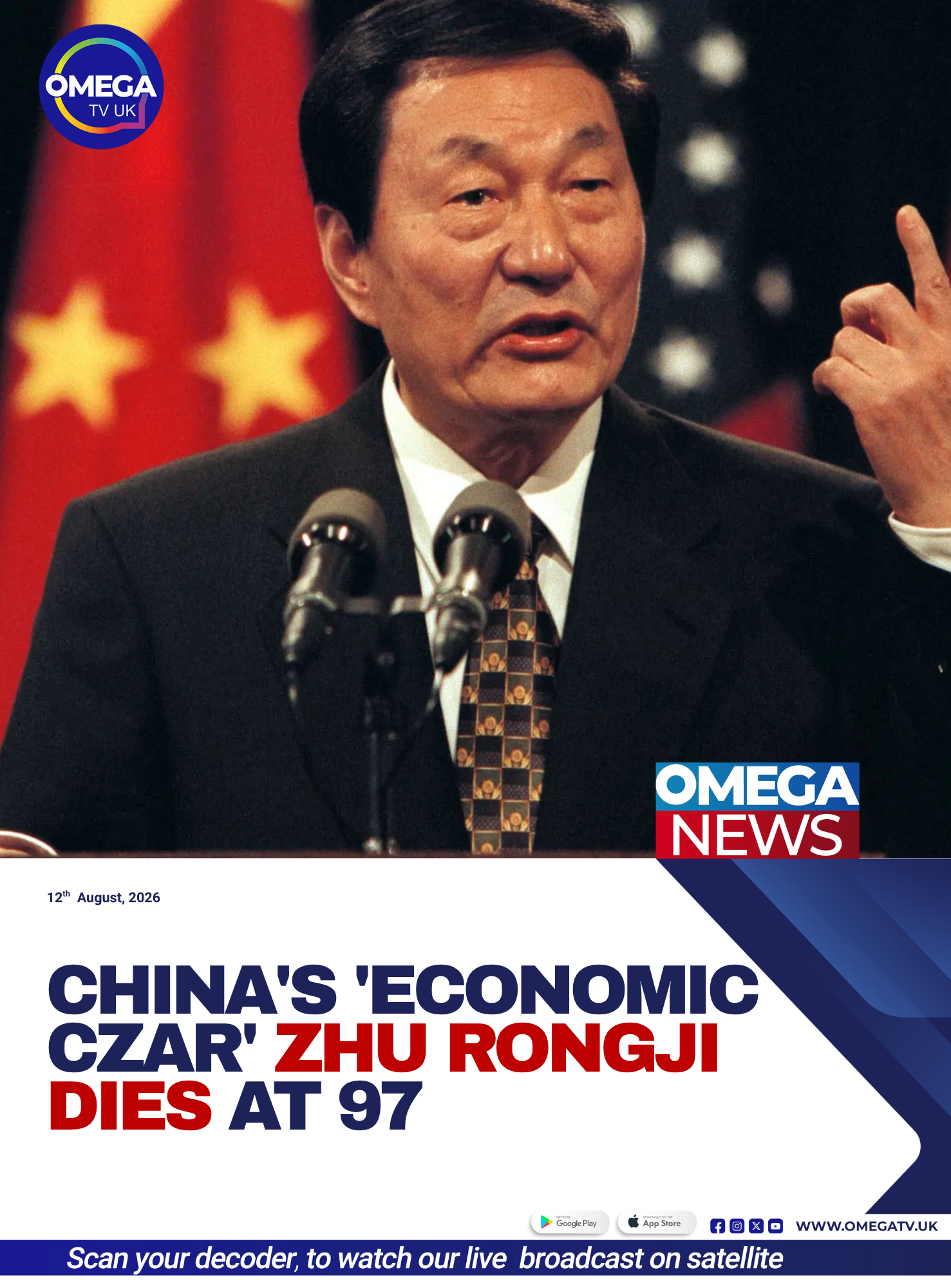
Former Chinese Premier Zhu Rongji, whose economic reforms helped transform China into a global powerhouse, has died in Beijing at the age of 97.

Former premier dies in Beijing
Zhu, who served as premier from 1998 to 2003, died of illness on Wednesday, according to state news agency Xinhua. He is survived by his wife and two children.
Architect of economic transformation
Known as China’s “economic czar”, Zhu played a major role in opening the country’s economy to market forces and global trade. His policies helped reduce poverty, expand the middle class and attract foreign investment.
Leading China into the WTO
One of Zhu’s most significant achievements was overseeing China’s accession to the World Trade Organization in 2001. The move deepened China’s integration into the global economy and helped fuel years of rapid economic growth.
Tough reforms brought controversy
Zhu pushed through major changes to China’s tax system, currency and state-owned enterprises. His reforms helped tackle inflation and modernise the economy but also resulted in millions of workers losing their jobs.
A controversial political figure
His tough approach to reform and corruption earned him both supporters and critics within the Communist Party. He was also known for his sharp tongue, quick wit and outspoken style, unusual among Chinese officials.
From political upheaval to leadership
Born in Hunan, Zhu studied electrical engineering at Tsinghua University before joining China’s state planning agency. His career was disrupted during the Mao era, but he was later rehabilitated and rose through economic positions to become Shanghai mayor, vice premier and eventually premier.
Legacy of reform
Zhu’s death marks the passing of a key figure from an era of sweeping economic transformation in China. Former US Secretary of State Henry Kissinger once described him as a “penetrating mind” who tackled one of modern history’s major reform programmes.