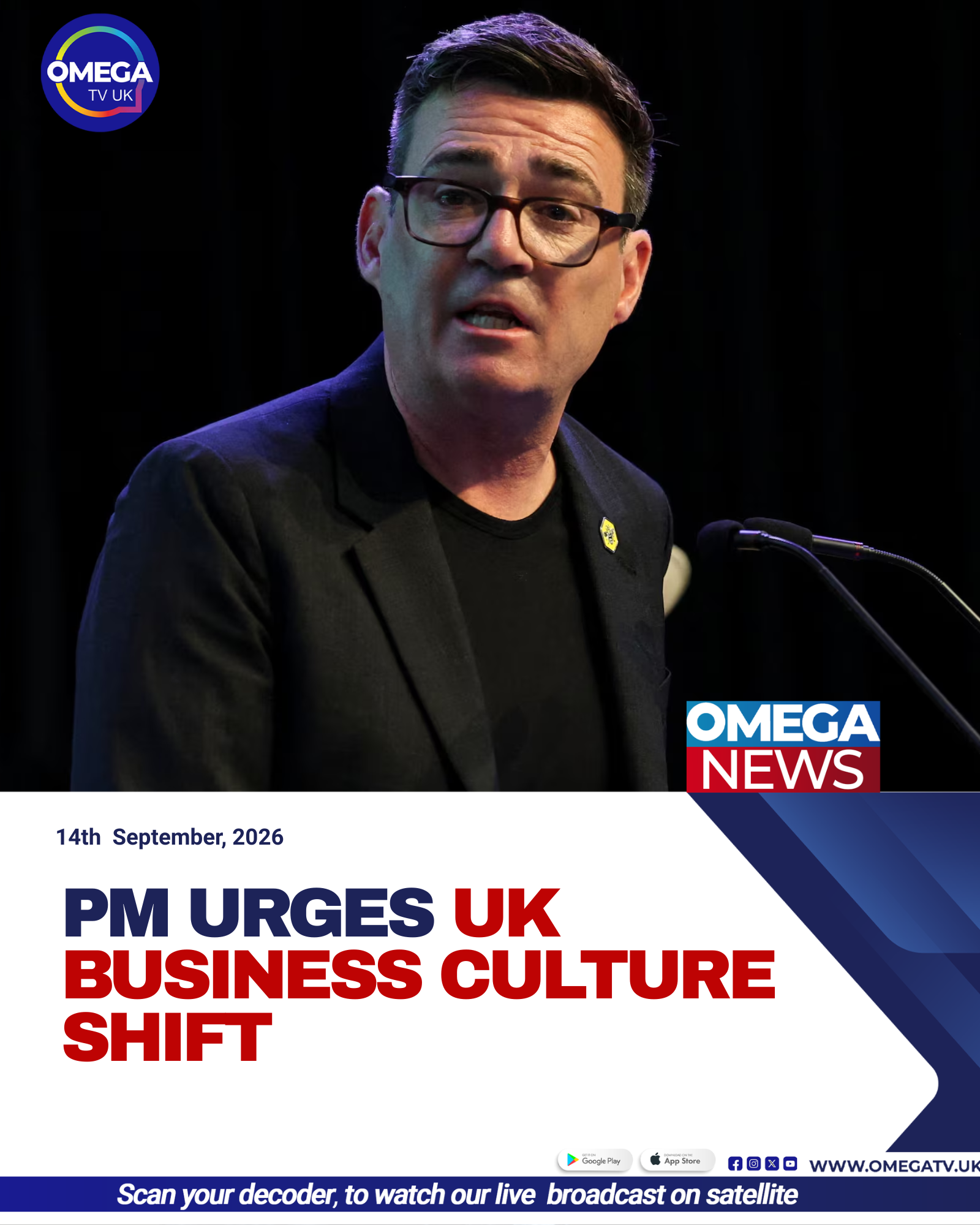
The UK needs a major “culture shift” in the way government and businesses work together, Prime Minister Andy Burnham is expected to say as he meets some of the country’s biggest corporate leaders at Downing Street.

Burnham is set to argue that people willing to take risks and develop new business ideas should receive greater support from government and local authorities. He will also call for local leaders to have more freedom and resources to work directly with companies to attract investment and create jobs.
Ahead of the meeting, Burnham said he wanted people with promising ideas to feel confident that they would receive the support needed to turn those ideas into successful businesses.
He said stronger partnerships between government, local leaders and businesses could bring investment into communities, create employment and help improve living standards across the country. The government, he added, should act as “a partner for growth” so that communities across Britain can benefit.
Burnham will host a reception for members of the business community, with local leaders invited to attend, before holding a private meeting with senior executives on Monday evening.
The meeting comes at a challenging time for governments and businesses, as rising borrowing costs and economic pressures make it more difficult to finance investment and business support programmes.
Downing Street said executives from major companies including BP, Shell, HSBC, Morrisons, Sainsbury’s, BT, Vodafone and Rolls-Royce will attend the meeting, alongside leaders from several other major firms.
Recent economic data showed that the UK economy received an unexpected boost in July, with investment in artificial intelligence contributing to the improvement. However, economists expect economic growth to weaken in the coming months, particularly as elevated energy prices continue to put pressure on businesses and consumers.
Oil prices have risen sharply following the US-Israel conflict with Iran, pushing up the cost of energy and fuel. Higher energy costs have raised concerns that inflation could remain elevated, increasing the possibility of central banks raising interest rates to slow price growth.
Expectations of higher interest rates, combined with increased competition in international debt markets from AI companies seeking large amounts of funding for technological development, have contributed to rising government borrowing costs in several countries.
However, economists have warned that Britain faces particular challenges. The yield on 10-year UK government bonds, an important indicator of borrowing costs, remains higher than those of countries including the United States, France and Japan.
Analysts have linked Britain’s relatively high borrowing costs to concerns about investor confidence. Factors cited include the rapid turnover of prime ministers and chancellors in recent years, as well as repeated changes and reversals in government policy.
Chancellor John Healey recently called for greater “confidence about Britain” during an interview with the BBC, while acknowledging the difficulty created by historically high borrowing costs.
The government has also faced criticism over measures that have increased costs for businesses. Labour’s changes to employer national insurance contributions and the minimum wage have been particularly controversial.
Opposition politicians argue that these policies have placed additional pressure on companies at a time when businesses are already dealing with rising expenses and weaker economic conditions.
Conservative shadow business secretary Julia Lopez criticised the government’s approach, arguing that reducing taxes would do more to encourage companies to expand, create jobs and invest.
She said Labour’s policies on employer taxes and business regulations had damaged companies, contributing to weaker investment, fewer opportunities in the jobs market and increasing costs for businesses.
The Downing Street meeting is therefore expected to be closely watched as the government attempts to reassure the business community while also addressing wider concerns over economic growth, investment and Britain’s borrowing costs.