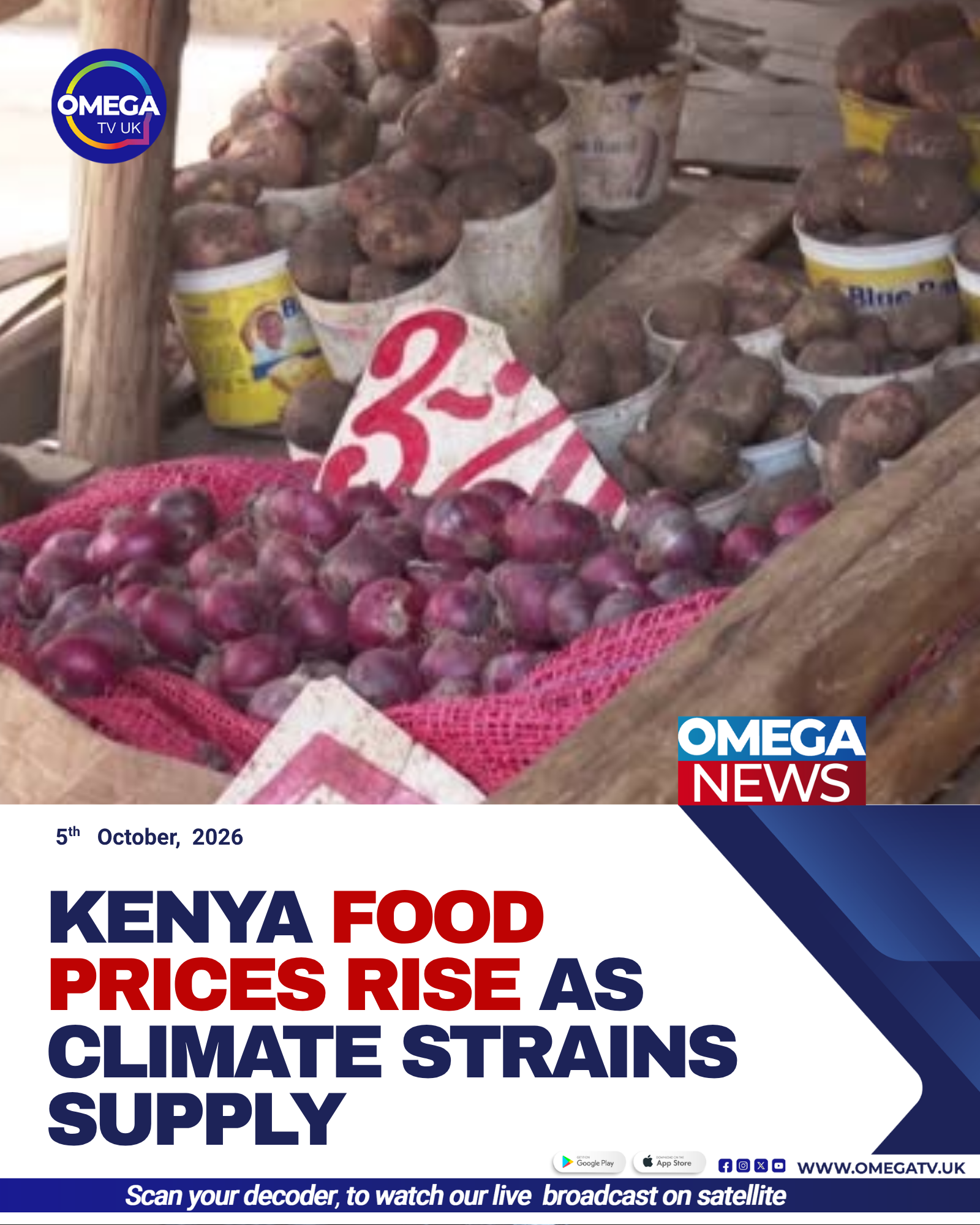
Kenya food prices rise as climate strains supply
Food shortages and changing weather patterns are pushing up prices and forcing some Kenyan families to cut back on meals.

Families struggle with rising food costs
Food prices are putting increasing pressure on households across Kenya, with consumers in Nairobi and other parts of the country cutting back on groceries as supplies become more expensive. Some families say they have reduced the number of meals they eat each day to cope with the rising cost of basic foods.
Basic foods become more expensive
Jackline Aywa, a mother of three in Nairobi, said she is leaving markets with fewer items than before because the prices of flour, maize and vegetables have increased. She said her family has had to remove some foods from its shopping list and reduce meals to manage its budget.
Some households cut meals
Aywa said some families are now having tea in the morning, skipping lunch and waiting until evening for their next full meal. Her experience reflects wider concerns over household purchasing power as food and other living costs continue to rise.
Vendors also feel the pressure
Food sellers are also being affected by the situation. Vendors say higher transportation costs and disruptions across supply chains are making it more difficult to maintain affordable prices while also protecting their incomes.
Weather adds pressure to supplies
Climate conditions are adding another challenge. Prolonged dry weather has affected agricultural production and livestock, while reduced pasture has contributed to lower milk supplies. Kenya’s formal milk deliveries to processors fell by 3.7% between June and July, according to government figures.
Farmers face weaker harvests
Poor rainfall has affected crop production in several farming areas. FEWS NET reported that poor harvests were expected in parts of western Kenya after prolonged dry conditions affected crops during important stages of growth.
El Niño raises new concerns
The expected El Niño-enhanced rains could provide relief by improving water availability and supporting new agricultural production. However, heavy rainfall could also cause flooding, waterlogging and damage to crops and infrastructure, creating further disruption to food supplies.
Food insecurity remains a concern
The latest food security assessment found that about 2.7 million people in Kenya’s arid and semi-arid areas were experiencing crisis-level or worse food insecurity between July and October 2026. The number is projected to decline somewhat as the short rains strengthen, although El Niño-related flooding could worsen conditions in some areas.
Prices could remain under pressure
Kenya’s annual food inflation reached 9.5% in September, with increases recorded in several vegetables and milk products. Higher energy and transport costs are also contributing to pressure on food prices.
Government faces food security challenge
The combination of climate uncertainty, rising production costs and supply disruptions is placing pressure on Kenya’s food system. Farmers and authorities are being urged to prepare for the changing weather conditions and protect crops and livestock.
Election puts food prices in focus
With Kenya preparing for an election in 2027, food affordability is likely to remain an important concern for households. The country’s response to climate-related food shortages, agricultural production and rising living costs could become significant issues during the election period.