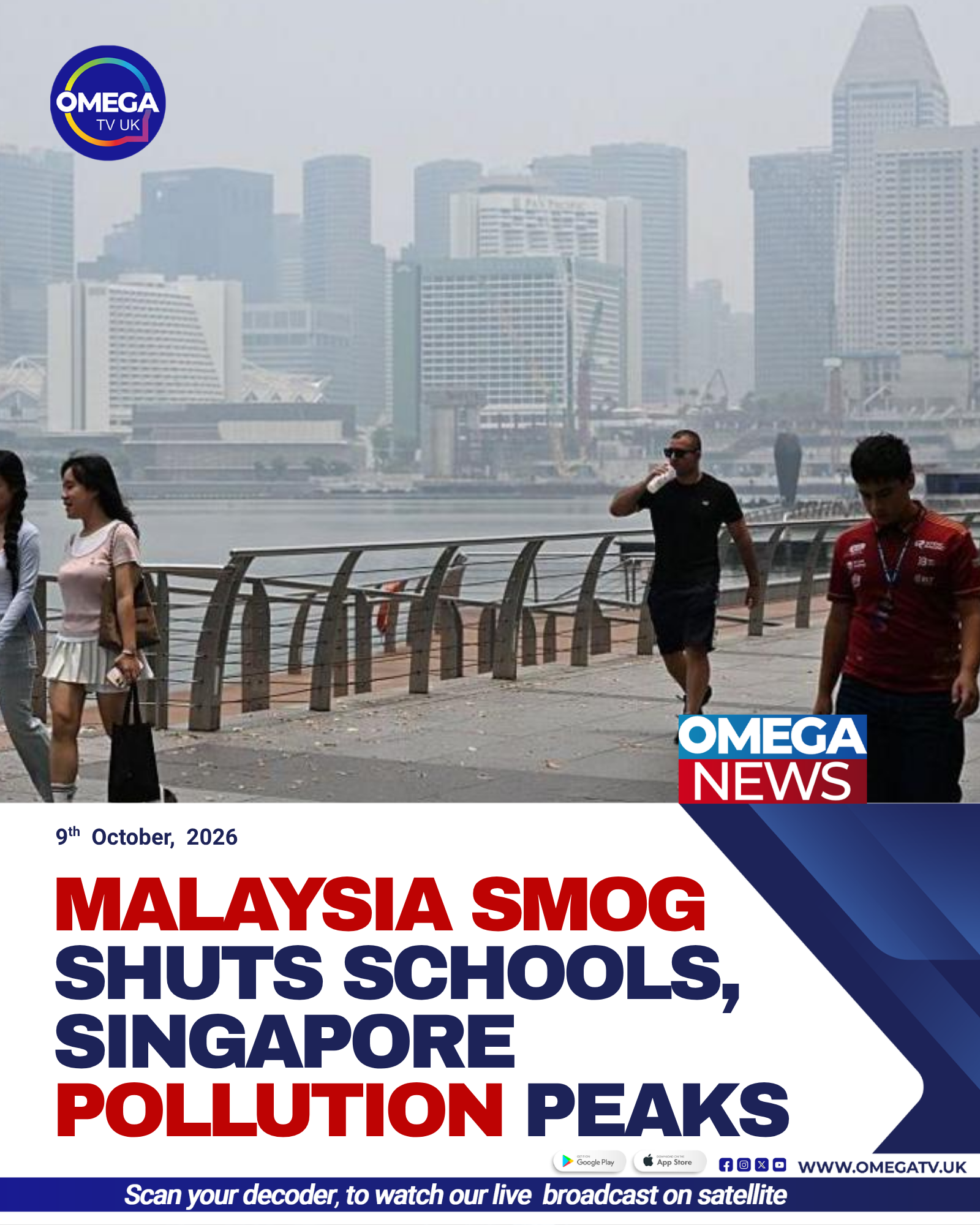
Toxic Haze Closes Malaysian Schools as Singapore Pollution Soars
Wildfires in Indonesia have sent thick smoke across Southeast Asia, forcing schools to close in parts of Malaysia as Singapore records severe air pollution during its Formula One Grand Prix weekend.

Indonesian Wildfires Spread Toxic Haze
Wildfires have been burning across parts of Indonesia for weeks, sending smoke into neighbouring Malaysia, Singapore and the Philippines. The haze has raised concerns over air quality and public health across the region as authorities respond to worsening pollution.
The fires have been linked largely to illegal slash-and-burn practices, in which farmers and companies use fire as a low-cost method of clearing vegetation. The practice can cause extensive environmental damage and release large amounts of smoke into the atmosphere.
Malaysia Orders Schools to Close
Authorities in several Malaysian states have ordered schools to shut as the haze worsens. The closures are intended to limit students’ exposure to polluted air and reduce potential health risks while air quality remains a concern.
The disruption has affected daily activities as communities contend with smoke drifting across borders from Indonesia. Children, older people and those with respiratory conditions are particularly vulnerable to the effects of poor air quality.
Singapore Records Severe Air Pollution
Singapore has also experienced a sharp deterioration in air quality as smoke from Indonesian fires spreads across the region. The pollution coincides with the city-state’s Formula One Grand Prix weekend, raising concerns about the conditions for residents, visitors and race attendees.
The haze, commonly used to describe widespread smoke pollution in Southeast Asia, has repeatedly affected countries in the region during periods of land and forest fires. Wind patterns can carry smoke across national borders, making the problem difficult for individual countries to address alone.
Respiratory Infections Rise in Indonesia
Indonesia’s Health Ministry recorded nearly 175,000 cases of respiratory infections linked to fires between July and September. The figures highlight the health burden associated with prolonged exposure to smoke and polluted air.
Smoke from wildfires contains fine particles and other pollutants that can irritate the eyes and airways and worsen existing respiratory conditions. Exposure can be particularly harmful for people who already have asthma or other breathing difficulties.
El Niño Worsens Drought Conditions
Experts say this year’s strong El Niño conditions have intensified drought, creating an environment in which fires can spread more easily. Drier vegetation and prolonged periods without sufficient rainfall can increase the risk and severity of wildfires.
The combination of land-clearing practices and dry weather has contributed to Indonesia’s wildfire season being described as one of the country’s worst in years. The resulting haze has once again highlighted the cross-border consequences of fires and the challenges of controlling them.
As smoke continues to affect neighbouring countries, the situation underscores the need for stronger fire prevention, enforcement against illegal burning and coordinated regional action to reduce pollution and protect public health.