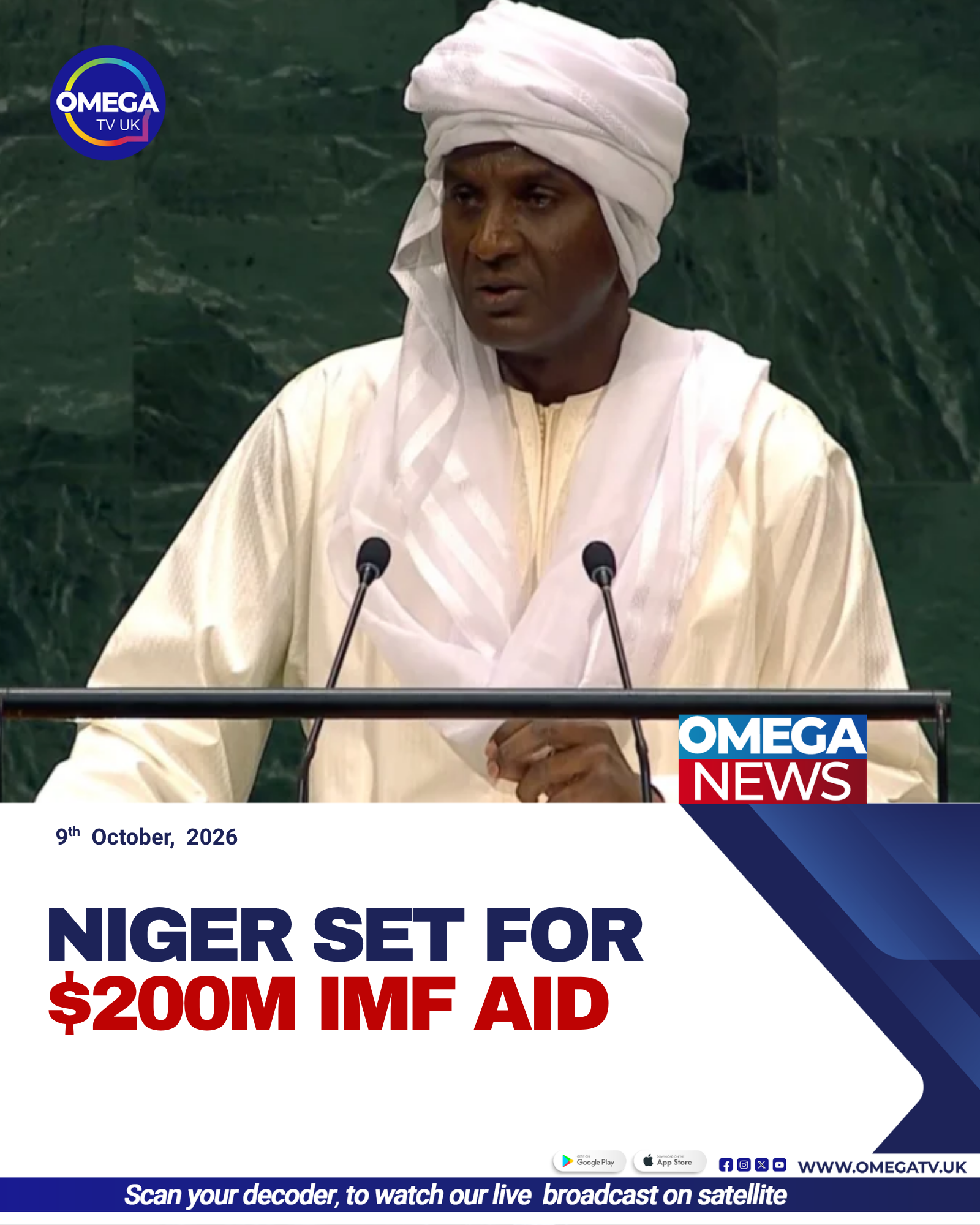
IMF Agrees $203m Package for Niger
The International Monetary Fund has reached a preliminary agreement to provide Niger with about $203 million over three years to support economic reforms, as the West African country faces security and climate-related risks.

IMF Reaches Preliminary Funding Deal
The International Monetary Fund (IMF) announced on Thursday that it had reached a preliminary agreement with Niger for financial support worth approximately $203 million over three years. The proposed package is intended to help the country strengthen its economy and advance reforms.
The agreement was reached following discussions between IMF officials and Nigerien authorities in the capital, Niamey. However, the funding remains subject to approval by the IMF’s Executive Board before it can be formally granted.
Three-Year Programme to Support Reforms
The proposed financing will be provided through a 38-month Extended Credit Facility (ECF), an IMF programme designed to support countries facing economic difficulties while helping them implement policy reforms.
The IMF said the existing programme had helped Niger maintain macroeconomic stability despite exceptional economic shocks. The new arrangement is expected to build on those achievements while supporting the government’s development priorities.
Julia Bersch, head of the IMF delegation, said the new programme would consolidate economic stability and previous reform gains while helping implement the government’s 2025–2029 development strategy.
Economic Growth Forecast Remains Strong
The IMF expects Niger’s economy to grow by 7 per cent in 2026, with expansion projected to remain close to that level in 2027. Agriculture and oil exports are expected to be the main drivers of growth.
The forecast suggests that these sectors could play an important role in supporting economic activity and government development plans. However, the projected expansion will depend on the country’s ability to manage risks that could disrupt production, investment and trade.
Security Threats Pose Economic Risks
Despite the positive growth outlook, the IMF warned that Niger continues to face significant risks, particularly from insecurity. Jihadist attacks occur regularly in parts of the country, threatening communities and creating challenges for economic activity.
Persistent insecurity can disrupt farming, trade and transport while increasing pressure on public spending. These challenges may complicate efforts to implement reforms and ensure that economic growth benefits the wider population.
Climate Shocks Add to Uncertainty
Climate-related shocks also pose a threat to Niger’s economic prospects. As a country where agriculture is an important source of livelihoods and economic activity, Niger remains vulnerable to weather conditions that can affect crop production and food security.
The combination of security challenges and climate pressures could undermine growth projections if not adequately addressed. The proposed IMF programme is intended to support economic stability and the implementation of reforms as the government pursues its medium-term development strategy.
Executive Board Approval Still Required
Although the preliminary agreement marks progress towards securing additional financial support, the package is not yet final. The IMF’s Executive Board must approve the proposed 38-month arrangement before Niger can receive the funding.
If approved, the approximately $203 million package would provide financial backing for the government’s reform agenda over the next three years. The programme comes as Niger seeks to sustain economic growth while managing security threats, climate-related disruptions and broader development needs.