Former DR Congo president Joseph Kabila sanctioned by United States
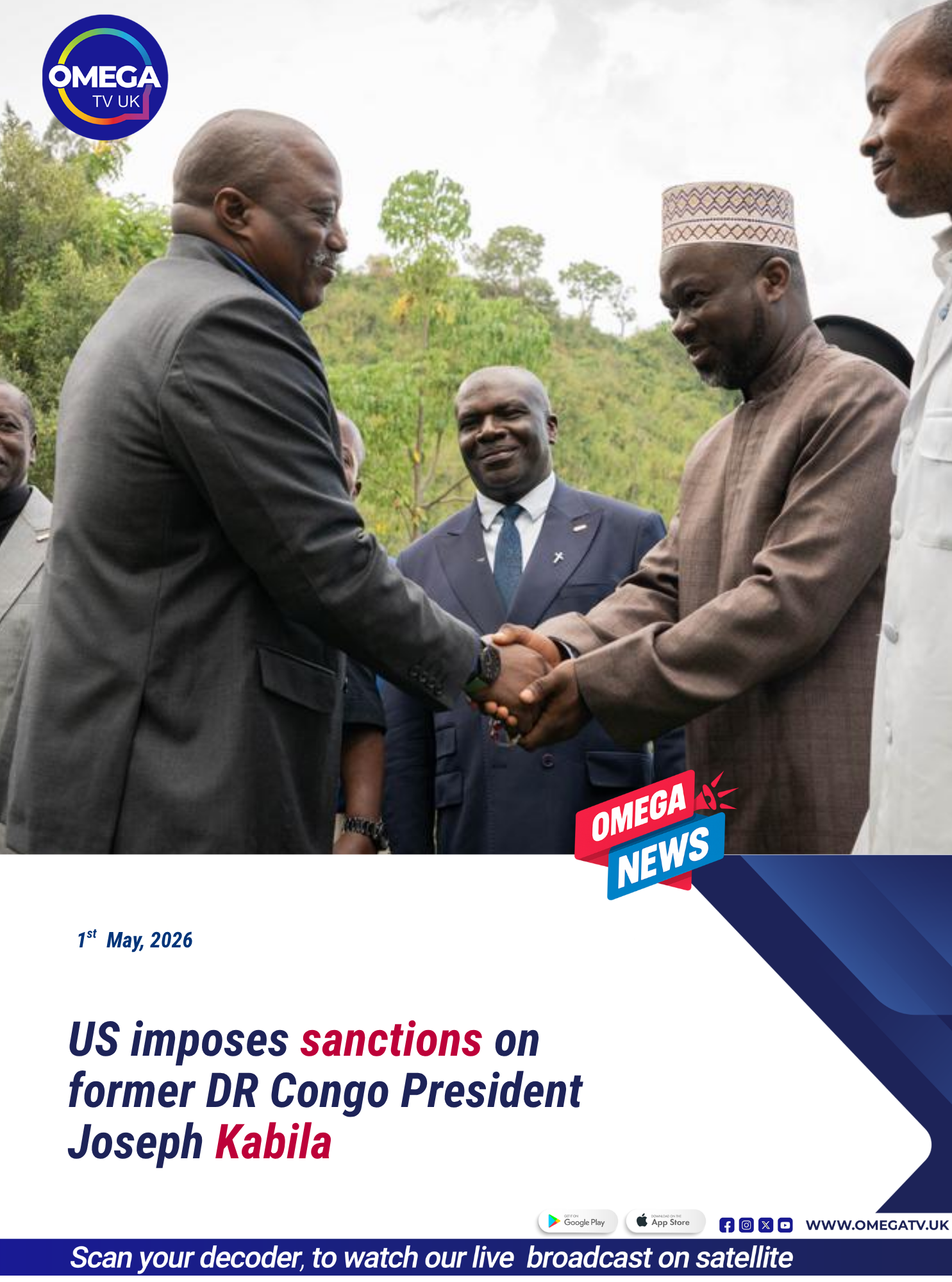
Former Democratic Republic of Congo president Joseph Kabila has been sanctioned by the United States over allegations linking him to armed rebel activity in eastern Congo.

The sanctions were announced on Thursday by the US government, which accused Kabila of supporting the Rwanda-backed M23 rebel group and its political-military alliance, the Congo River Alliance (AFC).
According to the US Treasury Department, Kabila allegedly provided financial and technological assistance to the rebel movement as part of efforts to destabilise the government in Kinshasa.
Washington also claims the former president has been attempting to regain political influence by backing opposition figures against the current administration.
The sanctions are part of wider US efforts aimed at preserving a peace agreement brokered between Rwanda and the Democratic Republic of Congo in Washington in December.
That agreement quickly collapsed after fighting continued in eastern DRC, a region rich in valuable minerals and long plagued by armed conflict.
In a statement, US Treasury Secretary Scott Bessent said Washington would continue targeting individuals accused of fueling instability in the region.
“President Trump is paving the way for peace in the DRC, and he has been clear that those who continue to sow instability will be held accountable,” Bessent said.
Joseph Kabila first became president in 2001 after the assassination of his father, former leader Laurent-Désiré Kabila.
He remained in power until 2019, after extending his stay in office beyond constitutional term limits, a move that sparked widespread criticism and unrest.
Following his departure from office, Kabila entered self-imposed exile before later resurfacing in Goma after the strategic eastern city fell under rebel control in January last year.
His reappearance in the rebel-held city raised concerns over his alleged links to armed groups operating in the region.
Last year, a military court in the Democratic Republic of Congo sentenced Kabila to death in absentia on charges including treason and alleged collaboration with rebel forces.
The ruling effectively blocked any immediate attempt at a political comeback.
Despite legal pressure, Kabila is still believed to maintain extensive business interests within the country.
Authorities in Kinshasa have reportedly attempted to seize some of his assets, though his financial and political networks remain influential.
US officials warned that individuals or entities continuing to engage financially with Kabila could also face sanctions risks.
The Treasury Department said Kabila is believed to currently be residing in Goma.
Meanwhile, President Donald Trump had previously expressed support for a peace deal that would potentially grant the United States expanded access to eastern Congo’s mineral resources.
However, despite diplomatic efforts, M23 fighters continued advancing after the agreement, further escalating tensions.
In response, Washington earlier condemned Rwanda over alleged support for M23 and imposed sanctions on Rwandan military officials in March.
Rwanda has repeatedly denied directly backing the rebel group.
Kigali instead accuses the Congolese government of failing to deal with Hutu armed groups in eastern Congo linked to the 1994 Rwandan genocide against Tutsis and moderate Hutus.
Under the new measures, any assets Kabila may hold in the United States will be frozen.
The sanctions also make it illegal for US individuals and institutions to conduct financial transactions with him.
The move adds further international pressure on Kabila as regional instability in eastern Congo continues to threaten broader peace efforts.