Curfews Imposed in Paris and Nice After Riots
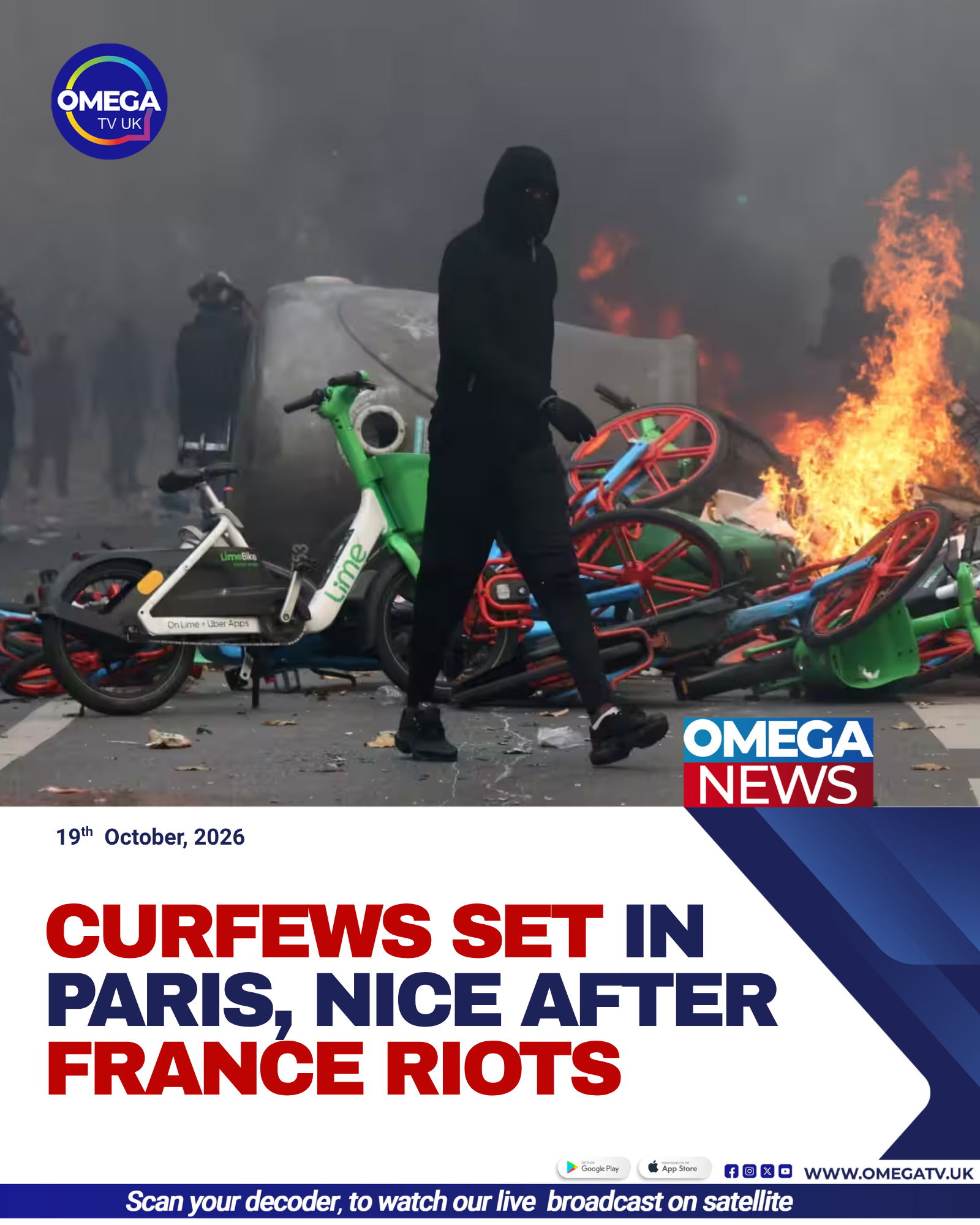
Authorities in Paris and Nice have announced overnight curfews following widespread protests, riots and looting across France, as the government moves to restore order after a weekend of unrest that reportedly affected around 2,000 businesses. The restrictions follow days of demonstrations that began last month over school conditions but have since expanded to include broader political and social grievances. French Prime Minister Sébastien Lecornu has authorised local authorities to impose curfews in affected areas as security concerns grow.

Paris announces overnight restrictions
Police in Paris announced a curfew covering parts of the city centre, scheduled to begin at 23:00 local time and remain in effect until 06:00 the following morning. The measure is intended to limit further disorder and reduce opportunities for looting and property damage as authorities respond to continuing unrest.
The restrictions apply to designated areas rather than the entire French capital. Residents and visitors in affected neighbourhoods are expected to follow police instructions and check official announcements for details about the locations covered by the measures.
The decision comes after a weekend of demonstrations that drew large crowds onto French streets. While many participants joined protests to express dissatisfaction with public policies, incidents of vandalism, theft and clashes have raised concerns about public safety and the protection of businesses.
Nice introduces curfew for minors
In Nice, a city on France’s southern Mediterranean coast, Mayor Eric Ciotti announced a separate curfew specifically targeting minors. The measure is scheduled to begin at 21:00, reflecting local authorities’ concerns about young people becoming involved in further unrest.
The restriction differs from the measures announced in Paris because it focuses on minors rather than applying generally to everyone within designated areas. Its introduction follows the government’s decision to give local officials greater authority to respond to disorder according to conditions in their communities.
Authorities have not indicated that the two cities will necessarily follow identical approaches. Local officials are assessing their own security situations while attempting to prevent further damage and protect residents, businesses and public infrastructure.
Government warns against further violence
Prime Minister Lecornu gave local authorities the power to introduce curfews after the weekend’s disturbances. In a statement, he said the government would not allow itself to be controlled by those responsible for violence and theft.
“We will not be dictated and ruled by the breakers, by the thieves, by the thugs,” Lecornu said, signalling the government’s intention to take a firmer approach to the unrest.
The prime minister also accused what he described as ultra-left radical groups of attempting to create chaos ahead of France’s 2027 presidential election. His remarks reflect the government’s assessment of the political forces involved, although the wider movement has developed around several concerns and should not automatically be attributed to a single group.
The authorities face the challenge of distinguishing peaceful demonstrators from individuals involved in violence and looting while maintaining public order.
Protests spread beyond school concerns
The unrest began last month, when students protested over school conditions. The demonstrations have since broadened, attracting people with different grievances and expanding into a wider movement against government policies and social conditions.
More than 500,000 people reportedly took to the streets on Saturday. The scale of the demonstrations placed significant pressure on police and local authorities, particularly in urban areas where large gatherings created opportunities for clashes and property damage.
On Sunday, more than 350 arrests were reported in Paris alone. At least five shops were also reported to have been looted, adding to concerns among retailers already facing disruption from the demonstrations.
Businesses face growing losses
The unrest has had a substantial impact on commercial activity. Around 2,000 businesses are believed to have been affected, although the precise financial losses and the full extent of the damage remain unclear.
Businesses caught up in the disorder may face damaged premises, stolen merchandise, interrupted trading and additional security costs. Even shops that have not been directly attacked can experience reduced customer traffic when demonstrations and police operations disrupt movement through commercial districts.
The curfews are intended to help prevent further incidents, but their effectiveness will depend on enforcement, public cooperation and whether the wider protests continue.
Authorities prepare for further unrest
The restrictions in Paris and Nice mark a significant escalation in the official response to the demonstrations. By allowing local authorities to impose curfews, the government has given cities additional powers to respond to immediate security concerns.
However, the measures do not resolve the underlying issues that prompted the protests. The demonstrations have expanded beyond their original focus on school conditions, and officials may face continued pressure to address the concerns driving public anger.
For now, authorities are prioritising public safety, preventing further looting and protecting businesses as France faces uncertainty over whether the unrest will continue in the days ahead.