US and Iran Exchange Strikes as Dispute Over Strait of Hormuz Escalates
Washington says key waterway remains open as Tehran claims control amid rising tensions
Tensions between the United States and Iran have intensified after both sides exchanged strikes, with a renewed dispute over the strategic Strait of Hormuz threatening to deepen the crisis.

The United States insists the vital shipping route remains open, despite Iran declaring that the waterway has been closed following escalating military action in the region.
US launches strikes on Iranian targets
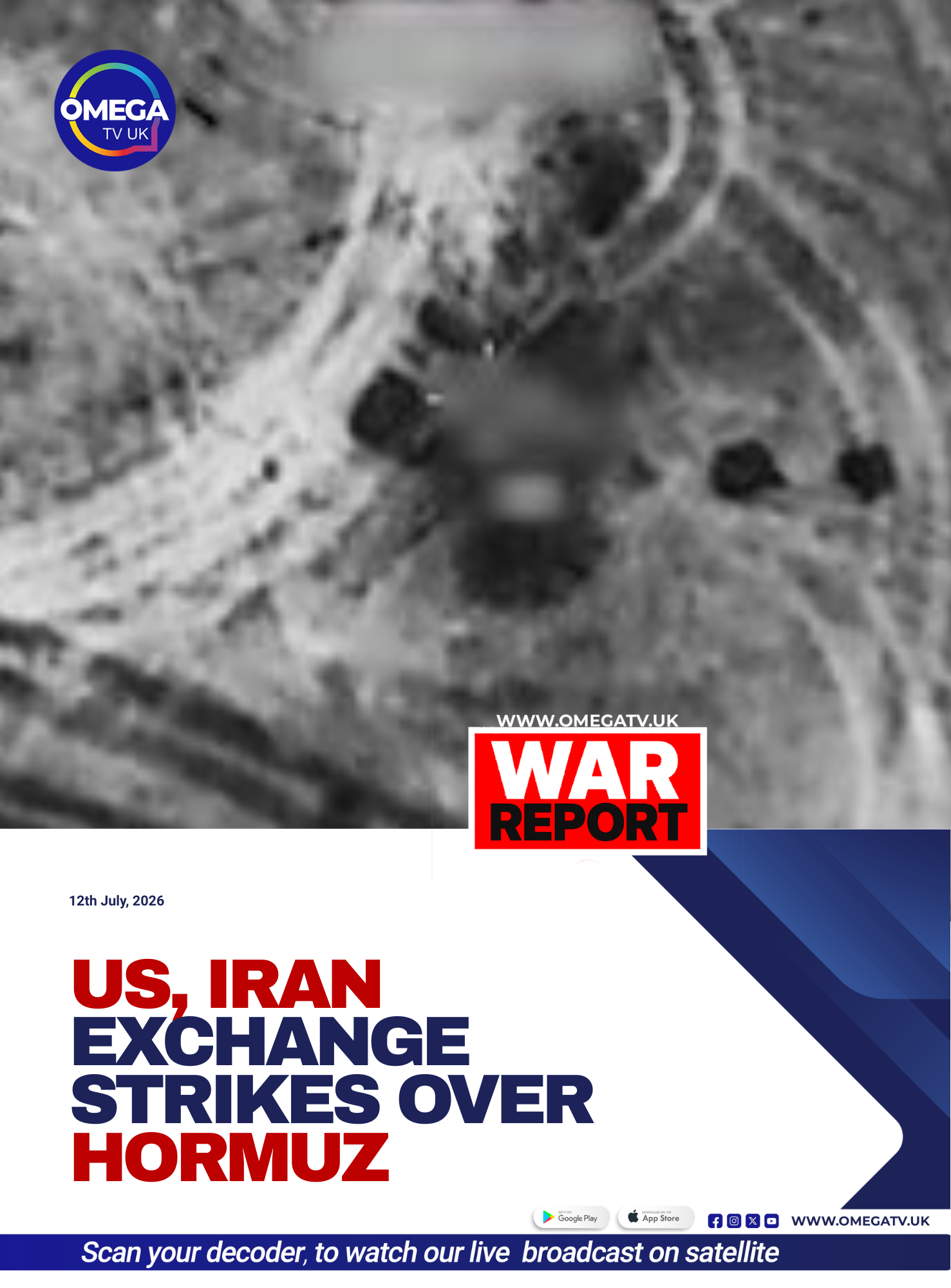
The latest escalation followed a US announcement that it had carried out strikes on more than 140 targets across Iran.
US officials said the attacks were in response to Iranian forces targeting a commercial vessel travelling through the Strait of Hormuz.
The United States accused Iran’s Islamic Revolutionary Guard Corps (IRGC) of attacking a Cyprus-flagged ship after it travelled along what Tehran described as an unauthorised route.
The vessel suffered damage to its engine room and was unable to continue its journey. A crew member was reported missing, while others were forced to abandon the ship.
Iran claims control over Strait of Hormuz
Iran later announced that the Strait of Hormuz had been closed until further notice, attempting to assert greater control over the important maritime route.
However, US Central Command rejected the claim and said the waterway remained open.
The strait is one of the world’s most important shipping routes, with a significant amount of global energy supplies passing through the area.
Iran retaliates with regional attacks
Following the US strikes, Iran launched what it described as a major retaliation campaign against US bases and allies in the region.
The IRGC said it targeted a US base in Jordan, while countries including the United Arab Emirates, Qatar, Kuwait, Oman and Bahrain reported responding to Iranian missiles and drones.
Qatar, which has played a role in ceasefire negotiations, had not experienced an attack since April, while the UAE had not been targeted since May.
Iran’s state media also reported missile activity near Qeshm Island, a strategically important location in the Gulf.
Ceasefire agreement under threat
The renewed fighting has placed a temporary ceasefire agreement under pressure.
The deal, signed last month, was intended to help reopen the Strait of Hormuz and create a path towards ending the wider conflict.
US President Donald Trump said Iranian attacks had effectively ended the ceasefire, while Iran’s Foreign Minister Abbas Araghchi accused Washington of violating the agreement.
Despite the tensions, Trump said negotiations could continue, with mediators attempting to restart discussions.
Global concerns grow over shipping security
The latest confrontation has raised concerns over the safety of international shipping and the potential impact on global energy markets.
The United States says its military presence in the region is aimed at keeping the Strait of Hormuz open and protecting commercial routes.
Iranian officials, meanwhile, have warned that the country will respond to further military pressure.
With both sides continuing military operations and diplomatic efforts ongoing, fears remain that the crisis could expand into a wider regional conflict.