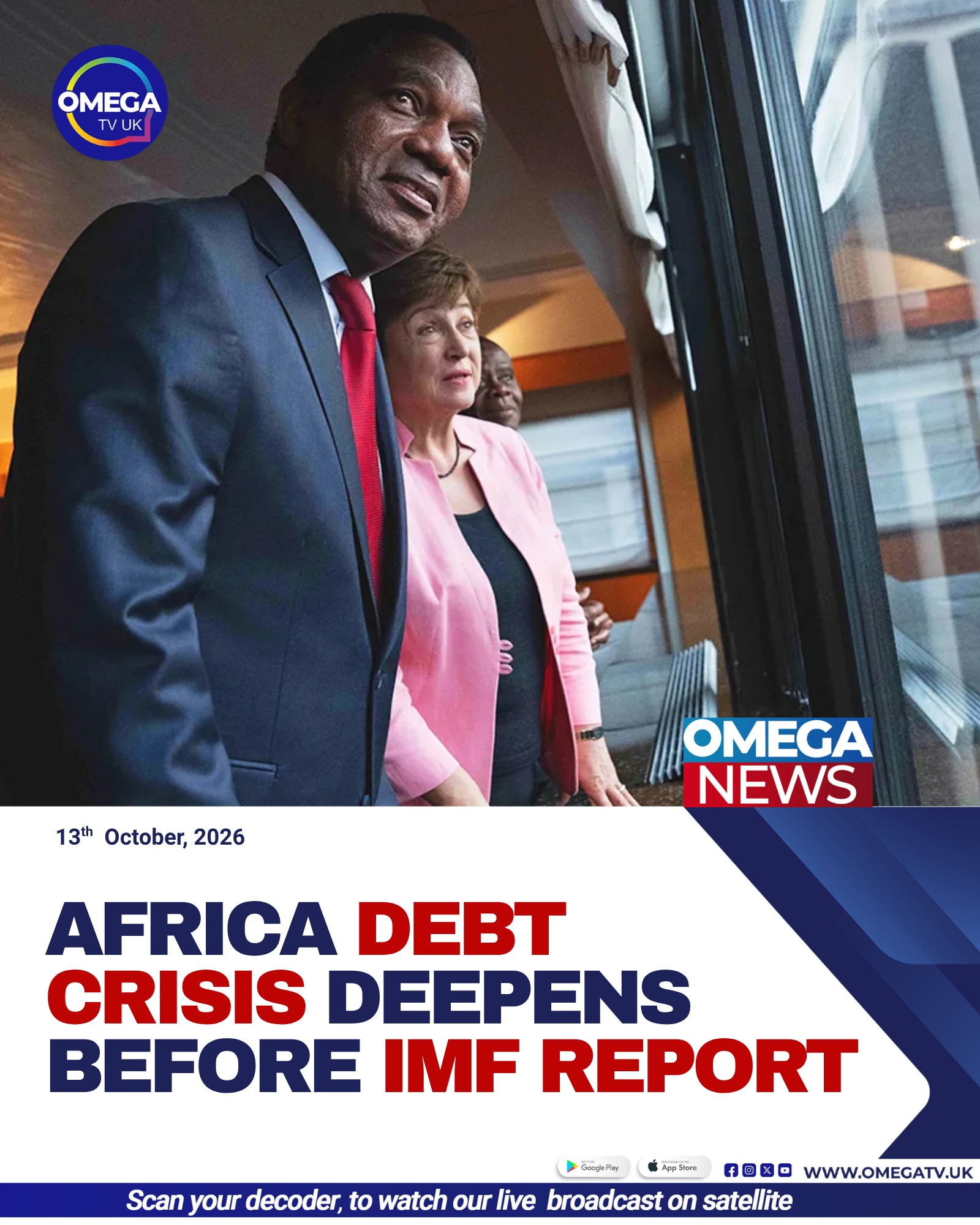
Africa’s Debt Crisis Deepens Ahead of IMF Report
Africa’s growing debt burden is intensifying debate over austerity, debt relief and the economic pressure on ordinary citizens as the International Monetary Fund prepares to release its World Economic Outlook in Bangkok on Tuesday.

Growth Forecast Masks Debt Pressures
The IMF expects sub-Saharan Africa’s economic growth to remain above four percent. However, the forecast masks mounting financial pressures, with some countries spending between 30 and 50 percent of their tax revenues on debt servicing. This leaves governments with fewer resources for essential services, including healthcare, education and infrastructure.
Austerity Measures Fuel Public Anger
The IMF continues to recommend expanding tax bases, reducing unbudgeted subsidies and rebuilding fiscal reserves. But these measures have faced growing public resistance. In Kenya, tax increases triggered deadly protests, while Nigeria’s currency devaluation and subsidy cuts contributed to rising food prices and nationwide strikes. Subsidy reductions in Ghana and parts of North Africa have also added to household pressures.
African Ministers Demand Debt Relief
African finance ministers are urging the G20 and multilateral lenders to establish a strict six-month timeline for debt restructuring under the Common Framework. They are also calling for the suspension of IMF loan surcharges and meaningful relief from debt repayments without additional austerity requirements.
Debate Over Who Pays the Price
The discussions in Bangkok extend beyond economic growth forecasts to the social consequences of Africa’s debt burden. Lenders argue that fiscal discipline is necessary to restore market confidence, while African ministers warn that without substantial debt relief, governments risk worsening living conditions and fuelling further unrest.