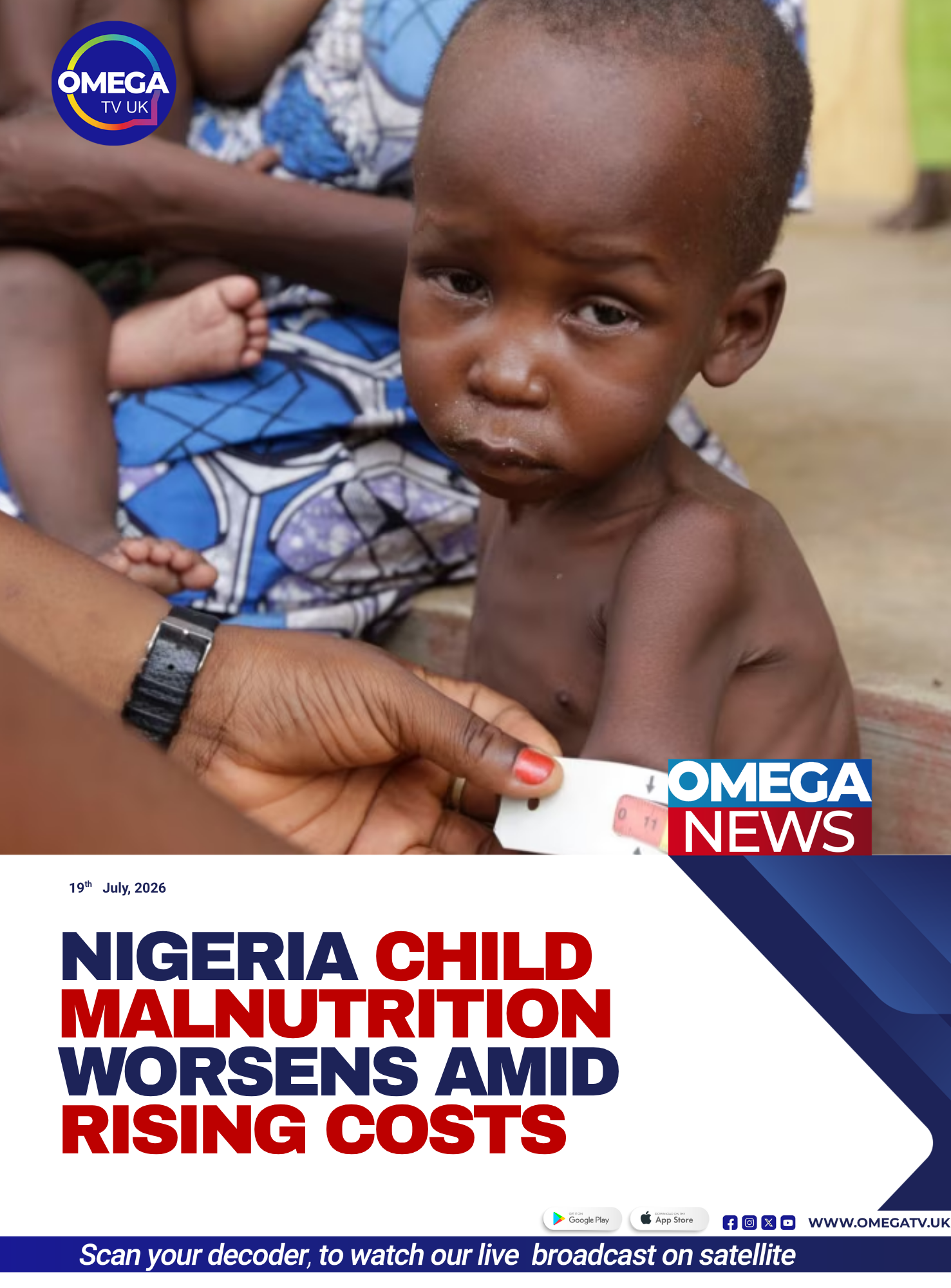
Rising food prices and economic hardship push more children into hunger in northern Nigeria
Child malnutrition is worsening in northern Nigeria as rising living costs, fuel price increases and economic hardship leave many families struggling to provide nutritious meals for their children.

For father-of-six Shehu Aminu, seeing his youngest child diagnosed with malnutrition for a second time was painful but not surprising. The 18-month-old had struggled to receive regular meals, let alone the balanced nutrition needed for healthy growth.
Aminu, who lives in Kware, Sokoto State, said his family’s situation became more difficult after he lost his job as a taxi driver following a sharp rise in petrol prices linked to global economic pressures.
“I could no longer keep up with my financial obligations. I now struggle to provide for my family,” he said.
Across Sokoto and other parts of northern Nigeria, health workers and aid organisations say more children are returning to treatment centres after recovering from malnutrition, highlighting the growing impact of food insecurity on vulnerable households.
Northern Nigeria was already facing severe challenges due to poverty, insecurity and ongoing attacks by armed groups. However, rising prices and global economic shocks have placed additional pressure on families already struggling to survive.
Nigeria has experienced high inflation following major economic reforms, including the removal of fuel subsidies and currency devaluation. The World Bank estimates that millions of Nigerians are now living in poverty or remain vulnerable to falling into poverty.
The situation has been further affected by international events, including the conflict in the Middle East, which disrupted energy markets and contributed to higher fuel costs globally.
In Nigeria, petrol prices increased significantly, causing transportation costs, food prices and other essential goods to become more expensive. Families who were already struggling have found it increasingly difficult to afford basic necessities.
At health facilities in Sokoto, medical workers have reported a rise in children returning with malnutrition after previously receiving treatment.
Health worker Halimah Muhammad said she was concerned about the increasing number of mothers arriving with malnourished children.
“I am not happy to see the number of women coming to the health facility with their malnourished children increasing,” she said.
UNICEF has warned that worsening poverty could have long-term consequences for children, affecting their physical development, education and future opportunities.
UNICEF Executive Director Catherine Russell said families under financial pressure may struggle to provide the food and support children need, potentially affecting their growth and ability to remain in school.
The crisis is also threatening farming communities in northern Nigeria, where rising fertilizer costs and insecurity have made agricultural production more difficult.
For Aminu, the struggle to feed his family has become an everyday challenge. He said meals that were once affordable are now beyond his reach, forcing his family to rely mostly on simple foods such as rice and corn pudding.
“There’s nothing nutritious that my family gets to eat,” he said.
As northern Nigeria continues to face insecurity, poverty and rising living costs, aid workers warn that without urgent support, more children could face the devastating effects of hunger and malnutrition.