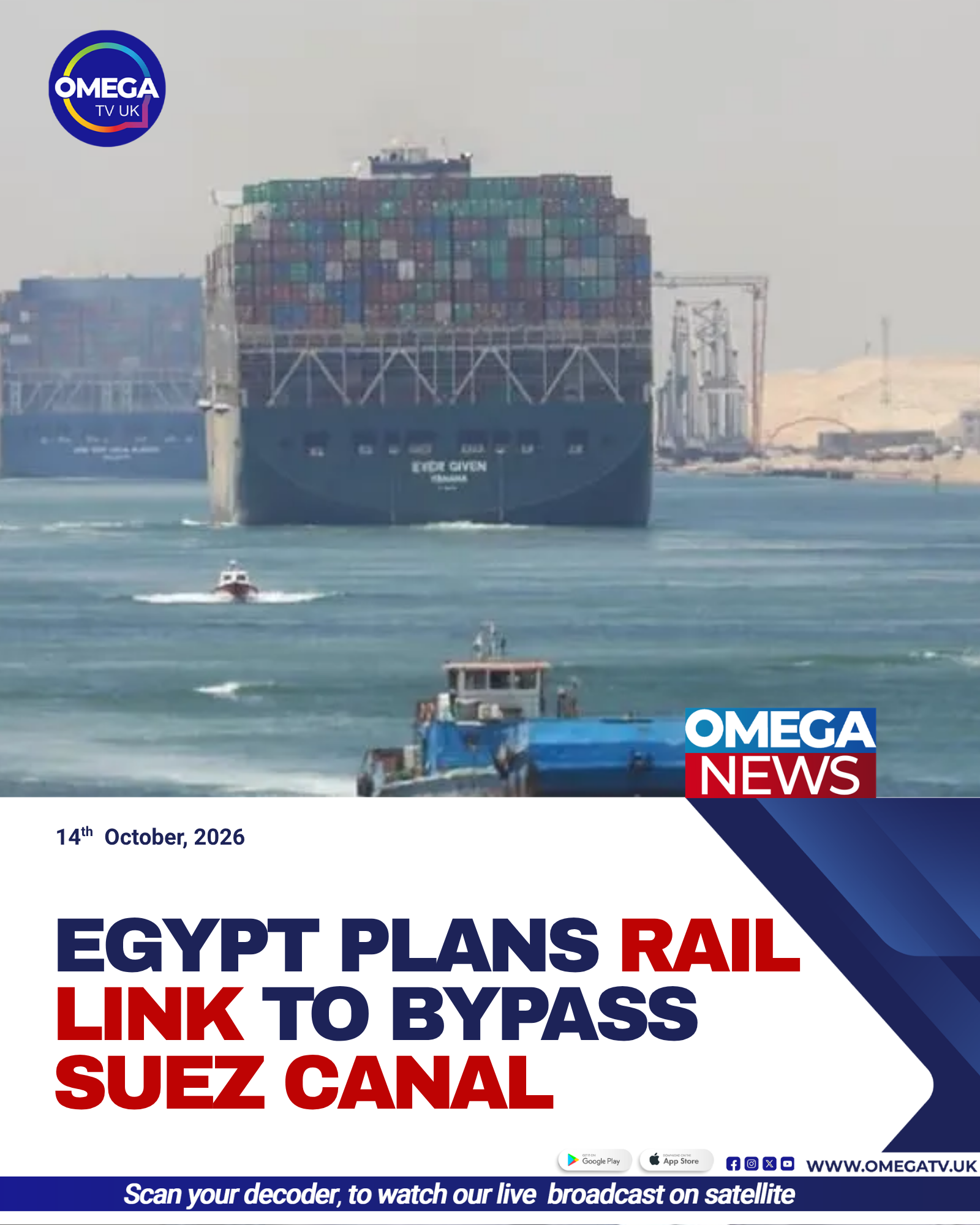
Egypt Plans Rail Alternative to Suez Canal
Egypt is developing a major rail network to provide an alternative route for moving goods between the Red Sea and Mediterranean, aiming to reduce its reliance on the Suez Canal amid maritime security disruptions.

Red Sea Disruptions Drive New Investment
The Suez Canal has long been a vital route for global shipping, handling a significant share of international maritime trade. However, security threats in the Red Sea have forced some vessels to reroute around the Cape of Good Hope, disrupting supply chains and reducing canal revenues.
$8.7 Billion Rail Network Planned
At the centre of Egypt’s strategy is an electrified high-speed rail project valued at $8.7 billion, spanning approximately 2,000 kilometres. Dubbed the “Suez Canal on Rails,” the network is intended to connect Red Sea ports with Mediterranean export terminals. Once fully operational, the railway is expected to transport up to 13 million tonnes of freight annually, allowing goods to cross Egypt by land rather than relying entirely on maritime routes.
Government Targets Global Trade
Egyptian Economy and Planning Minister Ahmed Rostom said investments in roads, ports and railways would give international trading partners more options for transporting goods across the country and reaching European markets. The Suez Canal Economic Zone, which has attracted more than $16 billion in investment, is central to the country’s broader logistics strategy.
Wider African Trade Opportunities
Egypt also hopes the infrastructure will strengthen trade links across Africa. The network could complement the African Continental Free Trade Area by connecting North African ports with transport corridors serving eastern and sub-Saharan Africa. By improving access to Mediterranean and European markets, Egypt aims to strengthen its role in regional logistics and reduce the impact of disruptions to international shipping routes.