

ICC convicts former CAR militia commander of crimes against humanity
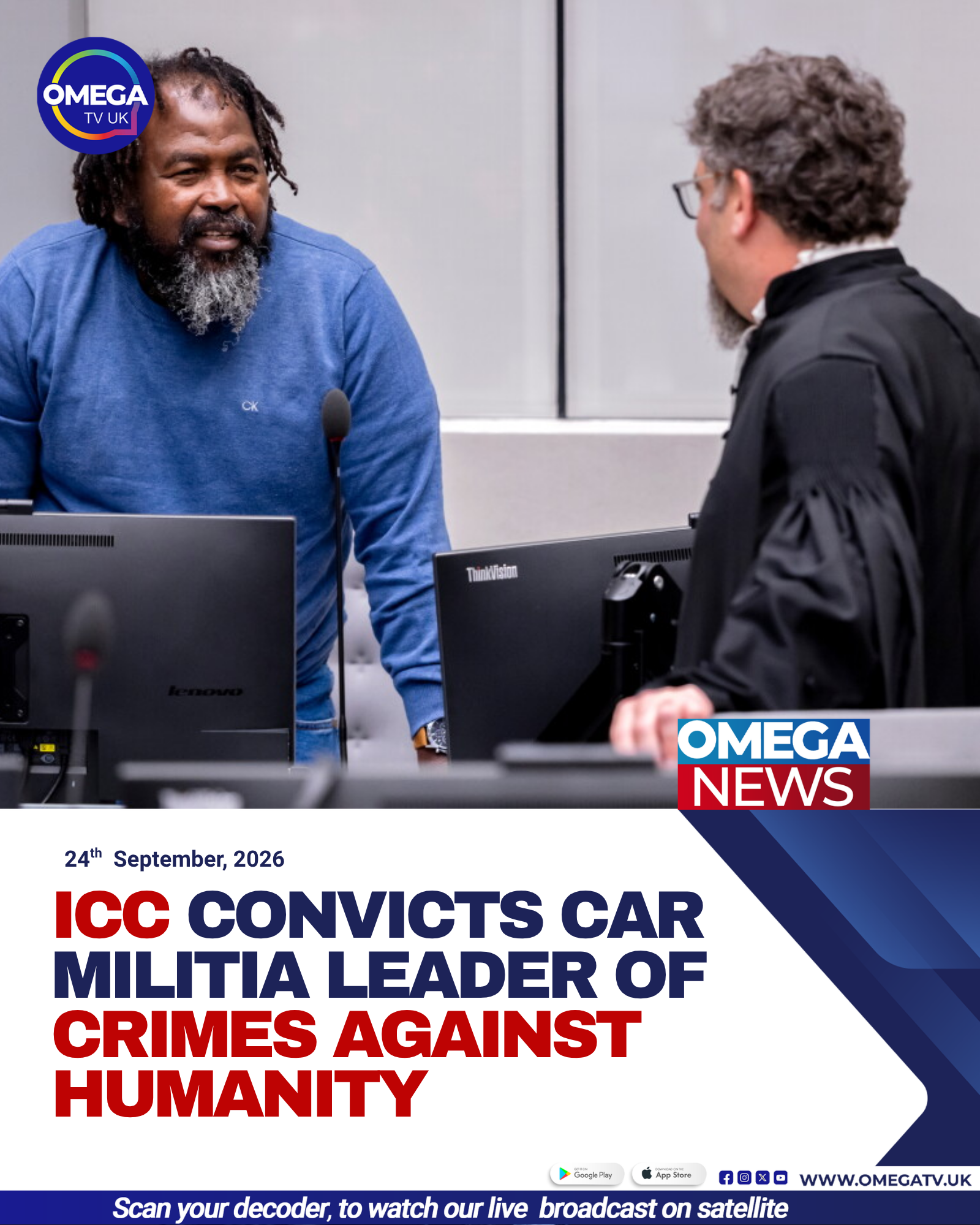
The International Criminal Court has convicted former Central African Republic rebel commander Mahamat Said Abdel Kani of crimes against humanity committed during the country’s 2013 conflict. Judges found him guilty of imprisonment, torture, other inhumane acts and persecution.

Abuses At Bangui Detention Centre
The case focused on abuses at the Office Central de Répression du Banditisme detention facility in Bangui, where Said was accused of exercising authority over detainees. The ICC found that prisoners were subjected to severe mistreatment while being held at the facility.
Witnesses Describe Torture
During the trial, witnesses described overcrowded cells and harsh conditions. Some testified that detainees were whipped and tortured, while others said they were held in a windowless room beneath Said’s office. The evidence formed part of the prosecution’s case over crimes committed in 2013.
Conflict Between Seleka And Anti-Balaka
The crimes occurred during fighting between the predominantly Muslim Seleka coalition, which seized power from President François Bozizé in 2013, and the mainly Christian anti-Balaka militia. The violence caused widespread deaths and displacement across the country.
Victims Welcome Verdict
Marius Olivier Trésor Poussinga, who said he was tortured at the detention centre, welcomed the judgment as recognition of what victims had experienced. He said the court’s decision acknowledged his suffering and would allow him to feel some relief after years of waiting.
Government Welcomes Conviction
Central African Republic Justice Minister Arnaud Djoubaye Abazène also welcomed the ruling, saying justice should continue to reach victims of abuses committed during the country’s periods of conflict.
Human Rights Groups React
Human Rights Watch described the conviction as an important development in efforts to hold perpetrators accountable. The organisation also warned that continuing abuses in the Central African Republic show the need for stronger support for both international and domestic justice mechanisms.
ICC Investigation Closed
The conviction comes after the ICC concluded its broader investigation into the Central African Republic in 2022. Then-Prosecutor Karim Khan announced the end of the investigation, citing limited resources, while proceedings in existing cases continued.
Other Militia Leaders Convicted
The ICC has also prosecuted other figures linked to the Central African conflict. Two senior anti-Balaka leaders, Alfred Yekatom and Patrice-Edouard Ngaïssona, were convicted in 2025 of multiple war crimes and crimes against humanity.
Special Court Handles Other Cases
The Central African Republic’s Special Criminal Court has also been prosecuting people accused of serious abuses. Established with international support, the court has pursued cases involving crimes committed during years of coups and armed conflict.
Bozizé Faces Trial
Former President François Bozizé is among those facing proceedings before the Special Criminal Court. His trial is being conducted in absentia because he remains outside the country.
Concerns Over Court Funding
Human rights organisations have warned that the Special Criminal Court faces financial difficulties following the withdrawal of US funding. They have called on international partners, including the United Nations and European Union, to help maintain its work.
Sentence To Follow
Said pleaded not guilty when his ICC trial began in 2022. The court’s latest judgment establishes his criminal responsibility for the crimes for which he was convicted, while the sentence will be determined at a later stage.