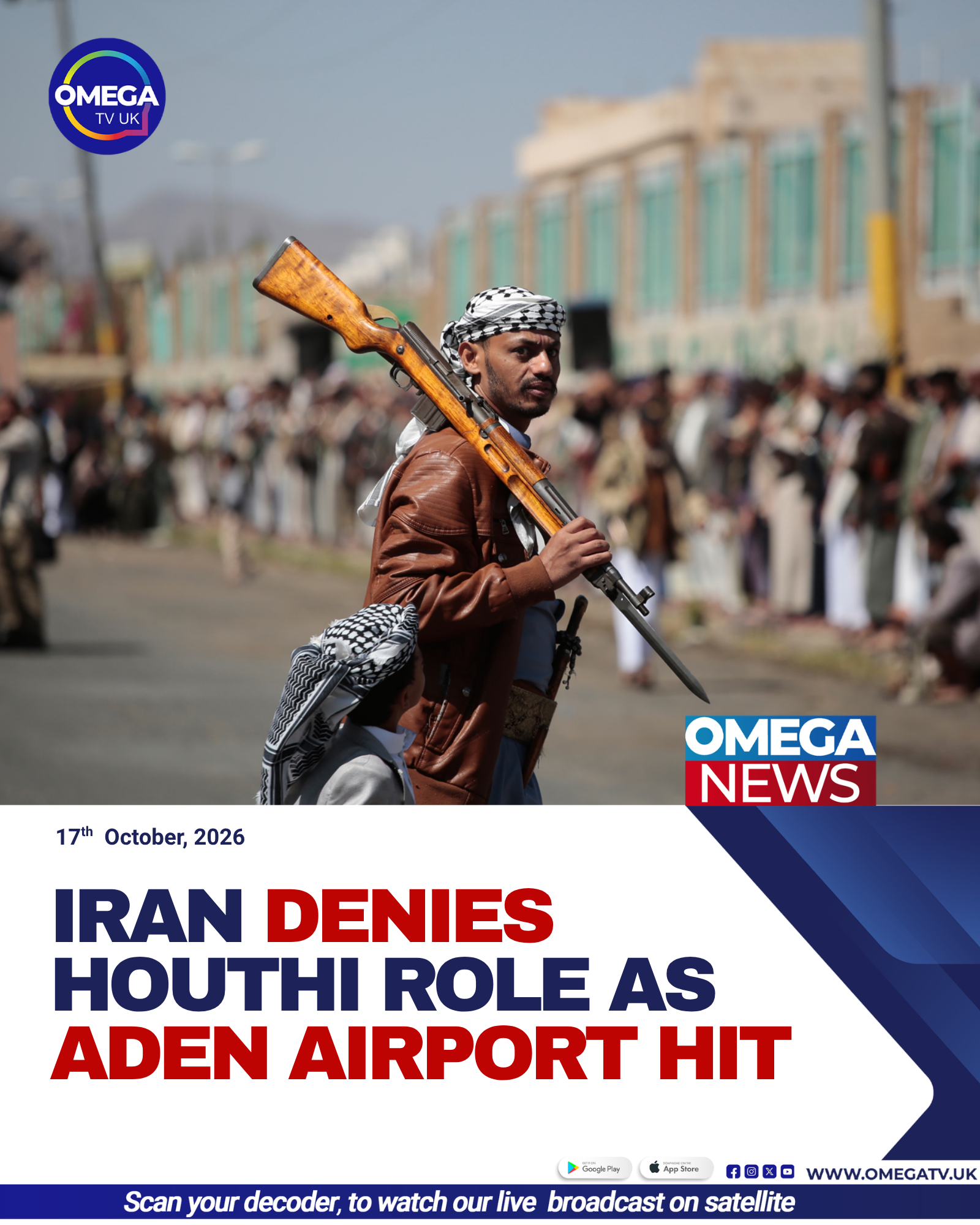
Iran Denies Houthi Role as Aden Airport Hit
Iran has rejected Saudi accusations that it is directing Houthi attacks, as two missiles struck Aden’s international airport amid growing cross-border hostilities.

Aden airport targeted again
Yemen’s international airport in Aden was hit by two missiles late Friday, marking the second such incident in less than two weeks. The Houthi rebels claimed responsibility, saying they had targeted the headquarters of the Saudi-led coalition backing Yemen’s internationally recognised government. The strikes come amid an intensifying campaign against Saudi Arabia. Since the beginning of October, the Houthis have launched more than 20 attacks on Saudi airports and energy infrastructure, according to the Saudi-led coalition, which said it intercepted additional missiles and drones on Friday.
Tehran rejects Saudi accusations
Riyadh has accused Iran of supporting the escalation, but Tehran denied involvement in the Houthi operations. Iranian Foreign Ministry spokesman Esmaeil Baqaei said Yemen’s Houthi forces made decisions based on their own interests and assessments. Baqaei also warned that escalating tensions would not benefit any party. He said Iran remained willing to use its diplomatic influence to help bring the hostilities to an end.
Saudi Arabia faces mounting pressure
The renewed attacks follow a surge in fighting since Yemen’s civil war intensified in July. Houthi forces have targeted Saudi interests, including Red Sea tankers, oil facilities and Riyadh’s international airport. An attack on the Saudi capital’s airport last week reportedly killed 13 people. Saudi deputy minister for public diplomacy Rayed Krimly said the Houthis had rejected an invitation to hold talks in Oman at the beginning of the latest hostilities. Tehran, meanwhile, has renewed its offer to mediate between the opposing sides.
Conflict threatens vital shipping routes
The Houthis expanded their campaign after launching an offensive in September that captured strategic territory along Yemen’s Red Sea coast. The area overlooks a key international shipping chokepoint, raising concerns about further disruption to maritime trade. The attacks are also increasing pressure on Saudi Arabia, the world’s largest oil exporter, as energy markets face wider instability following Iran’s closure of the Strait of Hormuz at the start of the broader Middle East war in February.