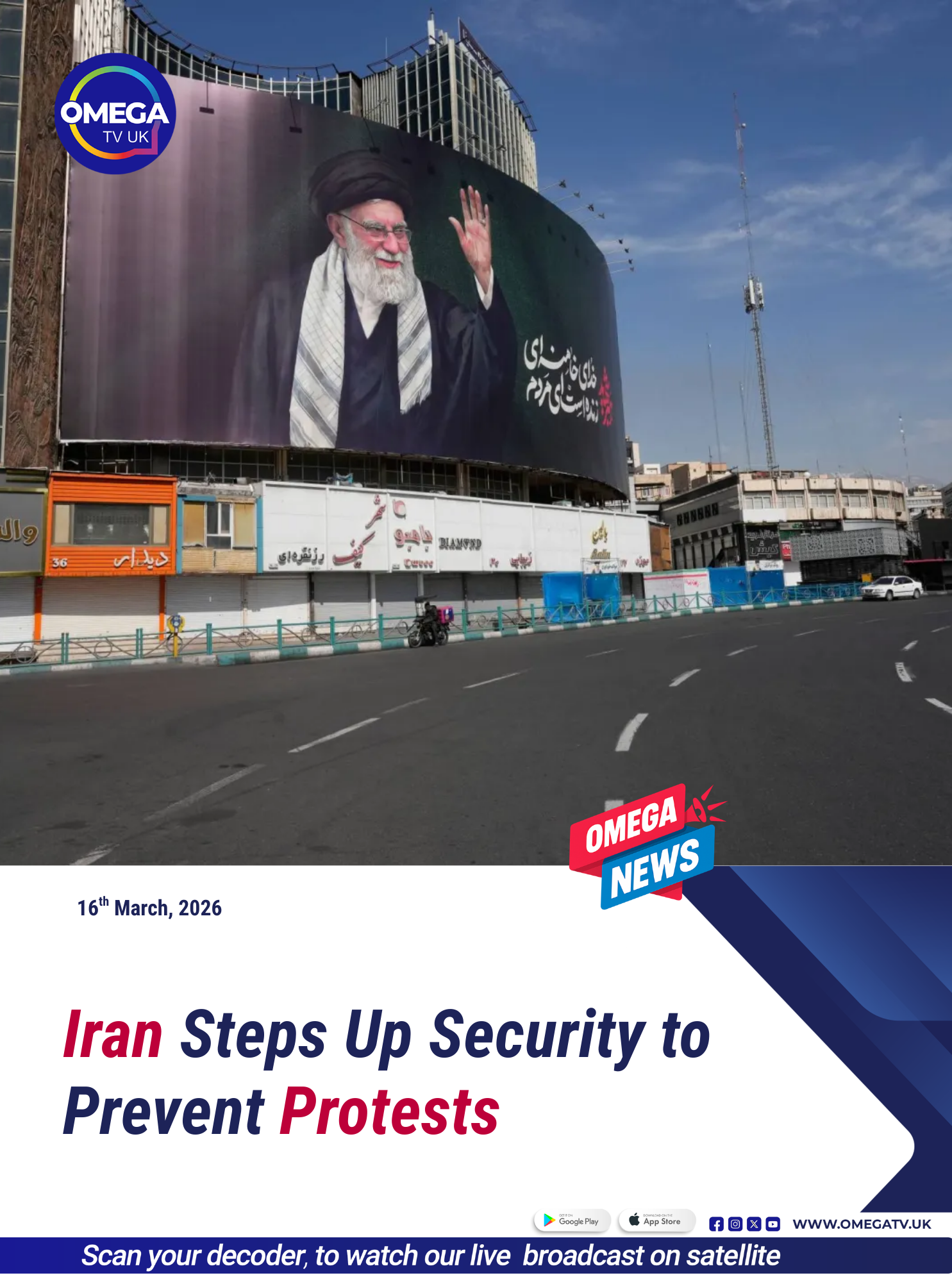
Iran is taking extensive steps to prevent anti-establishment protests in Tehran, residents have told the BBC. Security checkpoints are now widespread, some positioned under footbridges and inside tunnels after previous checkpoints were targeted by drone strikes.
Reports indicate that several Iranian security personnel were killed in Israeli strikes on four checkpoints in the capital. Residents describe heightened fear and cautious behavior, such as avoiding bright clothing and altering routines to avoid confrontation.
Internet restrictions remain in place, limiting coordination among protesters. Some residents have been using SpaceX’s Starlink to bypass blackouts, though authorities have arrested individuals selling unfiltered internet connections, with penalties of up to two years in prison. Domestic apps are available but seen as less secure for protest organization.
Authorities have also sent mass text warnings to residents, urging them to avoid protests and framing dissenters as enemies. The Iranian government has organized pro-establishment rallies, while night-time loudspeaker chants and flag-carrying supporters patrol the streets.
Officials, including Foreign Minister Abbas Araghchi, have defended limited internet access for government channels while blocking ordinary citizens. Journalists with special “white SIM cards” retain unrestricted access, underscoring the controlled flow of information.
Despite the heightened security, there have been no signs of mass anti-establishment protests like those in January, which led to the confirmed deaths of at least 7,000 civilians according to HRANA.
The government’s clampdown reflects fears of internal destabilization amid ongoing tensions with Israel and heightened regional conflict.