Israel launches massive air strikes across Lebanon as casualties surge
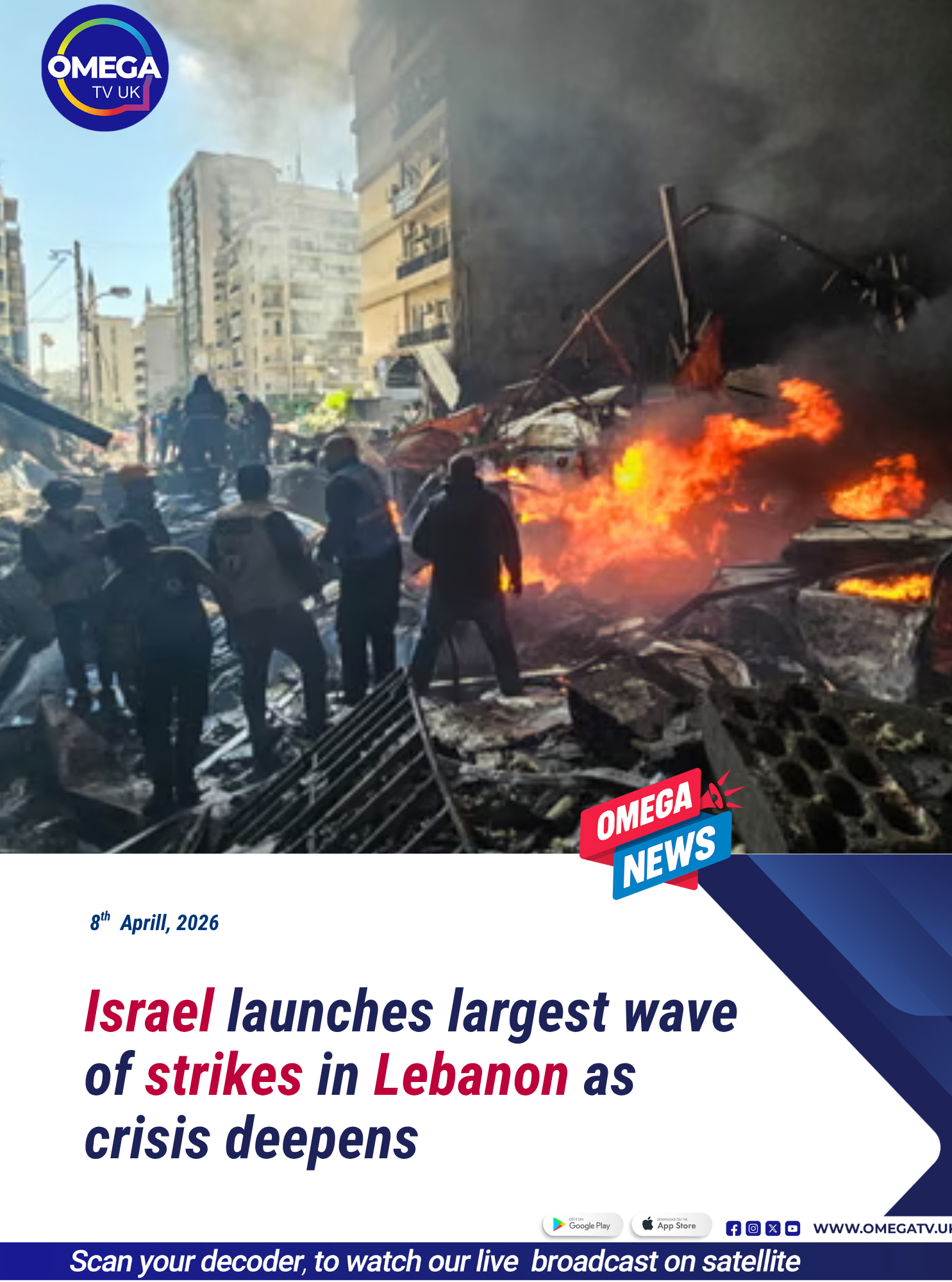
Israel has launched a massive wave of air strikes across Lebanon, marking one of the most intense escalations in the ongoing conflict between Israeli forces and Hezbollah.
The Israeli military said it struck more than 100 targets within just 10 minutes, describing the operation as the largest wave of attacks in the current conflict. The strikes targeted what Israel claims were Hezbollah command centres and military infrastructure.
Heavy bombardment hit multiple areas, including the southern suburbs of Beirut, southern Lebanon, and the eastern Bekaa Valley. Hospitals across the country have reportedly been overwhelmed, with a high number of casualties and many people believed to be trapped under collapsed buildings.
The latest escalation comes amid heightened regional tensions following a fragile ceasefire between the United States and Iran. Israeli Prime Minister Benjamin Netanyahu had earlier rejected claims that the ceasefire would extend to Lebanon.
Since the conflict intensified, more than 1,500 people have reportedly been killed in Lebanon, including at least 130 children. The humanitarian situation has worsened significantly, with over 1.2 million people displaced—roughly one in five of the population.
Entire villages near the border have been destroyed as Israeli forces attempt to establish what they describe as a security buffer zone aimed at pushing Hezbollah fighters away and dismantling their infrastructure. This has raised fears that some areas could remain occupied even after hostilities end, preventing displaced residents from returning home.
Hezbollah has not claimed any attacks since the US-Iran ceasefire announcement but has warned civilians not to return to affected areas without an official ceasefire in place. The group said it stands on the “threshold of a major historic victory,” even as it faces criticism within Lebanon.
The current phase of the conflict began after Hezbollah launched rockets into Israel, citing retaliation for regional developments and ongoing Israeli strikes. Since then, the fighting has escalated into one of the most destructive episodes in recent years.
Inside Lebanon, the war has deepened an already severe crisis. Schools have been converted into shelters, public spaces are overcrowded with displaced families, and sectarian tensions are rising as communities struggle to cope with the influx.
Lebanese President Joseph Aoun has indicated openness to direct negotiations with Israel—a rare move given the lack of formal diplomatic relations between the two countries. However, Israel has not responded to the proposal.
As the conflict continues, concerns are growing over the long-term humanitarian and political consequences, with no clear path toward a lasting ceasefire.