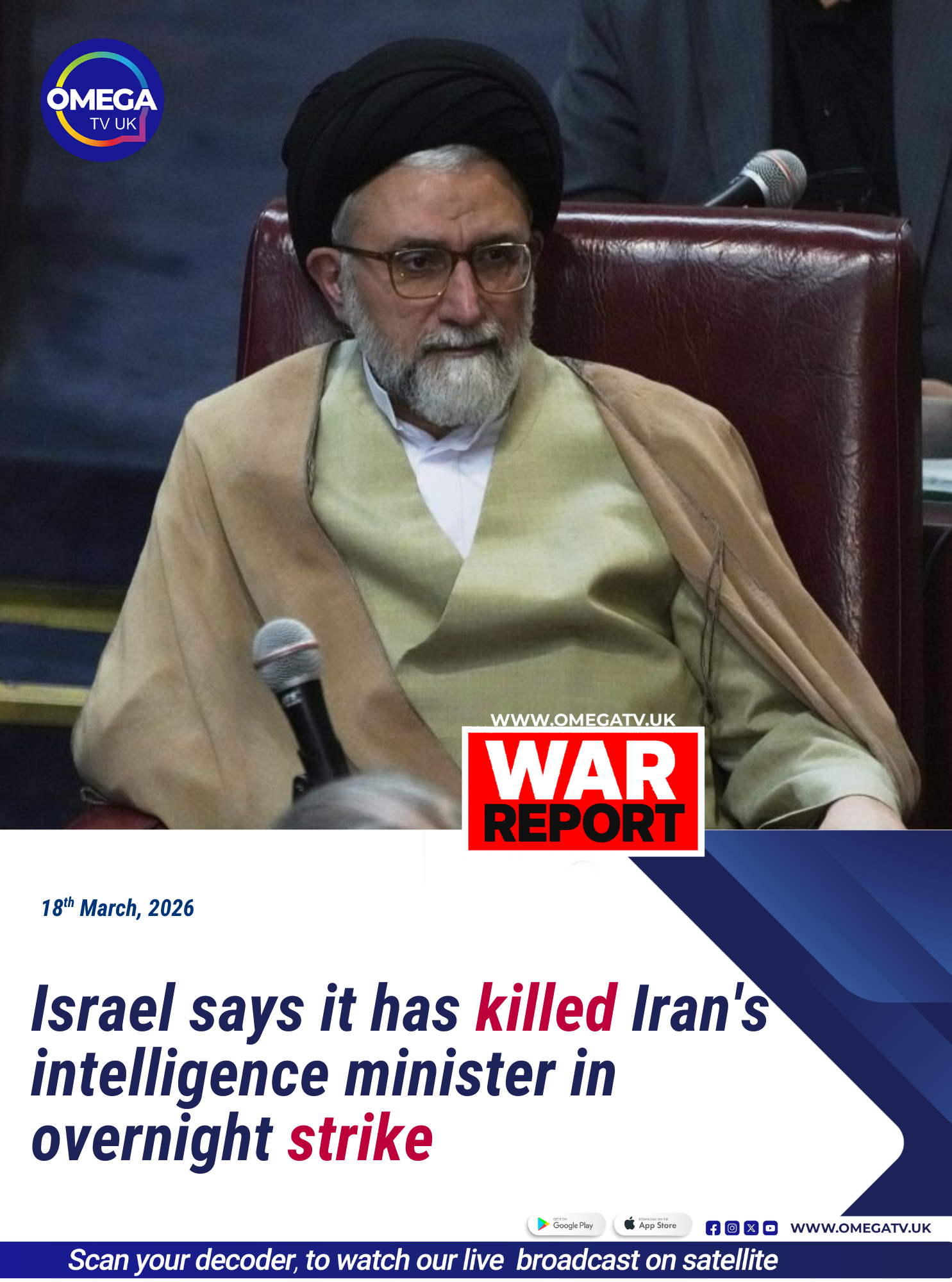
Tensions in the Middle East escalated sharply as Israel announced it has killed Esmail Khatib, Iran’s intelligence minister, in an overnight strike. This follows the death of Iran’s top security official, Ali Larijani, which occurred just a day earlier. Tehran has yet to comment on Khatib’s reported death.
In parallel, Israel launched multiple strikes on Beirut, targeting the Lebanese capital amid its ongoing offensive against Hezbollah. One explosion flattened a building in Beirut’s city centre — an area filled with businesses and hotels rather than Hezbollah strongholds — highlighting the increasing civilian risks.
Retaliatory attacks by Iran and allied militia groups are spreading across the region. In Israel, two people were killed in Tel Aviv, while blasts and drone interceptions were reported in United Arab Emirates, Qatar, Kuwait, Iraq, Bahrain, and Saudi Arabia.
Meanwhile, the United States military confirmed the use of bunker-busting “deep penetrator” bombs to strike Iranian missile sites along the Strait of Hormuz, a critical waterway for global oil shipments that has been effectively blocked by Iran since the war began.
In Iran, residents are living in fear. One woman described leaving home as “like gambling with my life,” reflecting the escalating anxiety among civilians as the conflict intensifies.
The recent developments mark a dangerous new phase in a conflict with wide-ranging implications across the Middle East, raising fears of a larger regional war and international economic repercussions.