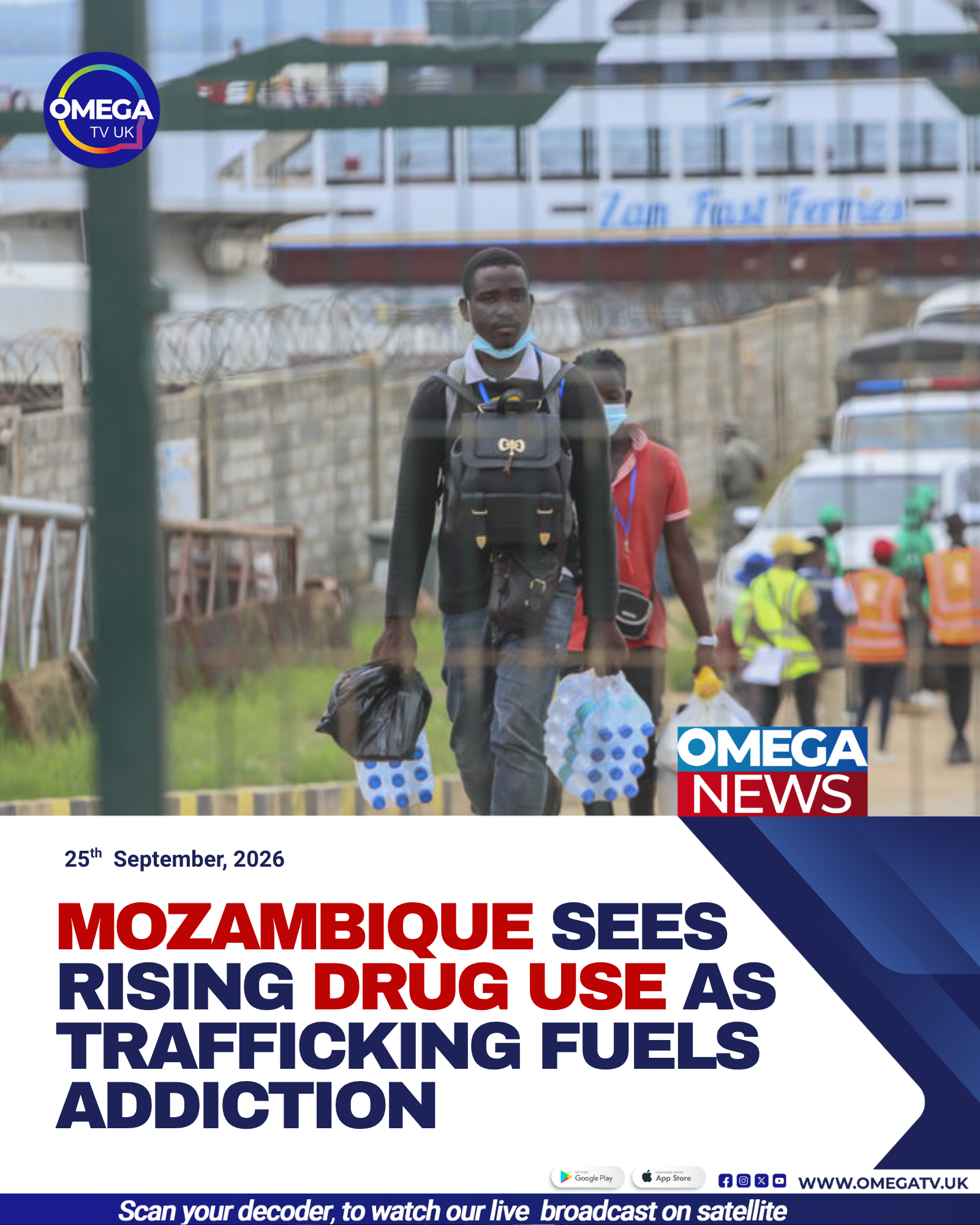
Mozambique sees rise in drug use as trafficking fuels addiction
Mozambique is increasingly becoming a consumer of illicit drugs rather than simply a transit point for international trafficking, according to officials and experts. The shift is placing additional pressure on communities and health services as more people become dependent on substances including cannabis, heroin, crack cocaine and methamphetamine.

Hospital Admissions Rise
Government figures show that hospital admissions linked to drug use increased by 38 percent last year to more than 32,280. Experts caution that the figure represents only part of the problem, as many people struggling with addiction do not receive medical or rehabilitation treatment.
Addiction Hits Young People
Among those affected is 27-year-old Elton Raimundo Joaquim, who said his drug use began while he was pursuing music. He later became dependent on cannabis, crack and heroin and resorted to stealing to fund his addiction. Joaquim said a previous attempt at rehabilitation was unsuccessful.
Rehabilitation Centres Under Pressure
Paulo Ferrao, a university graduate who entered the REMAR rehabilitation centre in Maputo four years ago, has since taken on responsibilities at the facility. He said access to drugs is becoming easier for young people and that the centre is receiving more cases involving crystal methamphetamine.
Methamphetamine Cases Increase
Ferrao said the growing number of methamphetamine cases suggests that Mozambique’s drug market is changing. He said traffickers appear to be expanding beyond heroin as demand develops for synthetic drugs, reflecting a wider diversification of illicit drug markets across Africa. The UNODC has also reported the rapid expansion of methamphetamine trafficking into African markets.
Mozambique’s Strategic Location
Mozambique’s position along major trafficking routes, its roughly 2,500-kilometre Indian Ocean coastline and porous borders make it attractive to international drug networks. Authorities say the country was traditionally used primarily as a transit route for drugs destined for other African and international markets.
Transit Route Becomes Consumer Market
José Bambo of Mozambique’s Central Office for the Prevention and Fight Against Drugs said the country was previously viewed mainly as a transit point. Authorities are now increasingly concerned that some of the drugs entering the country are remaining in local communities and contributing to domestic consumption.
Regional Cooperation
Mozambique is working with international anti-drug organisations and neighbouring countries including Tanzania and South Africa to strengthen enforcement. Authorities are sharing information and coordinating investigations to disrupt trafficking networks operating across national borders.
Mexican Suspects Arrested
Cooperation has also contributed to the extradition of six Mexican nationals from Botswana who are accused of involvement in drug manufacturing near Maputo. Authorities reportedly seized methamphetamine, manufacturing equipment and chemical precursors during an operation linked to the investigation.
Smuggling Methods Change
Mozambican authorities say traffickers are constantly changing how they move drugs across the country. Officials have reported drugs being concealed among everyday goods, including cosmetics, snacks and construction materials, making detection more difficult for law enforcement agencies.
Fentanyl Enters Market
Mozambique has historically been associated with heroin and methamphetamine trafficking, but authorities are also reporting the emergence of fentanyl and increased cocaine flows. More than five tonnes of fentanyl were reportedly seized this year, highlighting the changing nature of the country’s illicit drug market.
Cocaine Route Expands
Antonio De Vivo, the UN drugs office’s representative in Mozambique, said cocaine trafficking has increased through the so-called Lusophone route linking Brazil with Portuguese-speaking countries. He warned that when countries serve as transit points, some of the drugs moving through them typically remain for local consumption.
Synthetic Drugs Raise Concern
De Vivo said low-income countries with young populations are particularly vulnerable to cheaper synthetic drugs. Mozambique’s experience is part of a wider regional pattern in which drug trafficking networks are increasingly involved in local production and distribution. The UNODC has reported continued diversification of synthetic drug markets worldwide.
Treatment and Enforcement Challenges
Mozambique faces challenges in responding to the growing problem, including limited specialist personnel and inadequate equipment for detecting drugs. UNODC has supported the country with drug detection technology and training, including efforts that contributed to seizures of heroin and methamphetamine in 2025.
Growing Public Health Concern
Officials and experts warn that continued trafficking, local production and easier access could drive further increases in drug consumption. As Mozambique strengthens cooperation with regional and international partners, authorities face the combined challenge of disrupting trafficking networks while expanding prevention, treatment and rehabilitation services.