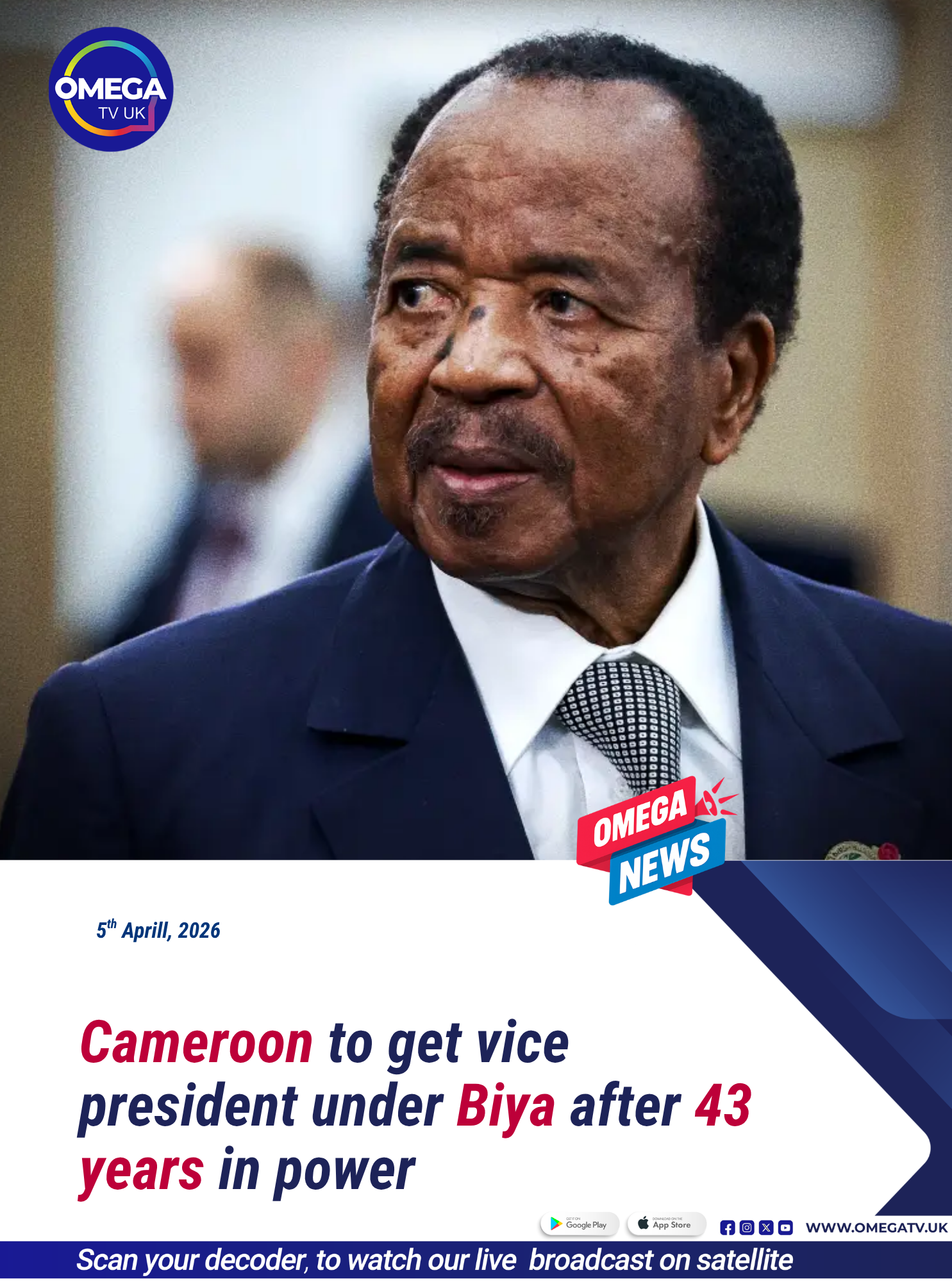
Cameroon is set for a major political shift after lawmakers approved constitutional changes that will introduce the role of vice-president for the first time in more than four decades under President Paul Biya.
At 93, Biya is widely regarded as the world’s oldest serving head of state, having ruled the country since 1982. Under the new reforms, a vice-president will be appointed and will automatically assume the presidency if the current leader dies or becomes incapacitated, completing the remainder of the presidential term.
The position of vice-president was originally abolished in 1972 when Cameroon transitioned from a federal system to a unitary state. Since then, the president of the Senate has been constitutionally mandated to act as interim leader in the event of a vacancy, overseeing the country until fresh elections are held.
The newly approved amendment changes that arrangement significantly. Instead of a temporary caretaker, the vice-president—appointed directly by the president—will now take over fully and remain in office until the next scheduled election. Supporters argue that this will ensure continuity and stability in governance, especially during periods of uncertainty.
The bill was passed during a joint sitting of parliament, with 200 lawmakers voting in favour, 18 against and four abstaining. It now awaits the president’s formal approval to become law.
Government supporters say the reform will improve efficiency by ensuring a clearly designated successor who can immediately take charge if necessary. They also argue that it will relieve the Senate of succession responsibilities, allowing it to focus more fully on legislative duties.
However, the move has sparked significant backlash from opposition figures and even some members of the ruling party. Critics argue that the changes were rushed through parliament without adequate consultation and are designed to consolidate power within the presidency.
The Social Democratic Front boycotted the vote, insisting that such a major constitutional reform should have involved broader national dialogue. The party had proposed that the vice-president be elected alongside the president, rather than appointed, to enhance democratic legitimacy.
It also called for reforms that reflect Cameroon’s linguistic divide between its English-speaking and French-speaking regions. Before 1972, the country’s leadership structure was designed to balance these communities, but critics say the current proposal ignores that historical context.
Opposition leader Joshua Osih described the reform as a missed opportunity for meaningful political progress, while Maurice Kamto went further, calling it a “constitutional and institutional coup.” Kamto accused the government of attempting to create what he termed a “republican monarchy” and announced plans to mobilise opposition through an online campaign.
The debate comes amid long-standing speculation about Biya’s health and succession. Although rumours about his condition have circulated for years, they are rarely discussed publicly, and the president has repeatedly dismissed such concerns by reappearing after extended absences.
Biya’s extended tenure—spanning more than 40 years—has made the question of succession one of the most pressing issues in Cameroonian politics. Despite winning an eighth term in office last year with 53.7% of the vote, an election the opposition claims was flawed, uncertainty about the country’s future leadership remains.
With the constitutional changes now in place, attention is shifting to who might be appointed as vice-president. The decision could play a crucial role in shaping Cameroon’s political direction in the years ahead.
While supporters frame the reform as a step toward stability, critics warn it may further entrench executive power. As the country awaits Biya’s final approval of the amendment, the introduction of a vice-presidential role has already intensified national debate over governance, legitimacy and the future of leadership in Cameroon.