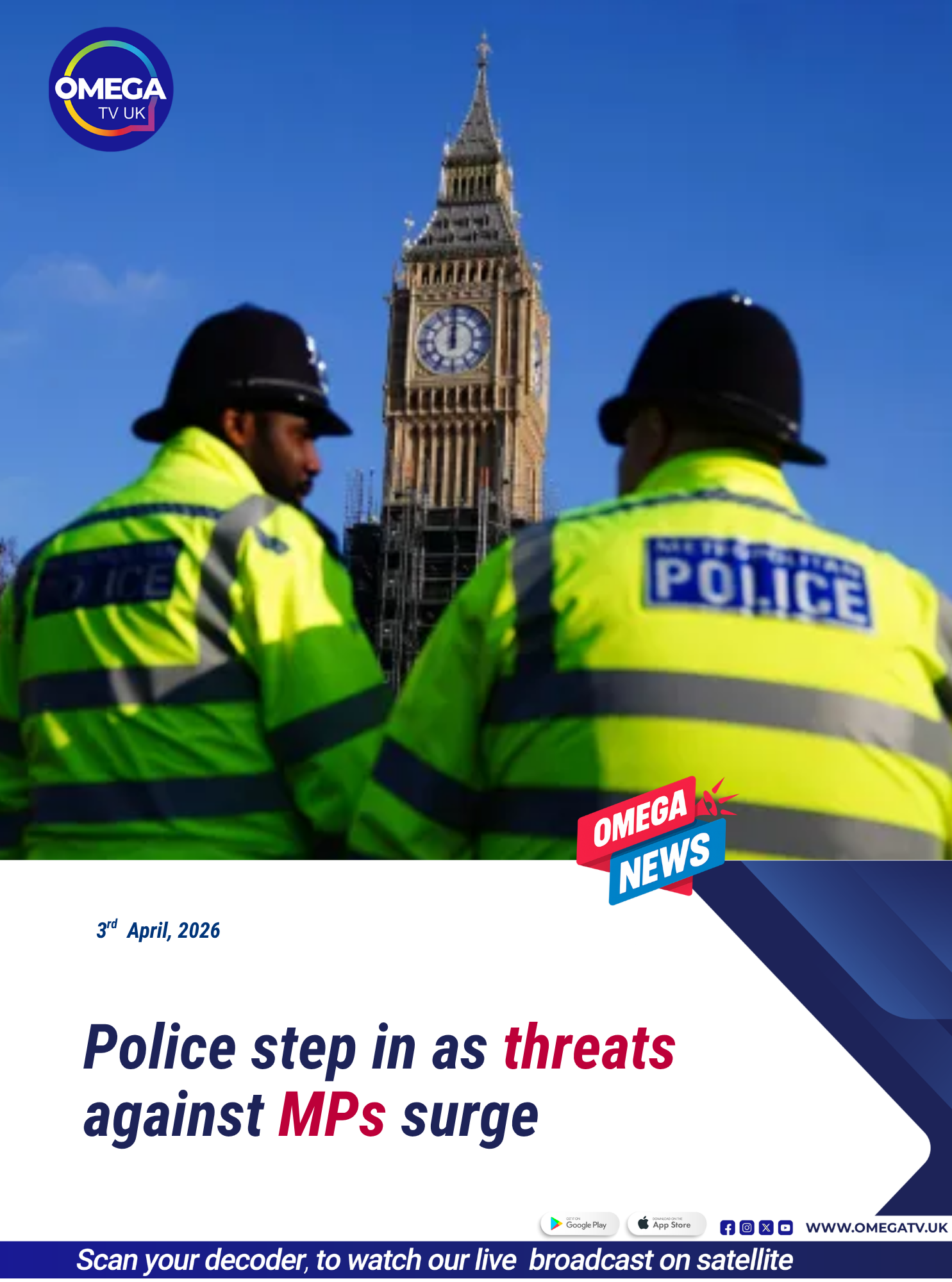
Police across the United Kingdom are being offered enhanced support to combat a growing wave of threats and abuse directed at elected officials, with a new national initiative aimed at protecting democracy and those who serve within it.
The move comes as reports of crimes against Members of Parliament (MPs) have more than doubled in recent years, highlighting what officials describe as an escalating and deeply concerning trend. Nearly 1,000 incidents were recorded last year alone, driven largely by harassment, malicious communications, and threats to kill.
At the centre of the new effort is Chris Balmer, who has been appointed to lead the national democracy protection initiative. His role will involve coordinating intelligence on threats, supporting investigations, and helping police forces better categorise and respond to what are now being described as “anti-democratic crimes.”
The initiative is backed by Dan Jarvis, who has warned that the level of abuse facing politicians is unprecedented. He emphasised the need for law enforcement to adapt quickly to the evolving nature of threats, particularly as they increasingly spread through online platforms.
Data shows a sharp rise in incidents over time. Between 2019 and 2025, more than 4,000 crimes were reported to the Metropolitan Police’s Parliamentary Liaison Team. The number of reported offences rose from 364 in 2019 to 976 in 2025, reflecting a steady upward trend.
The majority of cases involved malicious communications, which accounted for over 2,000 incidents during the six-year period. Harassment and criminal damage were also among the most frequently reported offences. Notably, 50 death threats were recorded in 2025 alone, an increase from the previous year.
Despite the alarming figures, MPs say the true scale of the problem may be even greater, as many incidents go unreported. Some politicians have described receiving threats so frequently that they have become almost routine.
Security measures for MPs have been strengthened in recent years, particularly following the killings of Jo Cox and David Amess. These tragedies prompted the introduction of enhanced protection programmes, including Operation Bridger, which provides additional security for MPs’ homes and constituency offices.
However, many lawmakers argue that more needs to be done. Labour MP Sam Rushworth shared his personal experience of dealing with repeated death threats from an individual who targeted him both online and offline. The threats became so severe that he installed panic buttons and surveillance systems at his home.
Rushworth said the situation had a profound impact on his family, with his children expressing fear and his partner considering moving house. He also pointed to the role of misinformation and online discourse in fuelling hostility toward politicians.
Another MP, Natalie Fleet, described receiving death threats on a daily basis. She said the constant abuse has forced her to spend significant time working with police to ensure her safety, taking her away from her primary role of serving constituents.
Fleet recalled a particularly alarming incident in which a social media post appeared to call for her to be shot. The message was widely shared before being addressed, leading to a surge in threats against her.
Authorities are increasingly concerned about the broader implications of such behaviour. According to Balmer, threats are not limited to online abuse but also include real-world risks. He warned that these threats should not be dismissed as empty, noting that past incidents have shown they can have deadly consequences.
The new democracy protection unit will operate under the National Police Chiefs’ Council, bringing together expertise from across the country. It aims to provide a more coordinated and proactive response to threats, ensuring that police forces are better equipped to handle the growing challenge.
The initiative also seeks to address disparities in how threats affect different groups. Female politicians and those from ethnic minority backgrounds are reported to face disproportionately high levels of abuse, a trend that officials say requires targeted intervention.
As the UK grapples with rising political tensions and the impact of social media on public discourse, the safety of elected representatives has become a pressing issue. The creation of this new unit reflects a broader recognition that protecting politicians is not just about individual security, but about safeguarding the democratic process itself.