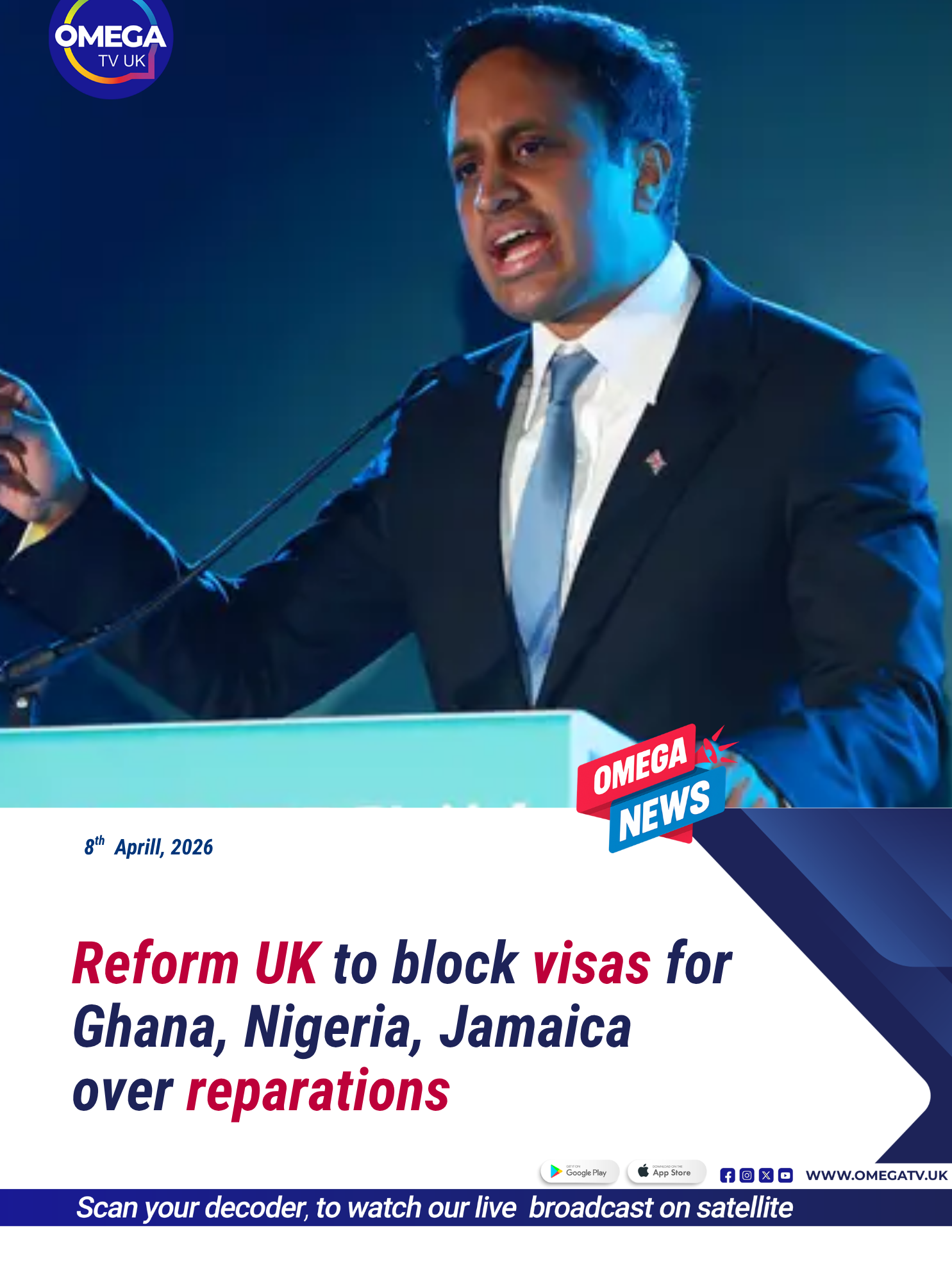
A controversial proposal by Reform UK to block visas for citizens of Ghana, Nigeria, and Jamaica has sparked debate following a landmark decision by the United Nations recognising the transatlantic slave trade as “the gravest crime against humanity.”
The UN resolution, passed on Wednesday, has been widely welcomed across Africa and the diaspora, particularly in West Africa, which was heavily impacted by the slave trade. The move is seen as a significant step toward acknowledging historical injustices and advancing calls for reparations.
African Union leaders praised the resolution, describing it as a milestone in the pursuit of truth, justice, and healing. The AU also reiterated calls for reparative justice, highlighting the lasting social and economic consequences of slavery.
The resolution was spearheaded by Ghana and received strong support from countries including Benin and Togo. These nations were central to the transatlantic slave trade, with ports such as Ouidah and Lagos serving as major departure points for enslaved Africans transported to the Americas.
Speaking after the vote, Wenceslas Avosse of Benin described the decision as a “historic moment” and a powerful recognition of the suffering endured by Africans and their descendants.
However, the resolution faced opposition from the United States and several European nations, reflecting ongoing divisions over how to address the legacy of slavery.
Amid this backdrop, Reform UK’s reported proposal to impose visa restrictions on certain countries has drawn criticism, with many viewing it as a political response to increasing calls for reparations. Critics argue that such measures risk deepening diplomatic tensions and undermining international cooperation.
The transatlantic slave trade, which lasted for centuries, saw millions of Africans forcibly taken from their homes and transported across the Atlantic under brutal conditions. West Africa was particularly affected, serving as a major hub for slave traders.
The UN’s recognition of the trade as the gravest crime against humanity is expected to intensify global discussions around accountability, historical justice, and compensation.
While supporters see the resolution as long overdue, opponents remain concerned about the political and financial implications of reparations.
As the debate continues, the issue is likely to remain a key point of tension in international relations, especially between African nations and Western countries.