Russia Open to Ukraine Peace Talks
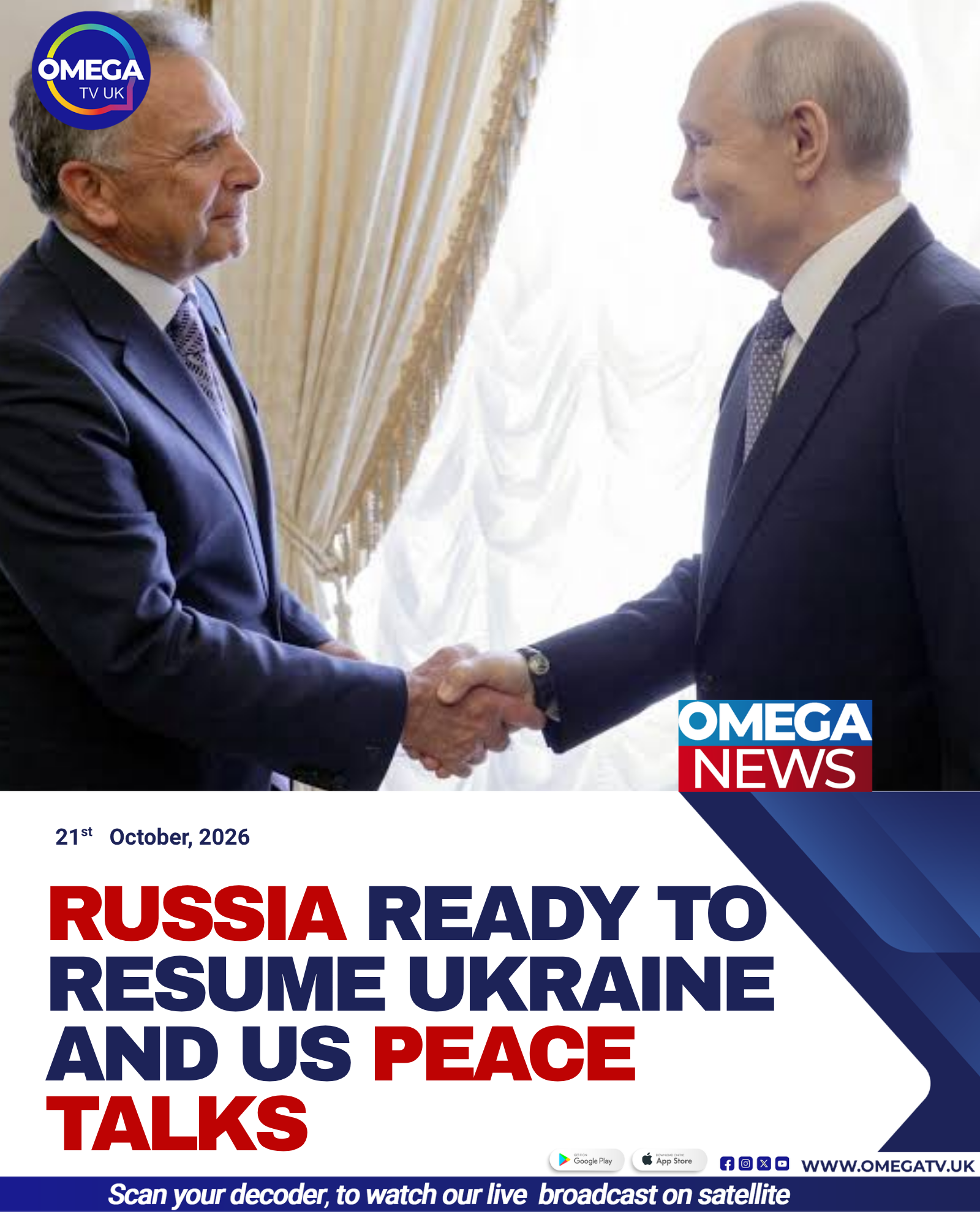
Russia says it is ready in principle to resume negotiations with Ukraine and the United States to end the war, raising the possibility of fresh trilateral talks next month after meetings between Russian President Vladimir Putin and US envoy Steve Witkoff.

New Talks Could Begin in November
Yuri Ushakov, Putin’s senior foreign policy aide, said Russia was prepared to return to negotiations following Wednesday’s meeting between Putin and Witkoff in St Petersburg. Ushakov suggested another round of talks could take place around 10 November in Abu Dhabi, the capital of the United Arab Emirates.
He stressed that discussions should focus on establishing a security system for Russia and Ukraine after the conflict ends.
A US official later confirmed that Witkoff and President Donald Trump’s son-in-law, Jared Kushner, had proposed a trilateral meeting involving technical-level representatives from the US, Russia and Ukraine. According to the official, both Ukrainian and Russian representatives had accepted the proposal following separate discussions in Oslo and St Petersburg.
Disagreement Over Peace Proposals
Witkoff travelled to Russia after meeting Ukrainian President Volodymyr Zelensky and the leaders of Norway and Finland in Oslo on Monday. Zelensky said the discussions covered strong security guarantees for Ukraine and proposals for an energy ceasefire.
However, Ushakov dismissed the ideas as not particularly useful, highlighting the continued differences between the two sides over how a settlement should be reached.
Ukraine and its European allies have been pressing Moscow to resume negotiations that were suspended in February. Russia had resisted further talks, with its leadership maintaining that its forces held the advantage on the battlefield.
Putin Claims Russian Forces Are Advancing
Following his meeting with Witkoff, Putin reiterated that Russian troops were advancing across the front line and maintaining what he described as a strategic initiative.
Ukraine and its European partners dispute that assessment, arguing that the battlefield situation remains close to a stalemate.
Russia also blamed Ukrainian strikes during its recent general elections for disrupting previous diplomatic efforts, adding another point of disagreement between the countries.
US-Ukraine Relations Under Strain
The diplomatic developments come amid growing tensions between Washington and Kyiv. Trump has questioned Zelensky’s leadership and suggested Ukraine should have a different person negotiating on its behalf.
Trump has also blamed Ukrainian attacks on Russian oil refineries for rising fuel prices in the United States, where energy costs have increased amid the US-led war on Iran.
His administration has faced criticism after easing certain Russian sanctions to allow diesel exports to reach the American and global markets. The decision drew objections from Zelensky and European allies, particularly after Washington had recently signed legislation authorising additional sanctions and tariffs against countries importing Russian oil and gas.
Intelligence Sharing and Starlink Dispute
Relations were further strained last week when Kyiv accused Washington of withholding intelligence needed to warn civilians about incoming Russian ballistic missile attacks. US Secretary of State Marco Rubio rejected the allegation as “scandalous”.
Zelensky subsequently said intelligence sharing had resumed following the Oslo talks.
Ukraine has also raised concerns about speed restrictions affecting its military use of Starlink, the satellite internet service owned by Elon Musk. Ukrainian forces said the restrictions had limited their ability to use drones for strikes against Russian targets. US officials denied requesting the slowdown, while a bipartisan group of senators called for an investigation.
American Prisoner Released
Before the Putin-Witkoff meeting, Russia released Stephen Hubbard, a 74-year-old American who had been sentenced to nearly seven years in prison after being accused of fighting for Ukraine.
Trump said Hubbard was on his way home and insisted that no prisoner exchange had been necessary. Witkoff praised Putin for approving the release, describing the decision as humanitarian.
US Vice-President JD Vance defended Witkoff’s remarks, saying the envoy’s role was to conduct diplomacy and secure the American’s return to his family.
The potential resumption of trilateral negotiations represents a possible opening for further diplomatic engagement, although major disagreements remain over security guarantees, battlefield conditions and the terms of any peace settlement.