Three Muslim-majority nations pledge collective security as Middle East tensions escalate
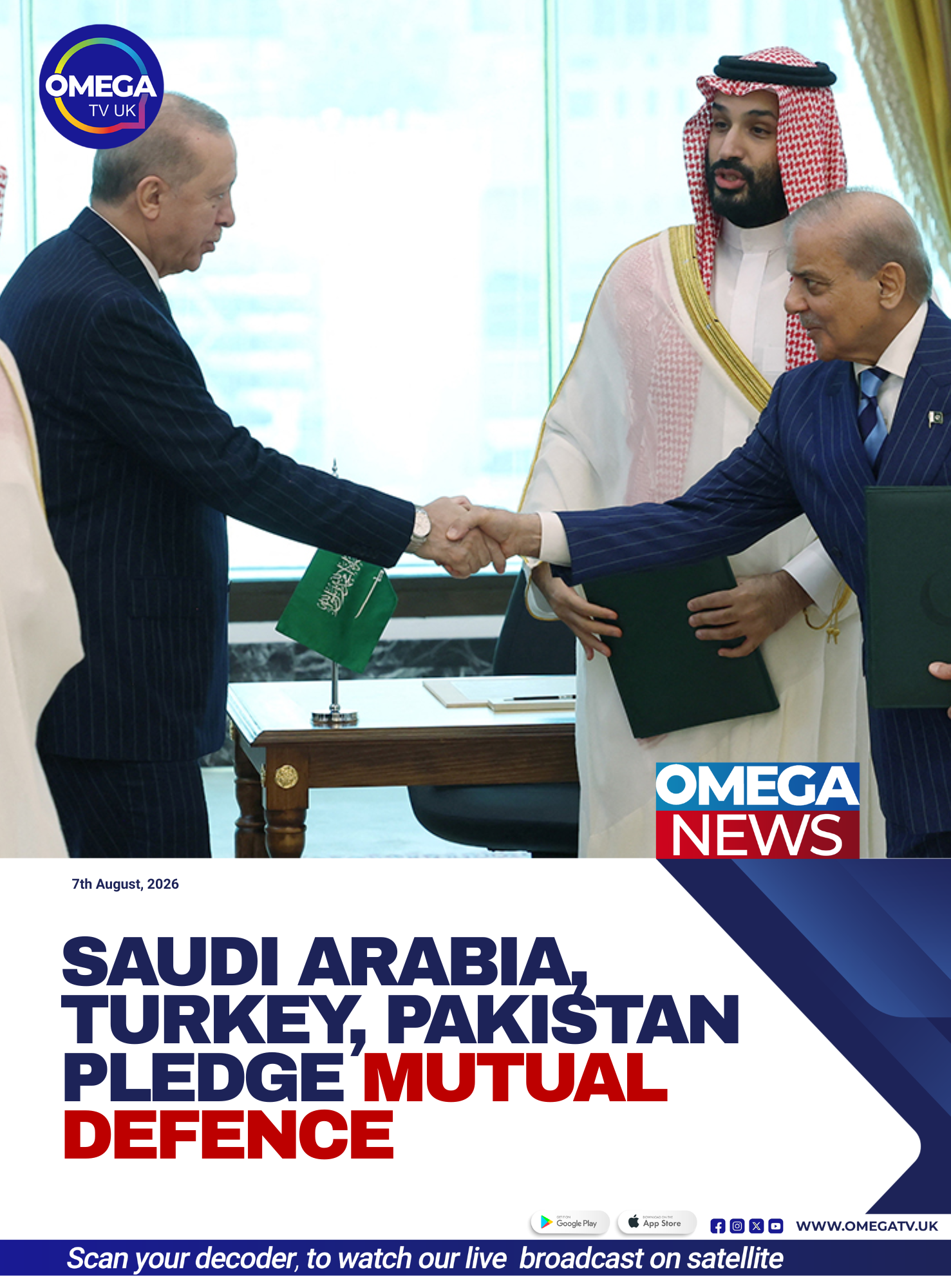
Saudi Arabia, Turkey and Pakistan have signed a joint defence agreement in Mecca, pledging to support one another in the event of an armed attack as conflict and instability continue to spread across the Middle East.

The agreement, signed on Friday, establishes that an armed attack against any one of the three countries would be regarded as an attack against all three.
The countries said the Mecca Joint Defence Agreement is intended to strengthen collective deterrence, security and stability in the region while promoting peace.
Pact described as defensive
A Turkish official said the agreement contains a collective defence clause but is “purely defensive in nature”, with the three countries committed to supporting one another only for defence purposes.
The official said the pact was not directed against any specific country and could remain open to other nations in the region. It also does not replace existing bilateral or multilateral defence agreements.
The agreement comes as Saudi Arabia and other Gulf states face growing security threats amid the wider conflict involving Iran, Israel and their regional allies.
Powerful political symbolism
The meeting in Mecca carries significant political symbolism because the three countries are among the most influential Muslim-majority states.
Turkey has NATO’s second-largest military, Saudi Arabia is a major oil producer and home to Islam’s two holiest sites, while Pakistan is the world’s only nuclear-armed Muslim-majority country.
Abdulaziz Sager, chairman of the Saudi-based Gulf Research Center, said the agreement demonstrated a growing willingness among regional powers to cooperate more closely on security.
He said stronger institutional cooperation could increase the three countries’ diplomatic and defence influence while contributing to a more regionally driven security system.
Saudi Arabia faces growing threats
Saudi Arabia has faced repeated attacks from Iran and groups allied with Tehran since the conflict escalated on February 28.
The fighting has also disrupted shipping through the Strait of Hormuz, a major global energy route that previously carried around one-fifth of the world’s energy supplies.
The disruption has raised concerns in Riyadh over oil exports, economic development plans and the reliability of its longstanding security relationship with the United States.
A senior Saudi official said Riyadh expects coordinated attacks from Iraqi militias and Yemen’s Houthi movement, both of which are backed by Iran.
Longstanding military ties
The new agreement builds on years of defence cooperation between the three countries.
Pakistan has provided military training and technical assistance to Saudi forces for decades, while Turkey and Pakistan have expanded cooperation involving warships, aircraft and military training.
In 2023, Saudi Arabia agreed to purchase Turkish drones in what Ankara described as its largest defence export agreement.
Pakistan has also deployed thousands of troops, fighter jets, drones and an air-defence system to Saudi Arabia, according to previous reports.
Regional security concerns
Turkey and Pakistan have largely avoided direct attacks linked to the current conflict but remain concerned about the impact of regional instability on their security and economies.
For Saudi Arabia, however, the consequences have been more immediate, with attacks threatening energy infrastructure and commercial activity.
The defence pact therefore marks a significant step in closer military coordination between three major regional powers as tensions continue to reshape the Middle East’s security landscape.