The government of Senegal has imposed a ban on all non-essential foreign travel for ministers as rising global oil prices begin to strain the country’s economy. The decision, announced by Prime Minister Ousmane Sonko, reflects growing concern over the financial impact of the ongoing conflict involving Iran.
Speaking at a youth rally on Friday, Sonko explained that the cost of a barrel of oil is now approaching nearly double the level anticipated in the national budget. This sharp increase has forced the government to adopt urgent cost-cutting measures in order to manage its finances.
As part of the restrictions, Sonko confirmed that he has postponed planned visits to Niger and Spain. He also indicated that further steps to reduce public spending would be announced soon, with the mines minister expected to outline additional measures in the coming days.
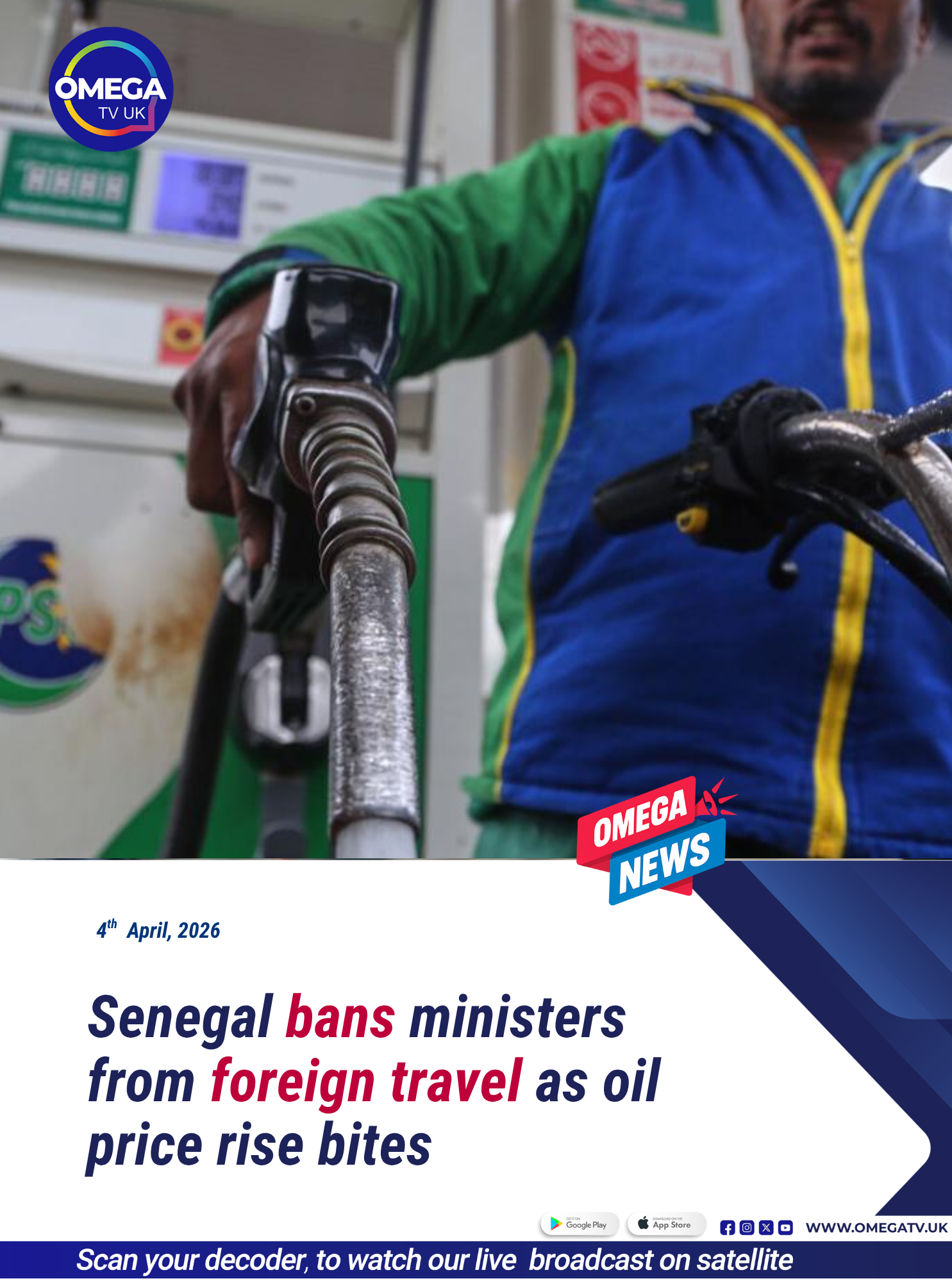
Senegal’s move highlights the broader impact of rising energy prices across Africa. Although the country has recently begun developing its own oil and gas resources, it remains heavily dependent on imported fuel, leaving it vulnerable to global market fluctuations.
The surge in oil prices has been largely driven by tensions in the Middle East, particularly disruptions linked to the Strait of Hormuz, a key global shipping route for energy supplies. As prices climb, governments across Africa are being forced to respond in different ways to cushion the economic blow.
Despite the current challenges, Senegal’s economy has shown resilience in recent years. The International Monetary Fund previously described the country’s economic performance as strong, citing growth of nearly 8% and relatively low inflation. However, the country is also burdened by significant public debt, which now exceeds 130% of its annual economic output.
Sonko blamed previous administrations for the high debt levels, arguing that they have made it more difficult for his government to navigate the current crisis. He acknowledged the hardships facing the country but emphasised the resilience of the Senegalese people, urging young citizens not to lose hope.
Across the continent, other nations are taking similar steps to cope with rising fuel costs. In South Africa, the government has reduced fuel taxes in an effort to ease pressure on consumers. Meanwhile, Ethiopia has experienced fuel shortages severe enough to force some public institutions to send workers on leave.
In South Sudan, authorities have begun rationing electricity in the capital, Juba, while Zimbabwe is increasing the ethanol content in petrol to stretch limited supplies.
The crisis is also beginning to affect agriculture. The disruption of shipping routes has restricted the global supply of fertiliser, a vital resource for farming. An estimated 30% of the world’s fertiliser passes through the Gulf region, making any disruption a significant concern for food production.
The International Rescue Committee has warned that the situation could become a “food security timebomb,” particularly for East African countries that rely heavily on fertiliser imports from the Middle East.
As global tensions continue to push energy prices higher, Senegal’s travel ban underscores the urgent measures governments are taking to stabilise their economies. While such steps may help reduce spending in the short term, the broader economic challenges posed by rising fuel costs and supply disruptions are likely to persist.