South Africa accepts US envoy amid tensions over politics and diplomacy
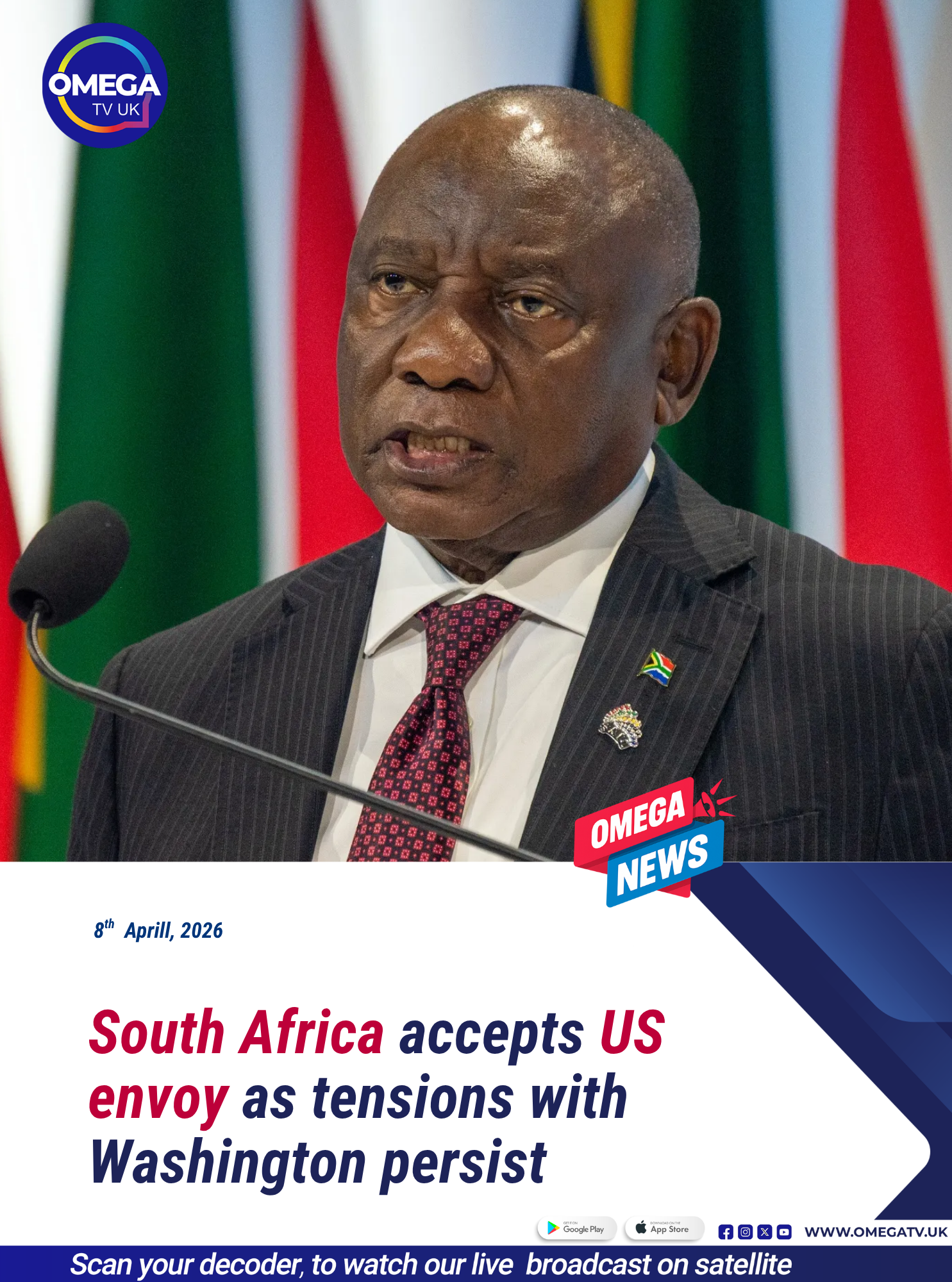
Cyril Ramaphosa has formally accepted the credentials of the new United States ambassador, Brent Bozell, in a symbolic move aimed at maintaining diplomatic ties despite ongoing tensions between the two nations.
The ceremony took place at the Sefako Makgatho Presidential Guest House in Pretoria, where Bozell was welcomed with a guard of honour before presenting his credentials. The appointment comes at a time when relations between South Africa and the United States remain strained.
Bozell, a conservative media figure and strong supporter of Donald Trump, assumed office earlier this year but quickly stirred controversy with comments on South Africa’s racial policies and judicial decisions.
Despite the rocky start, the envoy struck a more diplomatic tone during the ceremony, expressing admiration for his host country. He said he had “fallen in love” with South Africa within two months and emphasized shared values and mutual interests between the two nations.
President Ramaphosa, however, used the occasion to underline expectations for diplomatic conduct. He stressed that envoys should respect national sovereignty and avoid public criticism, instead addressing concerns through “quiet, constructive channels.”
Relations between Pretoria and Washington have deteriorated over several issues. One major point of tension has been South Africa’s genocide case against Israel, a close ally of the United States.
Further strain has come from controversial remarks by Trump and his allies, including claims that white Afrikaners in South Africa are facing persecution—an assertion widely disputed within the country.
Bozell himself was recently summoned by South African authorities after making what were described as “undiplomatic remarks.” He had labelled the apartheid-era chant “Kill the Boer, kill the farmer” as hate speech and criticised policies aimed at addressing historical racial inequalities.
South African courts, however, have ruled that the chant does not constitute hate speech when viewed in its historical context linked to the anti-apartheid struggle. Following the backlash, Bozell appeared to soften his stance, acknowledging respect for the country’s judicial independence.
Diplomatic relations were further complicated last year when the United States expelled South Africa’s ambassador, Ebrahim Rasool, after he criticised Trump’s political movement. A replacement for Rasool has yet to be appointed.
Despite these tensions, economic ties between the two countries remain significant. South Africa is the United States’ largest trading partner on the African continent, hosting more than 500 American businesses and tens of thousands of US citizens.
The acceptance of Bozell’s credentials signals a willingness from both sides to keep diplomatic channels open, even as political disagreements continue to test the relationship.