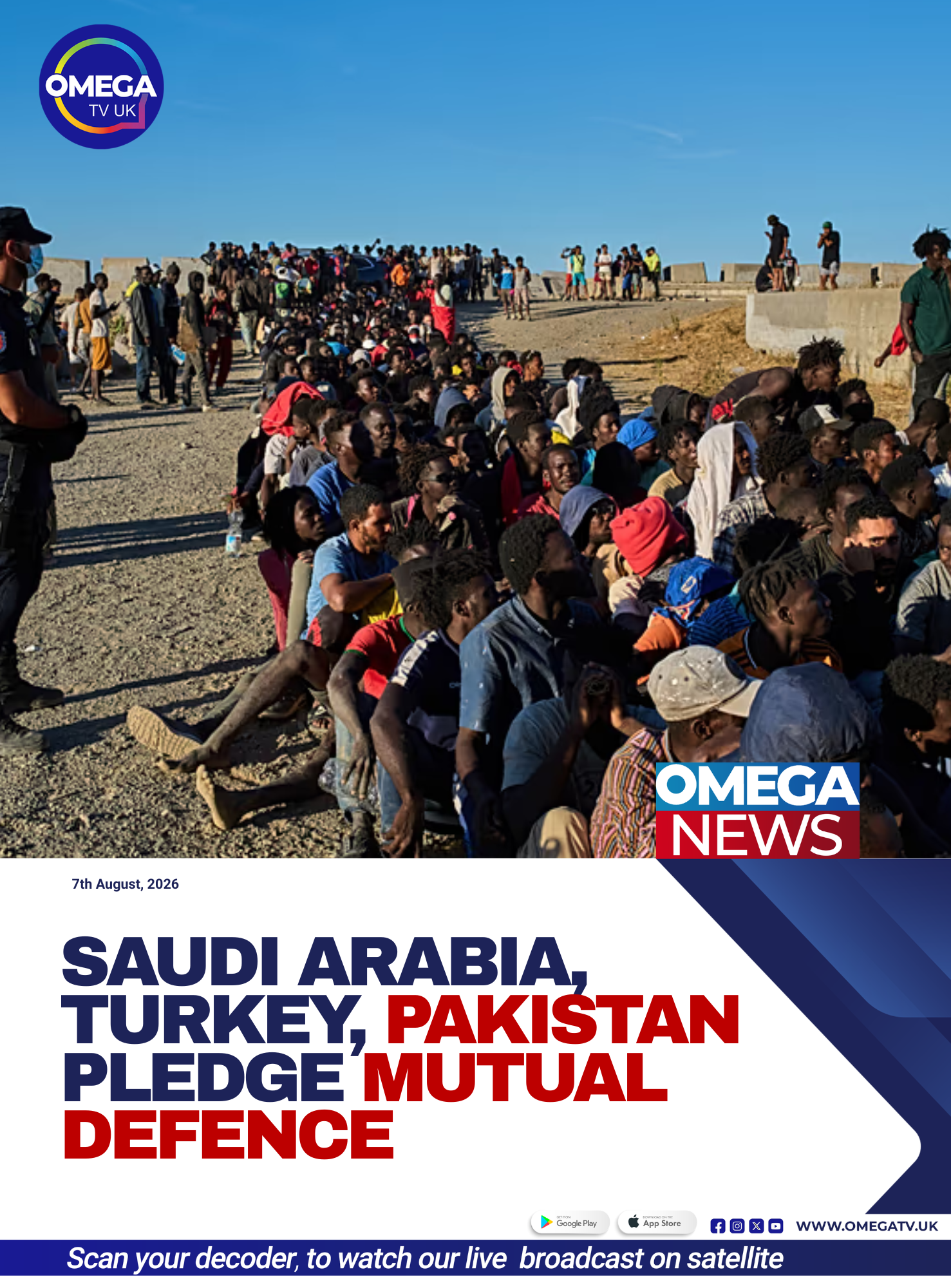
Madrid introduces checks on Italian arrivals as tensions between the two EU countries escalate

Spain has imposed temporary border controls on air and sea travellers arriving from Italy as a dispute between the two European Union countries intensifies over migration.
The measures began at midnight and will remain in place for one month, unless circumstances change. Spain said the checks were necessary because of continued irregular migration pressure following a major influx of migrants into the Spanish exclave of Ceuta.
The move came after Italy introduced similar restrictions on travellers arriving from Spain last week.
Dispute over migrant movement
Italy imposed its controls following the arrival of around 78,000 migrants from Morocco into Ceuta. Rome said the measures were intended to prevent people who had entered the Spanish territory from travelling onward to Italy.
Madrid rejected that explanation, arguing that the migrants who entered Ceuta had no route into the wider Schengen area and describing Italy’s justification as lacking a factual basis.
Spain subsequently demanded that Italy remove its restrictions by Sunday.
Italy rejected the demand, saying it would maintain the measures until at least 15 August and would not accept what it described as ultimatums from Madrid.
Checks affect non-EU travellers
Under Spain’s new measures, authorities will carry out passport, nationality and visa checks on Italian passengers and travellers from other countries arriving from Italy.
Spain said the controls would remain until 7 September unless the circumstances that led to their introduction change.
Italy has maintained that its additional checks do not apply to Spanish citizens and are focused on people from outside the European Union.
However, reports have indicated that passengers travelling from Spain to Italy have experienced longer queues and waiting times at some airports.
Political tensions rise
The dispute has placed Spain’s socialist Prime Minister Pedro Sánchez against Italy’s conservative Prime Minister Giorgia Meloni, who has consistently called for tougher European migration policies.
Italy’s decision to suspend parts of the Schengen arrangements received support from Finland and Denmark, while the Czech Republic called for Spain’s participation in the agreement to be temporarily suspended.
Temporary border controls within the Schengen area are not unprecedented, with Italy also maintaining checks along its border with Slovenia.
Ceuta remains under pressure
Most of the migrants who entered Ceuta during last week’s influx were returned within several days. However, nearly 1,400 minors remain in the Spanish territory.
Spain has not officially confirmed that another major crossing attempt is expected, although reports of social media activity encouraging another influx have raised concerns.
The Spanish government says it is monitoring the situation but does not currently expect a repeat of the previous scenes.
Morocco and Spain dispute border issue
The reasons behind the large-scale crossings remain unclear. EU Migration Commissioner Magnus Brunner has suggested that criminal networks may have used disinformation to encourage the crossings, an explanation supported by the Spanish government.
The crisis followed a Spanish Supreme Court ruling that migrants intercepted at sea while attempting to reach Ceuta or Melilla cannot simply be returned to Morocco.
Morocco has criticised the ruling, while the two countries continue to disagree over the status of Ceuta and Melilla, Spanish territories that Morocco does not recognise as being under Spanish sovereignty.
The latest border measures have added another layer to the diplomatic dispute, raising concerns about the future of cooperation between two EU partners as migration pressures continue.