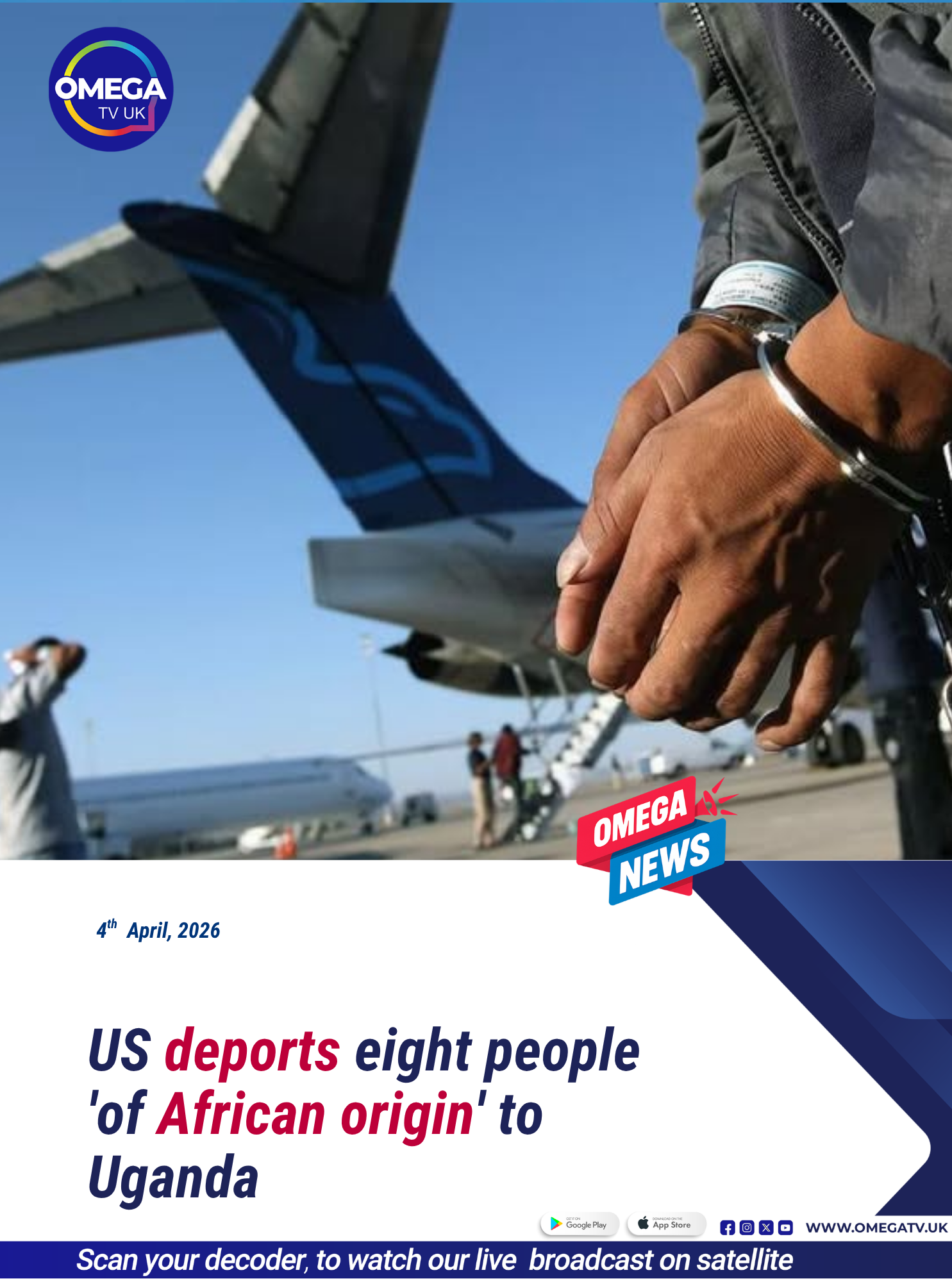
The United States has deported eight individuals described as being “of African origin” to Uganda, marking the first publicly known transfer under a migration agreement signed between the two countries last year.
According to Uganda’s foreign ministry, the group arrived on Wednesday after their cases were approved by a US judge. The arrangement designates Uganda as a “safe third country” for migrants who are unable or unwilling to return to their home nations, often due to fears of persecution or instability.
Officials in Uganda said the individuals are neither Ugandan nor American citizens but come from various African countries. While specific details about their identities were not disclosed, authorities emphasised that the country remains committed to offering refuge and ensuring humane treatment for those in need.
“Uganda continues to uphold its longstanding commitment to providing sanctuary to persons in need and assuring they are treated with dignity,” the foreign ministry said in a statement.
However, the move has drawn sharp criticism from the Uganda Law Society, which condemned the deportations as unlawful and inhumane. The group argued that the migrants were effectively “dumped” in Uganda through what it described as a degrading and poorly handled process.
The organisation has vowed to challenge the arrangement in court, raising legal concerns about whether such transfers comply with both domestic and international law. Critics say the policy could set a troubling precedent for how countries handle asylum seekers and migrants.
The US government has not provided detailed public comments on the specific deportations. However, under the administration of Donald Trump, immigration enforcement has been significantly intensified. Since returning to office, Trump has pursued a strict approach aimed at removing undocumented migrants, a central promise of his election campaign.
As part of this policy, the United States has increasingly relied on agreements with third countries to accept migrants who cannot be returned to their places of origin. Uganda is one of several African nations participating in such arrangements, alongside Ghana, South Sudan and Eswatini.
Reports from CBS News suggest that Uganda agreed to accept deportees under certain conditions, including that they do not have criminal records. However, US officials have previously indicated that some migrants transferred to third countries have been convicted of crimes, raising questions about how strictly these conditions are being enforced.
The broader policy has sparked debate internationally, with human rights advocates warning that sending migrants to countries where they have no direct ties could expose them to new risks. Others argue that such agreements help manage migration pressures and provide alternatives for individuals unable to return home safely.
For Uganda, the agreement aligns with its history of hosting refugees and displaced persons. The country has long been recognised for its relatively open policies toward asylum seekers, particularly those fleeing conflict in neighbouring regions.
Nevertheless, the latest deportations have reignited discussions about the limits of that role and whether Uganda should continue accepting migrants under such controversial arrangements.
As legal challenges loom and more details emerge, the situation is likely to remain a focal point in the ongoing global debate over migration, asylum policies and international responsibility-sharing.