New duties target major economies over forced labour concerns
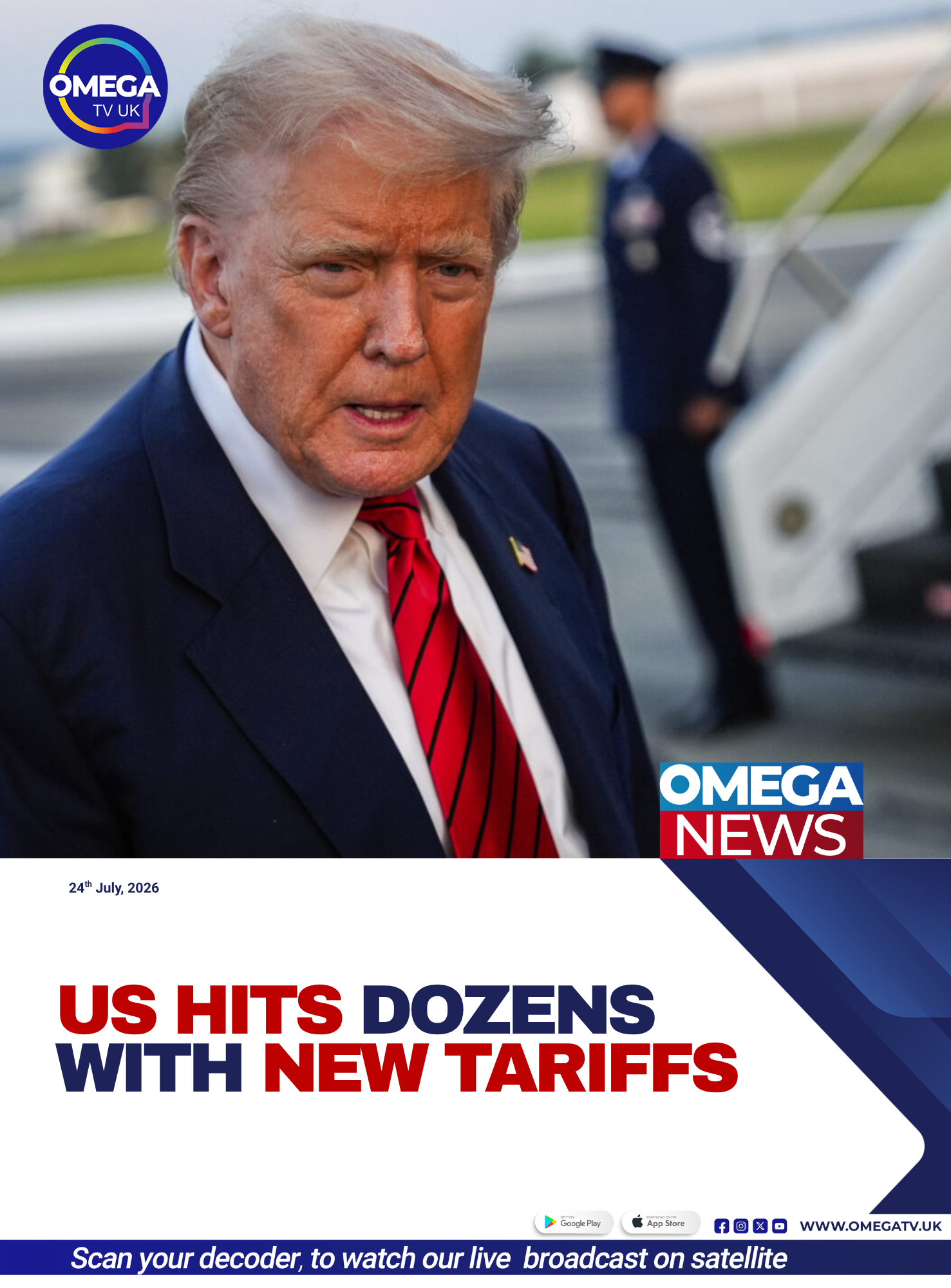
The United States has introduced a new wave of tariffs on imports from 60 trading partners, marking another major escalation in global trade tensions under President Donald Trump’s administration. The new duties, which range between 10% and 12.5%, affect countries responsible for the vast majority of goods entering the US, including the United Kingdom, China, the European Union, Canada, Japan and India.

The tariffs came into force after a temporary global import levy expired following a US Supreme Court ruling earlier this year that struck down several tariffs introduced under emergency powers. In response, the White House adopted a different legal pathway to reintroduce import duties, arguing that many trading partners have failed to adequately prevent goods produced through forced labour from entering global supply chains.
US Trade Representative Jamieson Greer said the measures are designed to combat what Washington describes as both a human rights issue and an unfair trade practice. Invoking Section 301 of the Trade Act of 1974, Greer said the tariffs aim to encourage stronger enforcement against forced labour while protecting American workers and businesses.
According to the Office of the US Trade Representative, countries that have committed to introducing and enforcing bans on imports made with forced labour will face a 10% tariff. Nations that have not made such commitments will be subject to the higher 12.5% rate. Officials say the tariffs cover the top 60 US trading partners, representing more than 99% of American imports.
Trade experts warn the new measures could increase costs for businesses and consumers worldwide, although exemptions for certain products may reduce the overall impact. Analysts also believe many affected countries will accelerate efforts to diversify their export markets and reduce dependence on the United States.
Several governments have already criticised the decision. Brazil described the tariffs as “unjustified” and “arbitrary”, promising reciprocal measures and stronger trade ties with other partners. Japan also expressed regret over the move, insisting its trade practices comply with international rules, while Australia called the duties completely unjustified and pledged to continue negotiations with Washington.
China has rejected accusations of forced labour, accusing the US of politicising the issue. However, international human rights organisations have repeatedly raised concerns over alleged forced labour involving ethnic minority groups in China’s Xinjiang region.
The latest tariffs are part of President Trump’s broader trade strategy, which relies heavily on import duties to protect American industries and pressure foreign governments on both economic and political issues. Since returning to office, Trump has expanded tariffs on several countries, including Canada and Brazil, while maintaining a tense trade relationship with China.
The administration is also investigating additional countries over claims of manufacturing overcapacity, raising the possibility of further tariffs in the coming months as global trade disputes continue to intensify.