US Launches Second Night of Strikes on Iran as Tehran Targets Bases in Kuwait, Bahrain and Qatar
The United States has carried out a second consecutive night of military strikes against Iran, dramatically escalating tensions in the Middle East and raising fears of a wider regional conflict.

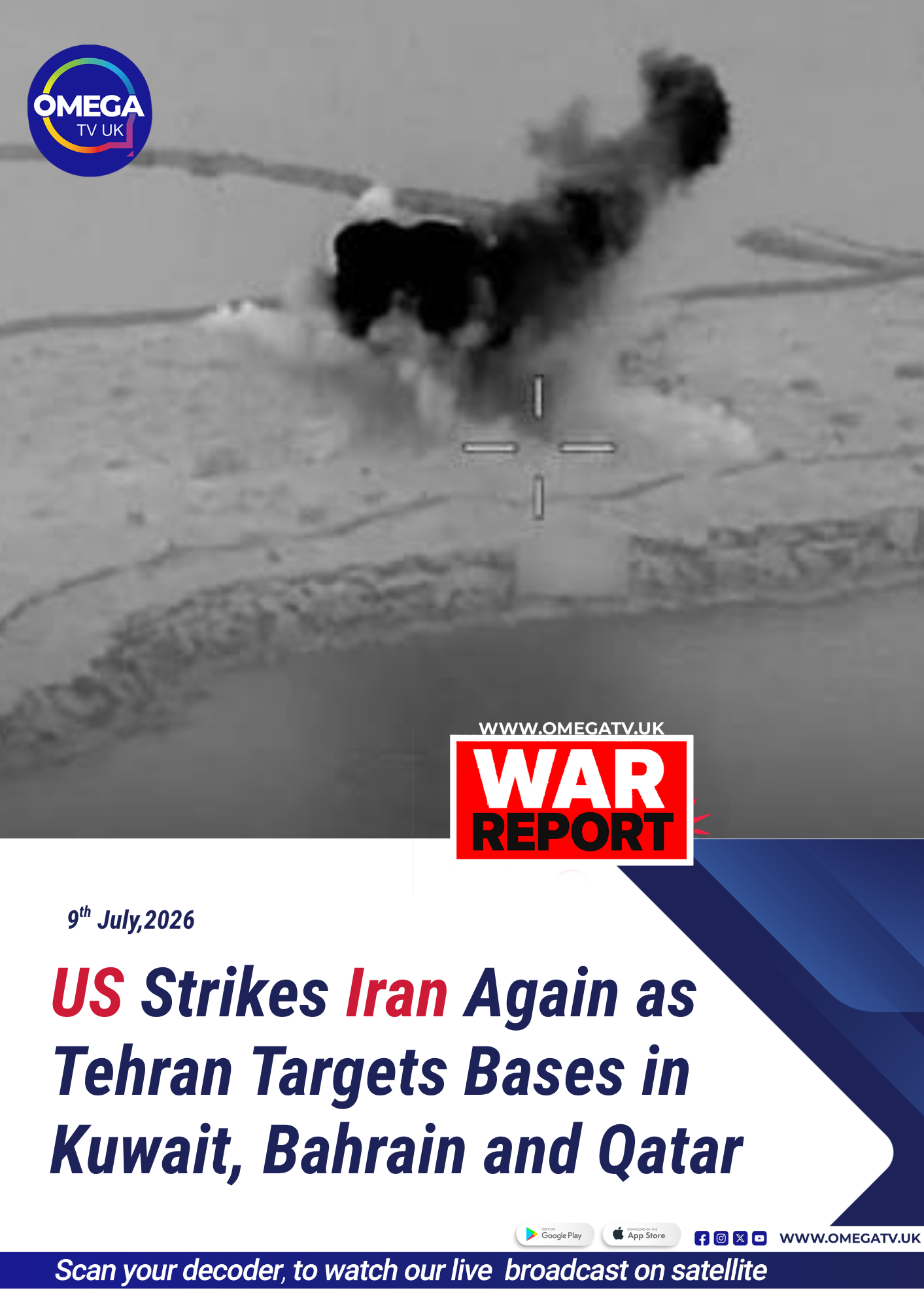
According to US officials, American forces struck around 90 targets across Iran during the latest operation. Iranian media reported explosions in several areas along the country’s southern coast and claimed that strikes also hit Iranian-controlled islands in the Gulf.
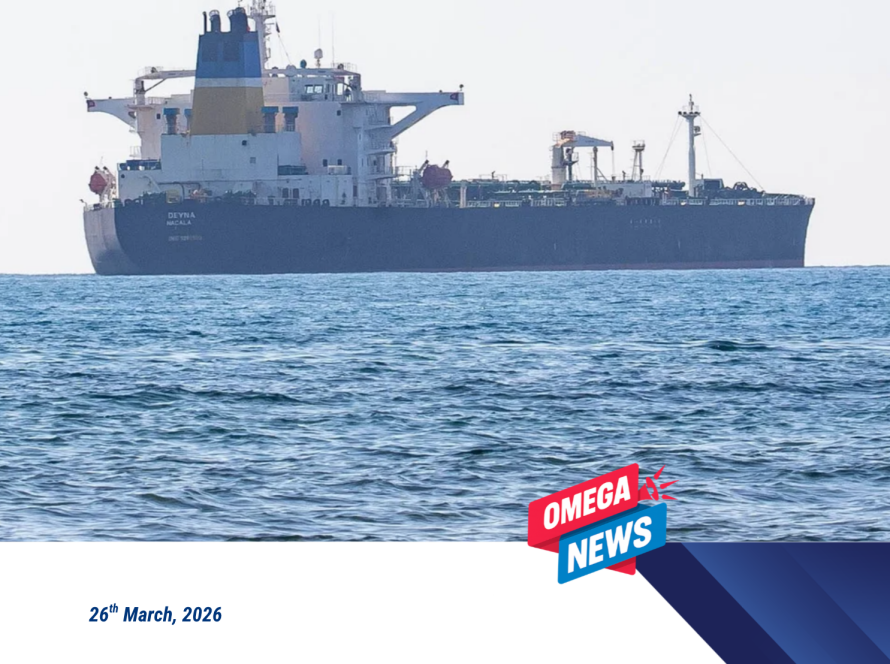
The renewed military action follows US strikes earlier this week, which Washington said were launched in response to attacks on three commercial vessels travelling through the strategically important Strait of Hormuz.
Iran Launches Retaliatory Attacks
Several Gulf nations later reported attacks attributed to Iran. Tehran confirmed that it had targeted American military bases in Qatar, Kuwait and Bahrain in retaliation for the US strikes.
Iranian officials described the attacks as a response to what they called American aggression and warned that further military action could follow if the United States continued its operations.
The latest exchange of strikes marks one of the most serious confrontations between Washington and Tehran in recent years.
Iran Accuses US of Bullying
Mohammad Bagher Ghalibaf, Iran’s chief negotiator with the United States, strongly criticised Washington’s actions.
“America still hasn’t learned that bullying and breaking promises are no longer cost-free,” he said.
His remarks signalled that Iran remains prepared to respond forcefully to further military action despite ongoing diplomatic tensions.
Trump Suggests Iran Wants Talks
US President Donald Trump indicated that Iran may still be interested in negotiations despite the escalating conflict.
“Iran wants to make a deal,” Trump said, before adding, “I don’t know if they’re worthy.”
The comments marked a notable shift in tone from less than 24 hours earlier, when the president reportedly dismissed further talks as “a waste of time.”
Diplomatic efforts between the two countries have repeatedly broken down amid accusations of bad faith and increasing military tensions.
Strait of Hormuz Remains a Flashpoint
The conflict has once again highlighted the strategic importance of the Strait of Hormuz, one of the world’s busiest energy corridors.
A significant share of global oil supplies passes through the waterway each day, and any disruption has the potential to affect international markets and global energy prices.
The US military has accused Iran of threatening commercial shipping and regional security, while Tehran insists it is acting in self-defence against foreign aggression.
Fears of Wider Regional Conflict
Security analysts warn that the latest exchanges could trigger a broader confrontation involving multiple countries across the Gulf region.
The involvement of Qatar, Kuwait and Bahrain has increased concerns that the conflict could spread beyond the direct confrontation between the United States and Iran.
International leaders are expected to intensify diplomatic efforts to prevent further escalation and encourage both sides to return to negotiations.
For now, however, the cycle of strikes and retaliatory attacks appears to be continuing, deepening fears of instability in one of the world’s most strategically important regions.