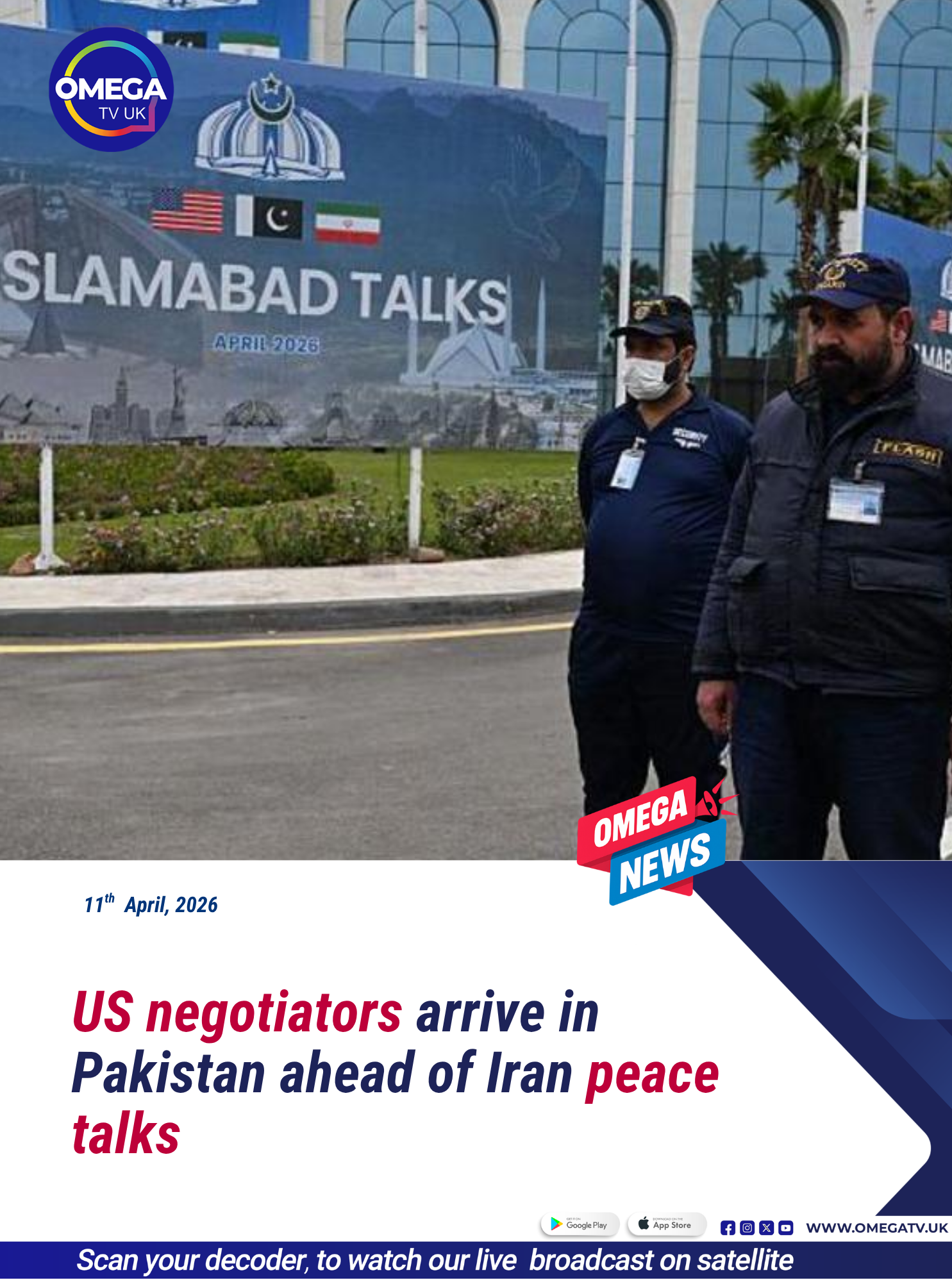
High-level delegations from the United States and Iran have arrived in Islamabad ahead of crucial peace talks that could determine the future of the fragile ceasefire between the two longtime adversaries.
Leading the American delegation is Vice President JD Vance, who touched down in the Pakistani capital and was welcomed by the country’s foreign minister in a show of diplomatic formality. His arrival came just hours after Iranian negotiators landed, setting the stage for what many analysts describe as one of the most consequential diplomatic engagements in recent years.
At the center of the talks is the ongoing effort to turn a temporary ceasefire into a lasting agreement following weeks of conflict involving the United States, Israel, and Iran. The outcome of these negotiations could have far-reaching implications for regional stability, global energy markets, and international relations.
A Defining Moment for Vance
For Vance, the assignment represents the most difficult test of his vice presidency so far. Tasked by Donald Trump to lead negotiations, he faces a complex diplomatic landscape with significant risks and limited room for error.
While success could bolster his reputation as a global statesman, failure could weaken his standing both domestically and internationally. Observers note that expectations are high, but the chances of a quick breakthrough remain uncertain.
Before departing Washington, Vance struck a cautious tone, warning that the United States would not tolerate bad-faith negotiations. “If the Iranians are willing to negotiate in good faith, we are certainly willing to extend an open hand,” he said, while adding that any attempt to “play” the US would be met with resistance.
Iran Signals Caution
On the Iranian side, the delegation is led by Mohammad Bagher Ghalibaf, who has indicated a willingness to engage but expressed deep skepticism toward Washington.
“Our negotiators come with good intentions,” Ghalibaf said. “But we do not trust the United States.”
This lack of trust underscores one of the central challenges of the talks. Decades of hostility, combined with the recent escalation of military action, have left both sides wary of each other’s motives.
Iran is expected to push for guarantees regarding sanctions relief and recognition of its sovereignty, while resisting demands that it completely abandon its nuclear and missile programs.
Key Issues on the Table
Several major sticking points are expected to dominate the discussions:
1. Nuclear Programme
The United States is likely to press for strict limits—or a complete halt—to Iran’s nuclear ambitions. Tehran, however, maintains that its nuclear activities are for peaceful purposes and has consistently rejected calls for full dismantlement.
2. Strait of Hormuz
Control and access to the Strait of Hormuz remain critical issues. The waterway is a vital artery for global oil shipments, and its disruption during the conflict has had a significant impact on energy prices worldwide.
3. Regional Conflicts
Another contentious question is whether the ceasefire extends beyond Iran to include conflicts involving its regional allies, particularly in Lebanon. Israel has indicated that its military operations there may continue, complicating efforts to achieve a comprehensive peace.
4. Sanctions and Economic Relief
Iran is expected to demand the lifting of economic sanctions as part of any agreement. For the US, this presents a political challenge, as easing sanctions could face opposition from allies and lawmakers.
Broader Diplomatic Context
The talks in Islamabad are part of a wider diplomatic effort to de-escalate tensions across the Middle East. Parallel negotiations are also taking place involving other regional actors.
Lebanese officials have confirmed that their representatives are scheduled to meet with an Israeli delegation in Washington DC, highlighting the interconnected nature of the various conflicts.
Diplomats say progress in one area could influence outcomes in others, but the complexity of these overlapping negotiations makes a comprehensive solution difficult to achieve.
Pakistan’s Role as Host
Pakistan’s decision to host the talks reflects its growing role as a diplomatic intermediary in regional affairs. Positioned strategically between the Middle East and South Asia, Islamabad offers a neutral ground for negotiations between adversaries.
By facilitating the talks, Pakistan aims to strengthen its international standing and demonstrate its capacity to contribute to global peace efforts.
A Fragile Opportunity
Despite the challenges, there is cautious optimism that the talks could yield progress. Both sides have signaled a willingness to engage, even if trust remains limited.
For the United States, the priority is to secure a deal that prevents further escalation and stabilizes the region. For Iran, the focus is on preserving its sovereignty while alleviating economic pressures.
However, the path to agreement is fraught with obstacles. Deep-seated mistrust, conflicting objectives, and domestic political considerations on both sides could derail negotiations at any moment.
Global Implications
The stakes extend far beyond the immediate region. A successful agreement could help stabilize global oil markets, ease geopolitical tensions, and create conditions for broader diplomatic engagement.
Conversely, a breakdown in talks could reignite conflict, disrupt trade routes, and deepen divisions between global powers.
All eyes are now on Islamabad, where the outcome of these negotiations could shape the trajectory of international relations for years to come.
Conclusion
As US and Iranian negotiators sit down for talks, the world watches with anticipation. The presence of JD Vance at the forefront of the US delegation underscores the importance of the mission and the risks involved.
With so much at stake, the coming days will test the limits of diplomacy. Whether these talks lead to lasting peace or renewed confrontation remains uncertain, but their significance cannot be overstated.