$27bn pipeline aims to connect African energy markets with Europe
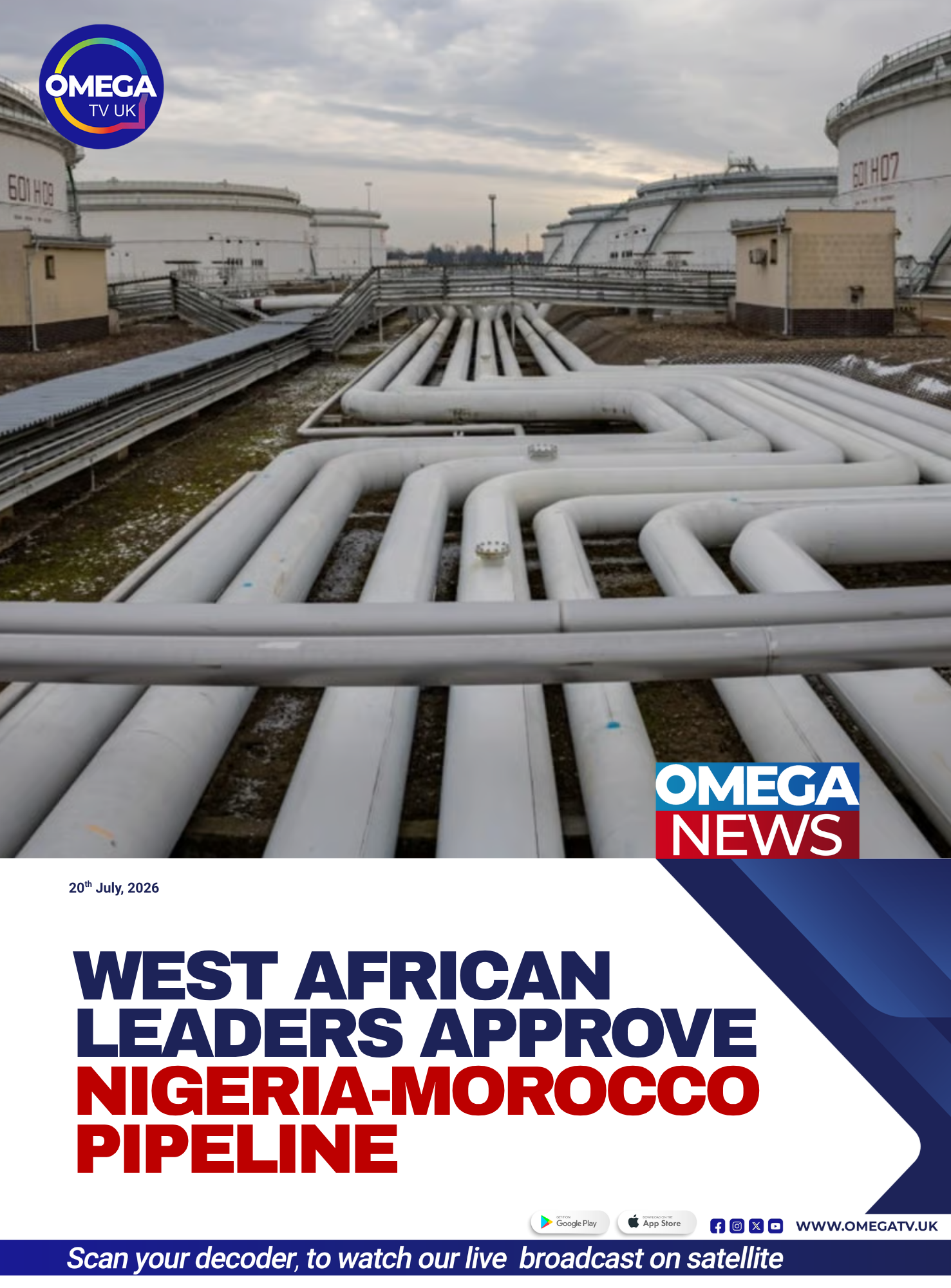
West African leaders have approved a major gas pipeline project linking Nigeria and Morocco in a move expected to transform energy cooperation across Africa and strengthen connections with European markets.

The agreement for the Nigeria-Morocco Gas Pipeline (NMGP) was signed on Sunday during the Economic Community of West African States (ECOWAS) summit in Freetown, Sierra Leone.
The ambitious project will stretch approximately 6,000 kilometres across 13 countries along Africa’s Atlantic coastline, transporting Nigerian natural gas through West Africa to Morocco before connecting with the Maghreb-Europe pipeline.
Speaking at the summit, ECOWAS chairman Julius Maada Bio confirmed the agreement, saying the project would bring significant opportunities for countries involved.
“We have already signed the West Africa-Morocco gas pipeline,” Bio said. “Don’t be surprised when the gas comes your way.”
Pipeline expected to boost African energy cooperation
The project is being developed by Morocco’s state hydrocarbons agency, the National Office of Hydrocarbons and Mines (ONHYM), and Nigeria’s state-owned energy company, the Nigerian National Petroleum Company (NNPC).
According to both organisations, the pipeline is designed to connect West Africa’s gas resources with regional and international markets while supporting economic growth.
The project aims to strengthen African energy integration by creating a new development corridor linking West Africa, the Sahel region, Morocco and Europe.
Officials believe the pipeline could help improve access to energy, encourage industrial development and create new investment opportunities across the continent.
Construction expected to begin in 2028
The next stages of the project include establishing a dedicated project company in Casablanca, Morocco, and creating a governing authority based in Abuja, Nigeria.
After these structures are completed, investors will be invited to participate before a final investment decision is made.
Construction is expected to begin in 2028, with the first gas deliveries targeted for 2031, according to an ONHYM source.
The pipeline is estimated to cost around $27 billion, making it one of Africa’s largest energy infrastructure projects.
Project revived amid regional energy changes
The Nigeria-Morocco Gas Pipeline was first proposed in 2016 during Moroccan King Mohammed VI’s visit to Nigeria.
The project gained renewed attention after Algeria stopped supplying gas to Spain through Morocco in 2022 following a diplomatic dispute between Algiers and Rabat.
The pipeline is seen as a strategic alternative that could increase Africa’s role in global energy supply while providing European countries with another source of natural gas.
Supporters say the project could also help strengthen relationships between African nations by encouraging cooperation on infrastructure and energy development.
A major step for Africa’s energy future
If completed, the Nigeria-Morocco Gas Pipeline will become one of the longest offshore and onshore gas pipeline networks in the world.
The initiative represents a major step towards deeper economic cooperation among African countries and could reshape the continent’s energy landscape.
West African leaders have described the project as a symbol of regional unity and a pathway towards greater energy security and economic development.