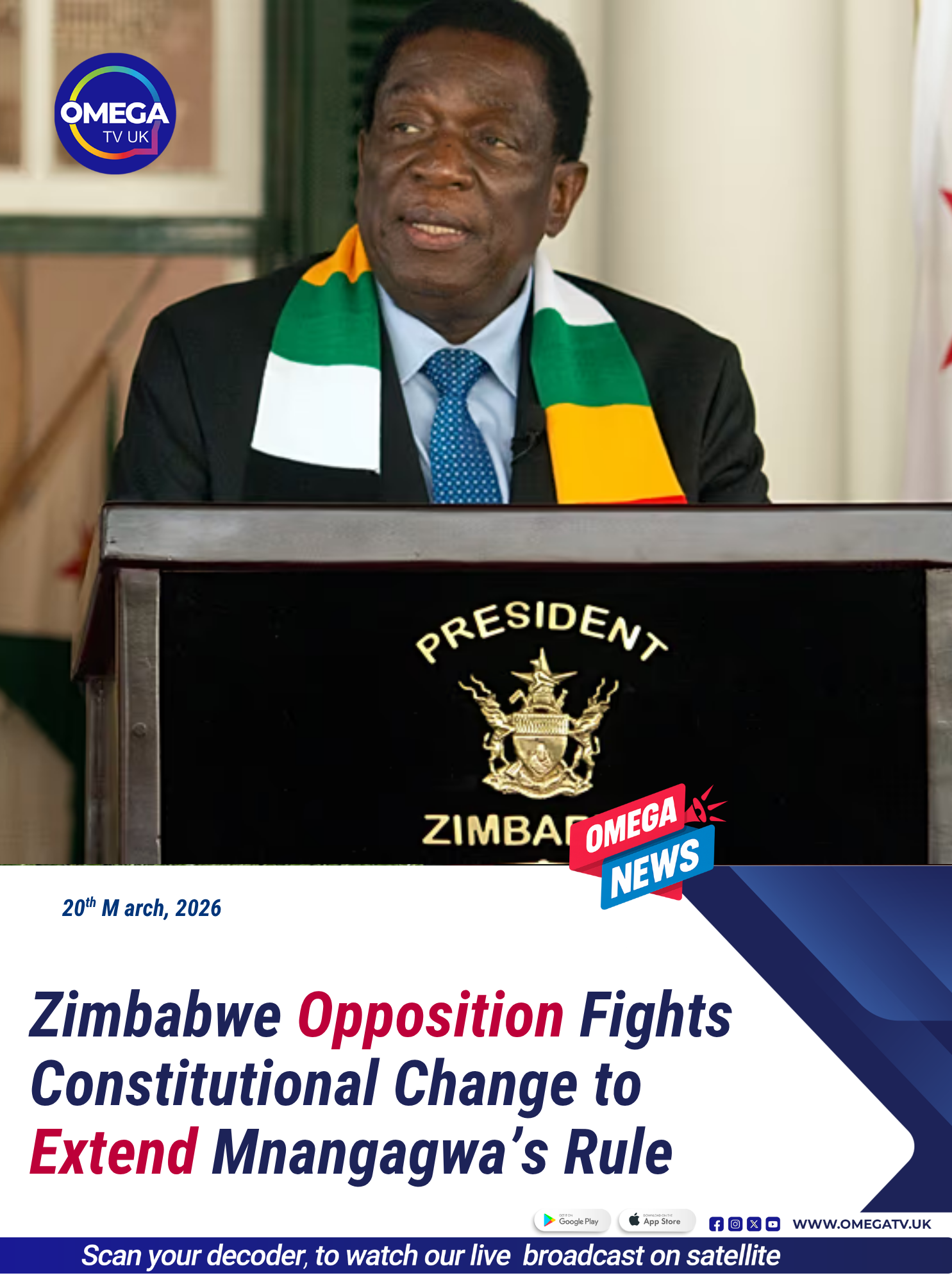
Opposition groups in Zimbabwe are intensifying their resistance against proposed constitutional changes that could extend the rule of President Emmerson Mnangagwa.
The controversial amendments would increase presidential terms from five to seven years and potentially replace direct elections with a parliamentary vote—changes critics say would allow Mnangagwa to remain in power beyond 2028.
Leading voices in the opposition, including Lovemore Madhuku, say they have faced intimidation and violence while campaigning against the reforms. Madhuku was recently assaulted, an attack he attributes to state-linked agents—an allegation denied by police.
Human rights groups such as Human Rights Watch warn of a growing crackdown, with reports of surveillance, threats, and harassment targeting critics. Opposition lawmaker Jameson Timba said he and colleagues have been monitored, with threatening symbols painted on their homes ahead of planned meetings.
Critics argue the changes would further entrench the ruling ZANU-PF, which has governed since independence in 1980. Analysts say the reforms are driven by political and economic interests tied to maintaining power.
Despite the risks, opposition leaders insist they will continue to resist, citing constitutional rights to protest and defend democratic principles. With parliament dominated by the ruling party, the amendments are widely expected to pass—raising concerns about the future of democracy in Zimbabwe.