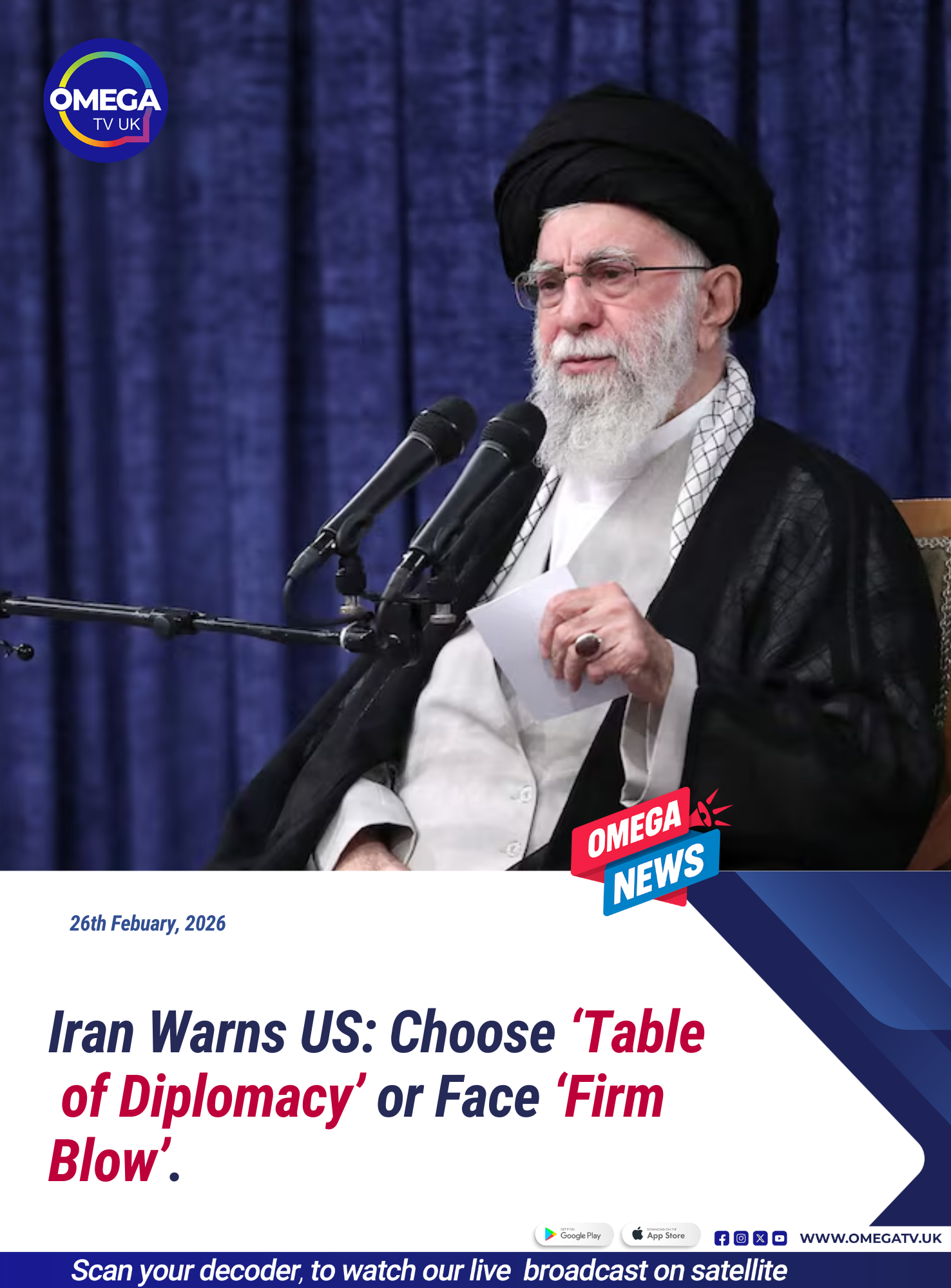
Tensions between Iran and the United States have escalated after Iranian leaders warned Washington to return to the “table of diplomacy” or face what they described as a “firm blow.”

The warning comes amid renewed negotiations over Iran’s nuclear programme and growing military activity in the region. Iranian officials said the United States must choose dialogue based on mutual respect rather than pressure tactics, adding that any military confrontation would be met with a decisive response.
The remarks were delivered ahead of anticipated diplomatic engagements aimed at easing tensions that have persisted since the U.S. withdrew from the 2015 nuclear agreement. Tehran has repeatedly accused Washington of pursuing a strategy of sanctions and intimidation, while U.S. officials argue that Iran must curb its nuclear ambitions and regional activities.
Iranian lawmakers stressed that diplomacy remains their preferred option but insisted that their country would not negotiate under threats. They warned that further escalation could destabilize the broader Middle East, where tensions are already high due to ongoing conflicts and shifting alliances.
The United States has not directly responded to the latest comments but has maintained that it seeks a diplomatic resolution. American officials continue to emphasize that preventing Iran from developing nuclear weapons remains a top priority. Washington has also reinforced its military presence in parts of the region, a move that Tehran views as provocative.
Analysts say the current standoff reflects a familiar pattern in U.S.–Iran relations, where periods of negotiation are often accompanied by sharp rhetoric and strategic posturing. Both sides appear to be balancing domestic political considerations with international diplomatic efforts.
The global community is watching closely, as any breakdown in talks could have far-reaching consequences. Increased tensions could impact oil markets, regional security, and broader geopolitical stability. At the same time, a successful diplomatic breakthrough could ease sanctions, stabilize markets and reduce the risk of direct confrontation.