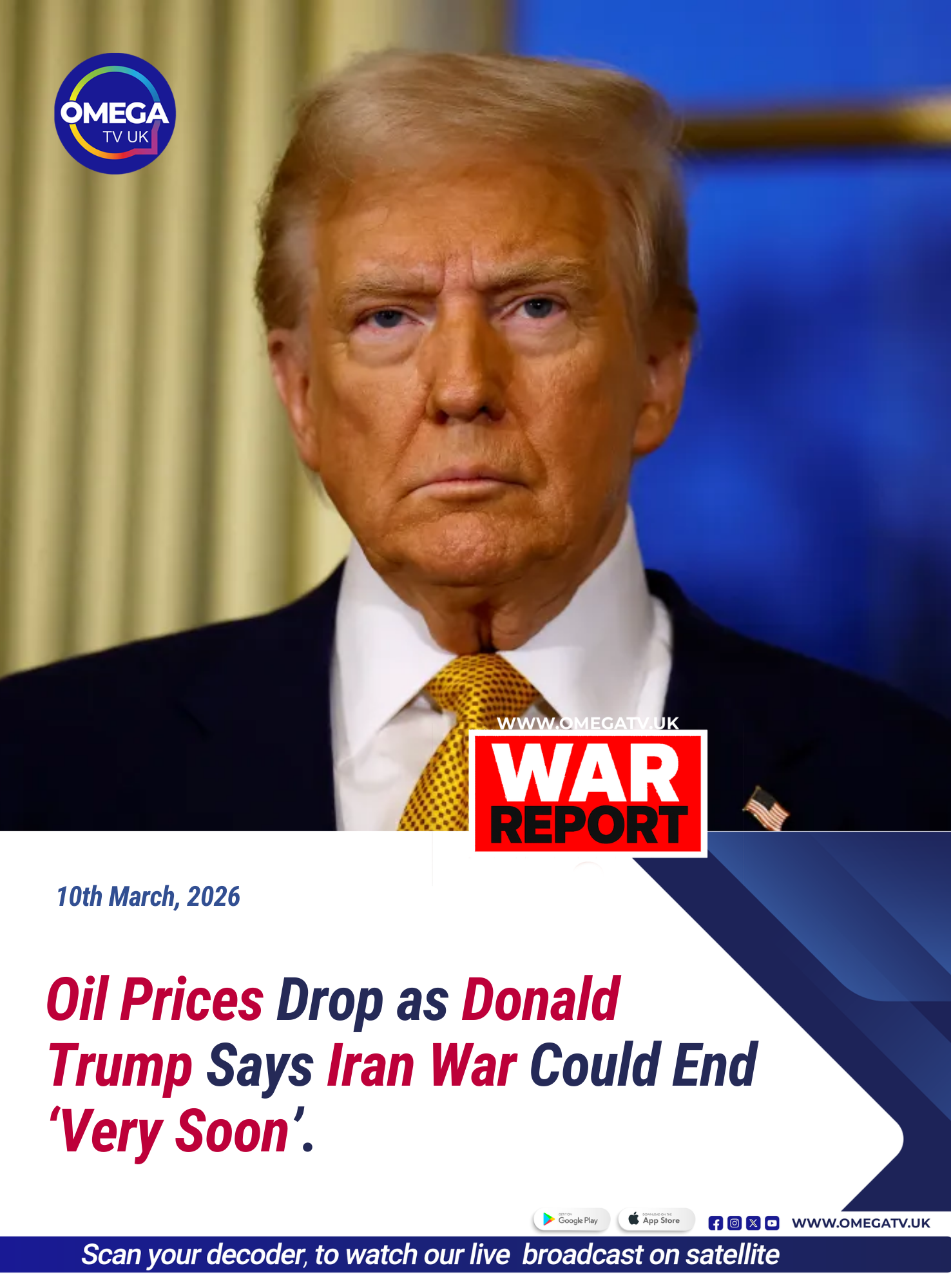
Global oil prices fell after Donald Trump suggested that the ongoing conflict involving Iran could come to an end “very soon,” easing fears of prolonged disruption to global energy supplies.

Oil markets had been volatile amid concerns that escalating tensions in the Middle East could threaten major shipping routes and reduce crude exports from one of the world’s most important oil-producing regions. However, Trump’s remarks raised hopes among investors that the situation could de-escalate sooner than expected.
Speaking about the conflict, Trump said the war might conclude in the near future, though he added that “we haven’t won enough,” suggesting that the situation remains complex and unpredictable. His comments triggered a quick reaction in global energy markets, with traders reassessing the risk of long-term supply disruptions.
Oil prices often react strongly to geopolitical developments in the Middle East because the region plays a crucial role in global energy production. Any threat to supply routes, oil facilities, or exports from countries in the region can quickly push prices higher. Conversely, signs that tensions may ease tend to calm markets and lower prices.
Analysts say investors are closely watching diplomatic and military developments involving Iran and the United States, as the outcome could influence global energy stability in the coming months.
While Trump’s remarks provided temporary relief to the markets, experts caution that uncertainty remains. Conflicts in the Middle East can shift rapidly, and any escalation could again push oil prices upward, affecting transportation costs, inflation and global economic growth.
For now, the possibility of a near-term end to hostilities has brought a measure of optimism to energy markets. Traders and policymakers alike continue to monitor developments closely, knowing that geopolitical tensions in the region can have immediate consequences for oil supply and the broader global economy.