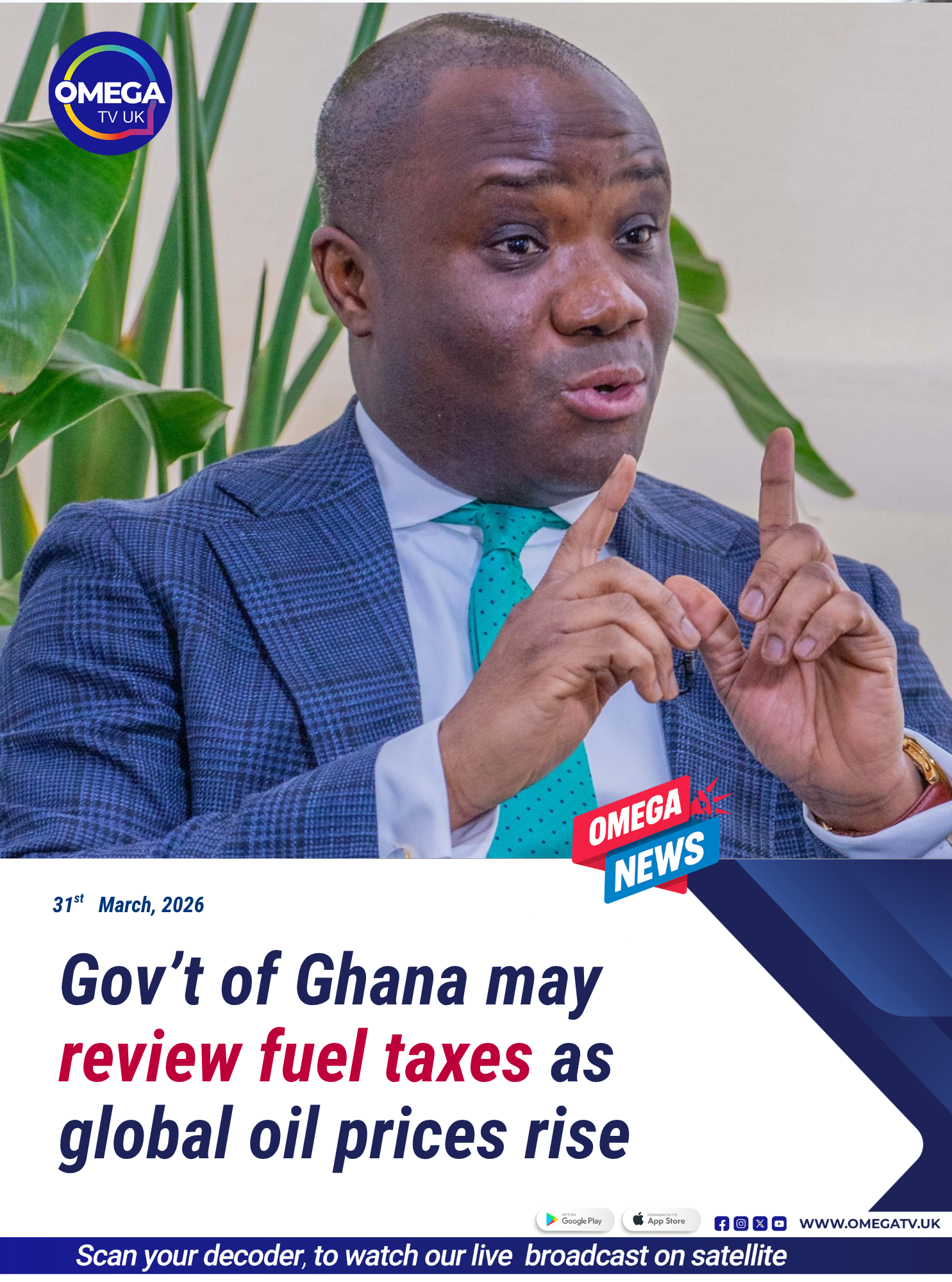
Government of Ghana Spokesperson Felix Kwakye Ofosu has indicated that authorities may review fuel taxes and levies if rising global oil prices begin to place significant pressure on consumers.

Speaking on the issue, Kwakye Ofosu explained that fuel pricing in Ghana is driven by three main factors: international crude oil prices, domestic taxes and levies, and the exchange rate. While global market prices remain beyond government control, he noted that adjustments can be made to local tax components to ease the burden on citizens.
He clarified that any intervention would depend on external developments, particularly geopolitical tensions such as conflicts in the Middle East that could trigger sustained increases in oil prices.
“If the world market price rises to a point where it imposes too much of a burden, government will have to keep the other components flexible to cushion the effect,” he said.
Kwakye Ofosu stressed that a review of fuel taxes is not automatic and would only be considered if global conditions significantly worsen. His remarks come amid growing concerns that escalating tensions could disrupt supply chains and push crude oil prices higher, affecting import-dependent economies like Ghana.
Fuel prices are already expected to rise sharply from April 1, 2026, with petrol and diesel projected to increase at the pumps.
He added that any final decision would aim to balance consumer relief with government revenue needs, noting that all options remain under consideration.