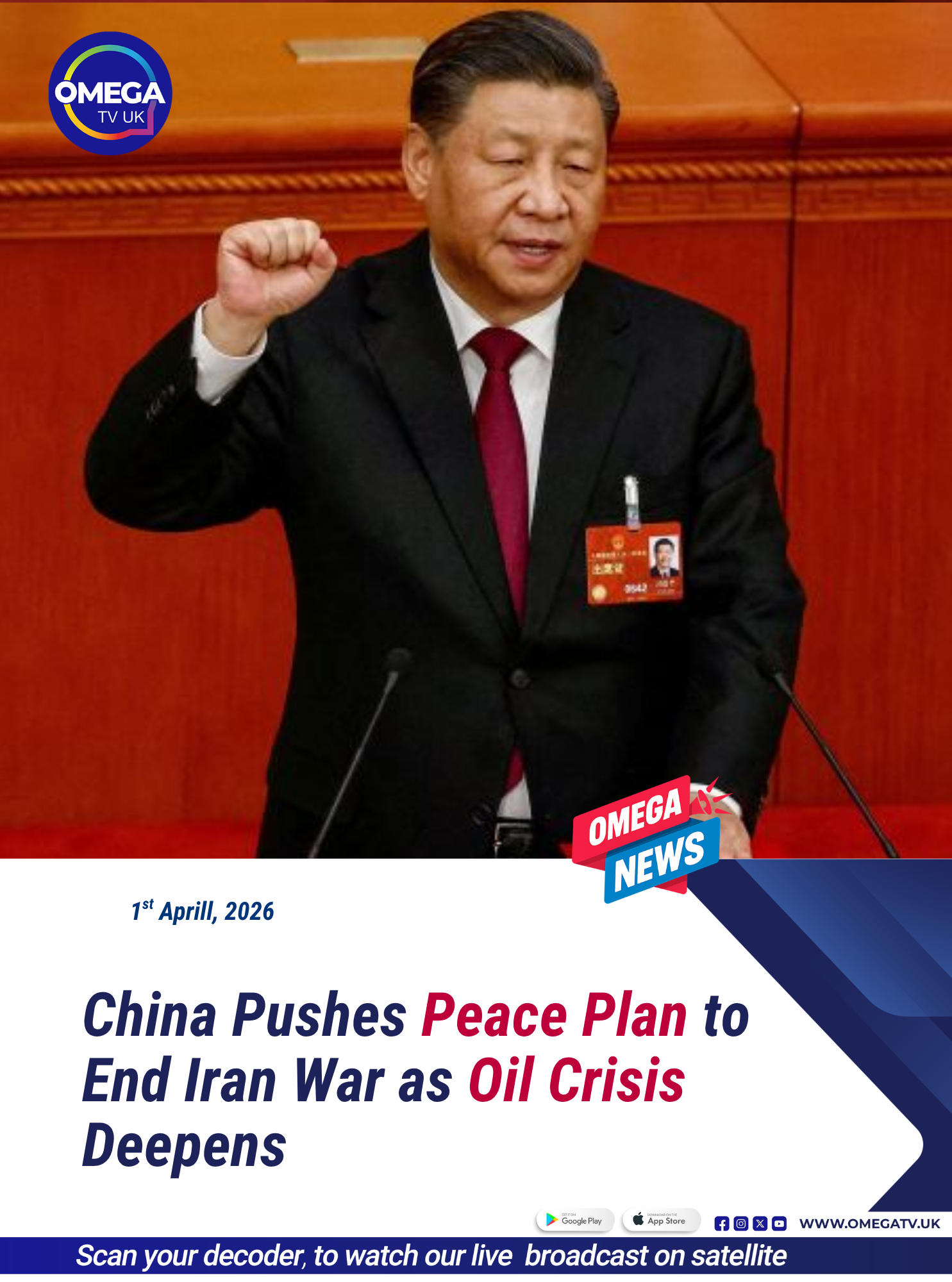
China is attempting to position itself as a peacemaker in the ongoing Iran war, as the conflict enters its second month and continues to disrupt global energy supplies and push oil prices higher.

Beijing is working alongside Pakistan to promote a five-point plan aimed at securing a ceasefire and reopening the Strait of Hormuz, a vital artery for the world’s oil trade. The initiative comes as Donald Trump suggests US military action could bring the conflict to an end within weeks, though details remain unclear.
China’s involvement reflects growing concern over the economic impact of the war. As the world’s largest importer of crude oil, Beijing is highly exposed to energy shocks that could disrupt its manufacturing sector and global trade, particularly as it seeks to stabilise its domestic economy.
The Middle East has also become an increasingly important market for China, with strong trade ties spanning countries such as Saudi Arabia and Iran. China is a major buyer of Iranian oil and has invested heavily across the region, deepening its economic influence.
This is not the first time China has tried to play a diplomatic role in the region. In 2023, it brokered a deal between Saudi Arabia and Iran to restore diplomatic relations, highlighting its ambition to act as a global mediator. However, its approach remains cautious, prioritising economic stability over direct military involvement.
Despite its growing influence, China faces limitations. Unlike the United States, it lacks a strong military presence in the region, which could restrict its ability to enforce or sustain any peace agreement.
While the proposed plan has yet to receive responses from key players, China’s move signals its intent to expand its diplomatic role and present itself as a counterbalance to US influence on the global stage.