US blockade of Iranian ports begins as Trump claims Tehran wants deal

The United States has officially begun its naval blockade of Iranian ports, marking a major escalation in tensions in the Middle East as diplomatic efforts between the two sides continue to falter.
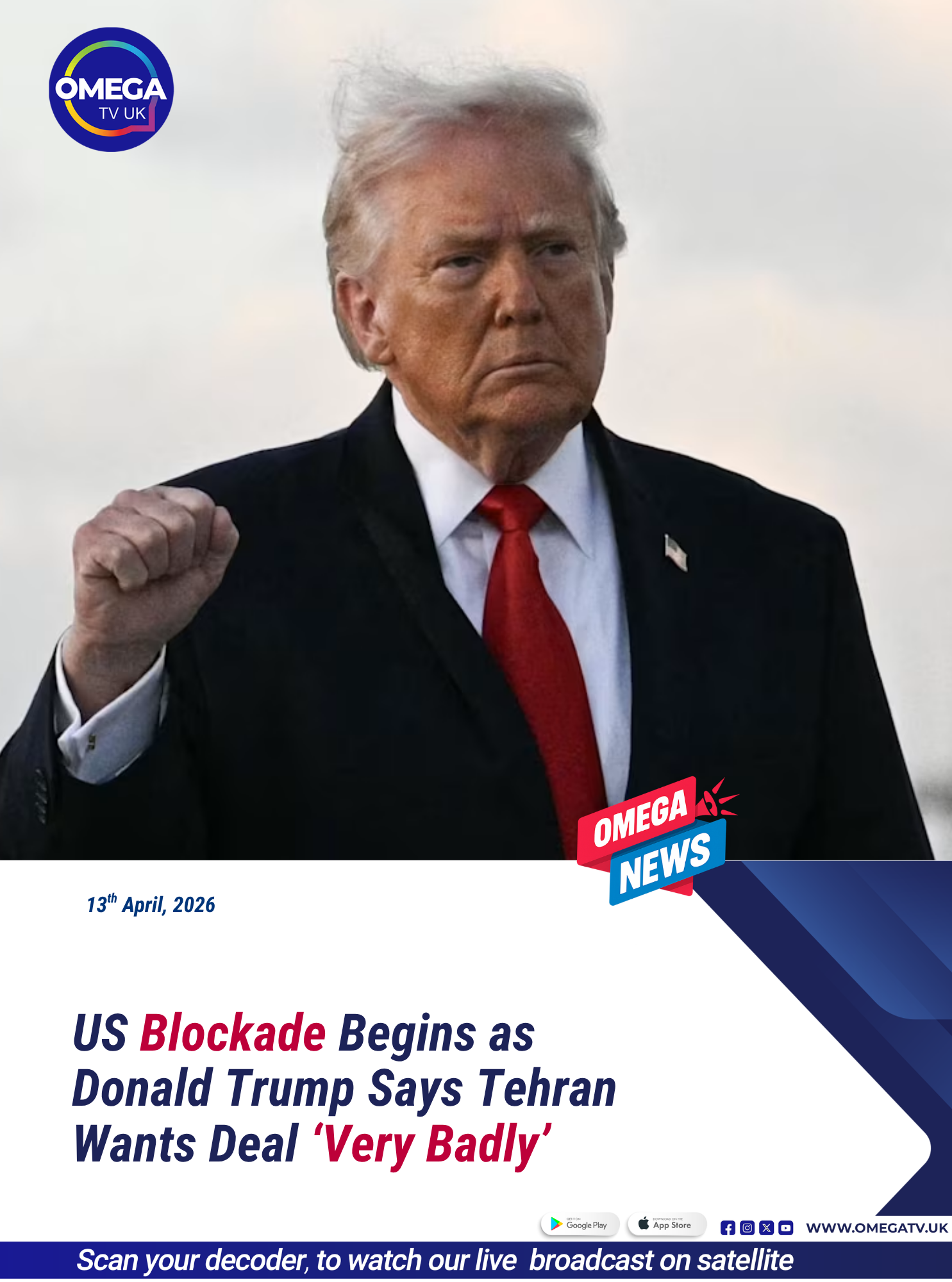
Donald Trump confirmed that the blockade took effect at 10:00 ET, stating from the White House that Iran is now eager to reach an agreement. “They want a deal very badly,” Trump said, adding that he had been contacted earlier in the day by individuals he described as “the appropriate people” seeking negotiations.
Despite these claims, Iranian officials have not publicly responded to Trump’s latest remarks. Earlier, Mohammad Bagher Ghalibaf insisted that Iran would not “surrender under threats,” highlighting the ongoing standoff between the two nations.
Trump also issued a stern warning via social media, saying any Iranian “fast attack ships” attempting to approach the blockade would be “immediately eliminated,” raising concerns about potential military confrontation in the region.
The blockade has heightened anxiety across global shipping routes, particularly around the Strait of Hormuz, a key passage for international oil supplies. The UK Maritime Trade Operations has issued an advisory warning vessels in the area to expect increased military presence and possible “right-of-visit” procedures during transit.
The developments come after weekend peace talks between the US and Iran ended without a breakthrough. Trump blamed the failure on Iran’s refusal to abandon its nuclear ambitions, while Iranian officials accused Washington of constantly shifting its demands during negotiations.
Meanwhile, Pope Leo XIV has responded to criticism from Trump, stating that he has “no intention to debate” the war with the US president. Trump had earlier described the pontiff as “terrible for foreign policy,” following the Pope’s calls for peace.
As tensions rise, the risk of further escalation remains high, with the blockade potentially triggering wider military, economic, and diplomatic consequences across the region.