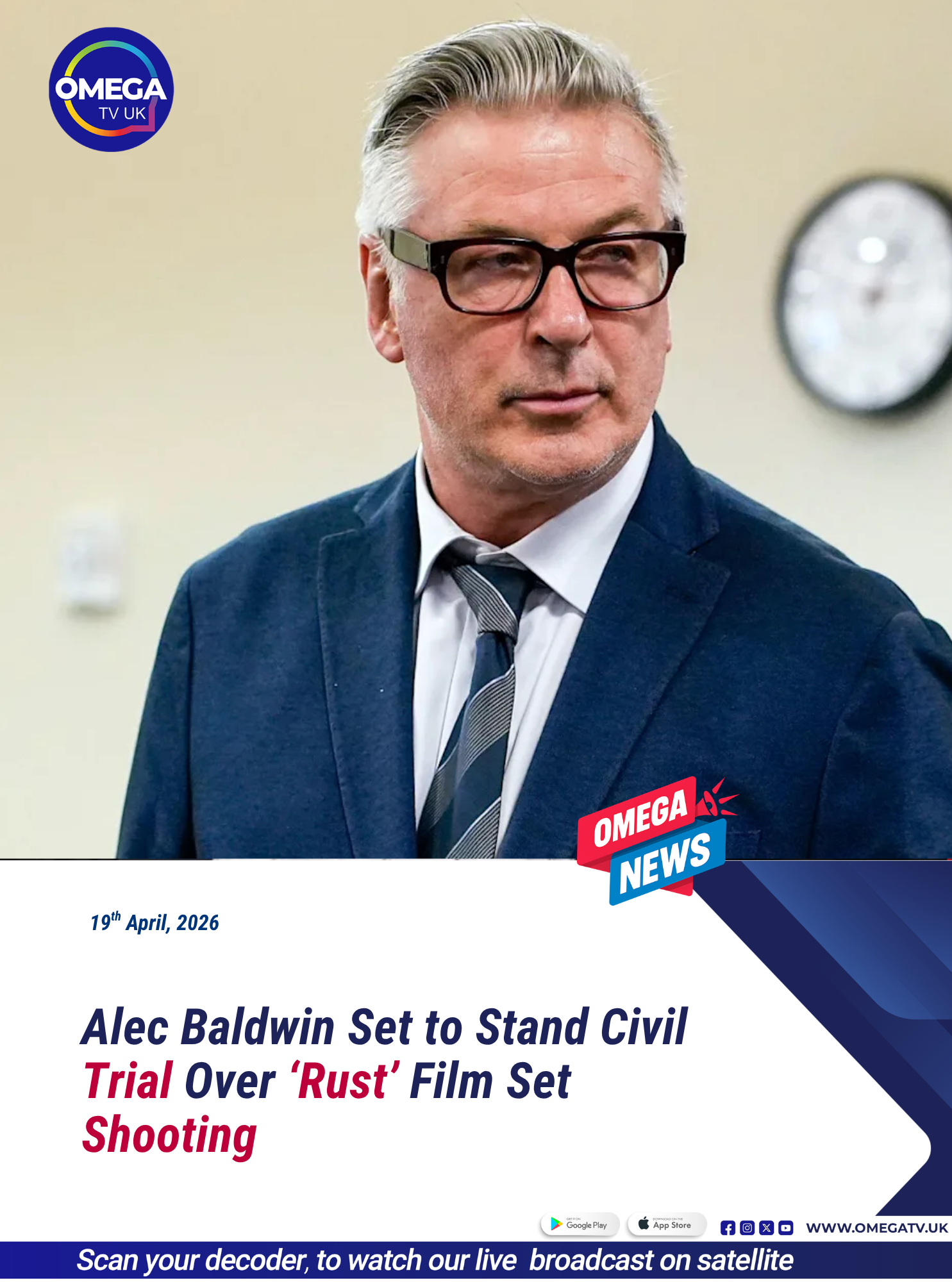
Hollywood actor Alec Baldwin is set to face a civil trial over the fatal 2021 shooting on the set of the film Rust, after a judge ruled that a lawsuit against him can proceed in court.

The case stems from a tragic incident during a rehearsal in New Mexico, when a prop gun held by Baldwin discharged a live round. The shooting resulted in the death of cinematographer Halyna Hutchins and left director Joel Souza injured. The incident sent shockwaves through the film industry and raised serious concerns about on-set safety practices.
The lawsuit was filed by Serge Svetnoy, a lighting technician who was working on the production at the time. Svetnoy claims that Baldwin acted negligently in the moments leading up to the shooting and that safety protocols were not properly followed. He also alleges that a bullet narrowly missed him during the incident, placing his own life at risk.
According to court documents, Svetnoy is seeking damages for negligence and intentional infliction of emotional distress. However, a claim of assault included in the lawsuit was dismissed by Maurice Leiter, a judge at the Los Angeles Superior Court, who ruled there was insufficient basis for that specific allegation.
Baldwin has consistently denied responsibility for the shooting, maintaining that he did not pull the trigger of the weapon. His legal team has argued that he was relying on professionals responsible for ensuring the firearm was safe to use on set. The actor has also pointed to broader systemic failures within the production as contributing factors.
The ruling to allow the civil case to proceed comes after a separate criminal case against Baldwin was dismissed in 2024. In that case, a New Mexico judge determined that key evidence had been withheld from the defence by police and prosecutors. The undisclosed evidence reportedly included a batch of bullets that could have been relevant to the investigation.
The dismissal of the criminal charges was made with prejudice, meaning the case cannot be reopened once all appeals are exhausted. Baldwin’s legal team had argued that the failure to disclose the evidence undermined the fairness of the trial process.
Despite the end of the criminal proceedings, the civil lawsuit represents a new legal challenge for the actor. If the case is not settled out of court, a trial has been provisionally scheduled for 12 October. The outcome could have significant implications not only for Baldwin but also for industry standards around safety and accountability.
The Rust production has already faced multiple legal battles in the aftermath of the shooting. Baldwin and the film’s producers previously reached a settlement with the family of Halyna Hutchins, though the terms of that agreement were not publicly disclosed. The settlement allowed the film’s production to eventually resume, albeit under heightened scrutiny.
The incident has prompted widespread debate within the entertainment industry about the use of firearms on film sets. Calls for stricter regulations, or even a complete ban on real weapons during filming, have grown louder in the years since the tragedy.
Svetnoy’s lawsuit adds another layer to the ongoing legal and ethical questions surrounding the case. His claims highlight not only the immediate dangers faced by those on set but also the lasting emotional impact of the घटना on crew members who witnessed it.
As the civil trial approaches, attention will once again turn to the circumstances that led to one of the most high-profile on-set tragedies in recent memory. The case is expected to revisit key questions about responsibility, safety protocols, and the role of actors in handling potentially dangerous props.
For Baldwin, the trial represents another chapter in a legal saga that has already spanned several years. For the industry, it serves as a continued reminder of the importance of safety and accountability in filmmaking.